




The Danger of Lunar Dust
The Moon’s surface is covered in a material called regolith, a blanket of fine dust and sharp, rocky fragments. Unlike sand on Earth, which is worn smooth by wind and water, lunar dust is as sharp as microscopic glass. During the Apollo missions, this
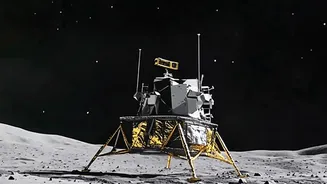
abrasive dust caused significant problems, wearing down spacesuit boots, jamming equipment, and causing vacuum seals to fail. When a powerful rocket engine fires to land, it kicks up this regolith at incredible speeds, creating a sandblasting effect that can damage the lander itself or any nearby structures critical for a future lunar outpost. Astronauts also reported symptoms like sneezing and nasal congestion, a sort of 'lunar hay fever', after inhaling the fine particles that clung to their suits.
A Robotic Construction Crew
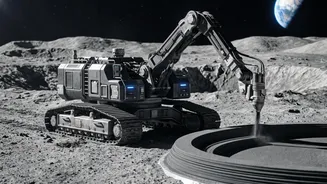
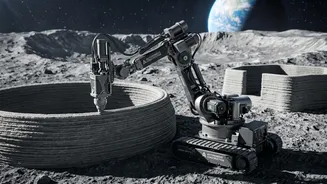
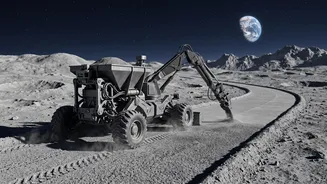
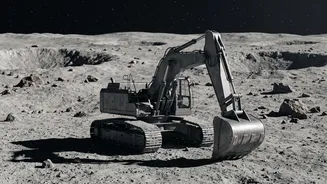
To ensure the safety and sustainability of the Artemis program, NASA and its commercial partners are planning to send a construction crew ahead of the astronauts: a team of autonomous robots. The concept is simple but revolutionary: deploy machines that can prepare a safe and stable landing zone, mitigating the hazardous dust plumes. These robotic systems could level the ground, build protective berms, or, most promisingly, construct durable landing pads using the very material that poses the threat. This approach is a core part of establishing a long-term presence on the Moon, shifting the paradigm from brief visits to sustainable habitation.
Building with Stardust and Sunlight
The leading strategy for this lunar construction is a form of 3D printing, or additive manufacturing. Companies like ICON, a Texas-based construction technology firm, are pioneering methods to turn lunar regolith into a viable building material. Under a multi-million dollar NASA contract for its 'Project Olympus', ICON is developing systems that can use heat from lasers or microwaves to melt, or 'sinter', the lunar soil, fusing the sharp particles together layer-by-layer to form a solid, ceramic-like surface. This process, known as in-situ resource utilization (ISRU), is a game-changer because it means infrastructure can be built without having to launch heavy materials from Earth, dramatically reducing cost and complexity.
The Pioneers of Lunar Paving
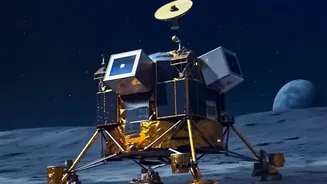
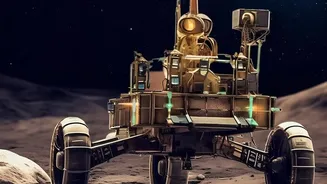
This ambitious effort is being driven by a partnership between government and the private sector. NASA's Moon to Mars Planetary Autonomous Construction Technologies (MMPACT) project is funding much of this research. ICON has already tested prototypes, including the 'Lunar PAD', a specially designed launch and landing pad with channels to safely redirect rocket exhaust. Other key players in NASA's Commercial Lunar Payload Services (CLPS) initiative, such as Astrobotic and Intuitive Machines, are also developing robotic landers and systems that are foundational to deploying this kind of technology. These companies are creating what amounts to a commercial pipeline to the lunar surface, capable of delivering the robotic builders where they need to go.
The Artemis Generation's Foundation
Ultimately, these robotic pioneers won't just be building landing pads. The same technology can be used to construct habitats, roads, and protective shelters from radiation. By 'living off the land', future lunar bases can become far more robust and self-sufficient. Building a solid, dust-free landing zone is the crucial first step. It ensures that with every subsequent mission, the risk of damage from high-velocity dust is eliminated, protecting vital equipment and the astronauts themselves. This paves the way for the Artemis program to establish the first permanent human outpost on another world.