





From Farm Fields to Wall Panels
The hum of city life and the challenge of keeping apartments cool in summer and warm in winter has made insulation a modern necessity. For decades, the go-to material has been polyurethane foam—a petroleum-based product effective at blocking noise and heat.
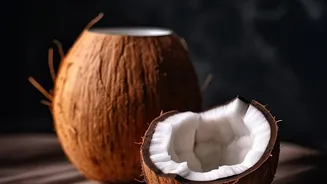
However, its environmental footprint is significant. Enter a surprisingly simple yet innovative alternative: compressed agricultural waste. Materials once considered useless byproducts, such as rice husks, wheat straw, sugarcane bagasse, and even coconut fibres, are now being repurposed. These materials are abundant, annually renewable, and in many regions, are often burned, contributing to air pollution. By collecting and processing this waste, innovators are creating building materials that tackle environmental problems at both ends of their life cycle.
The Science of Compression
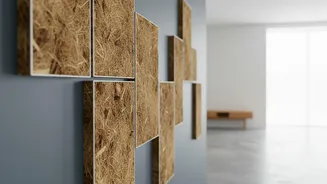
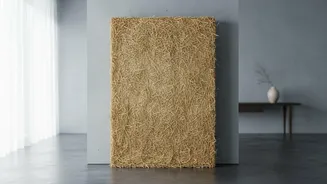
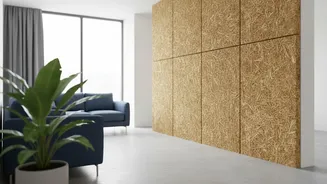
Turning loose straw or husks into a solid insulation panel is a straightforward but precise process. First, the raw agricultural material is cleaned, dried, and often shredded or milled into finer particles. This processed fibre is then mixed with a binder. While some processes use conventional resins, the trend is toward natural and environmentally friendly binders like starch, lignin (a polymer found in wood), or even mycelium—the root structure of fungi. The mixture is then poured into a mould and subjected to immense pressure and heat. This compression fuses the fibres and binder together, creating dense, rigid boards that can be cut to size for use in walls, ceilings, and floors, much like their plastic counterparts.
Putting Performance to the Test
But can a panel made of straw really compete with a high-tech plastic foam? In many key areas, the answer is a resounding yes. For thermal insulation, these bio-based panels have shown excellent performance, with some studies indicating they can offer double the insulation required by certain building standards. Their dense, fibrous structure is also naturally effective at dampening sound, a major benefit for apartment dwellers. Fire resistance is another surprising strength; the high silica content in materials like rice husks and straw makes them naturally resistant to burning. Furthermore, unlike closed-cell plastic foams, many agricultural waste panels are breathable, allowing moisture to escape rather than trapping it, which helps prevent mould and improves indoor air quality.
More Than Just an Eco-Friendly Choice
The benefits of using agricultural waste extend far beyond a single building. On a national scale, it creates a new value chain for agricultural byproducts, providing an additional source of income for farmers and reducing the harmful practice of stubble burning. Environmentally, these panels act as a form of carbon sequestration; the carbon absorbed by the plants during their growth is locked into the building's structure for decades. Economically, while production is still scaling, the raw materials are inexpensive and widely available, offering the potential for cost-competitive construction. The use of these materials supports a circular economy, turning a massive waste stream into a valuable resource and reducing reliance on fossil fuels.
Challenges on the Road to Mainstream Adoption
Despite the clear advantages, agricultural waste insulation isn't in every hardware store just yet. One of the primary hurdles is scaling up production to meet the demands of a massive construction industry. Ensuring consistent quality when the raw material can vary by region and harvest is another challenge. Additionally, building codes and regulations often favour traditional, well-established materials, and gaining the necessary certifications for new products can be a slow process. Builders and architects also need to be educated on the properties and installation methods of these new materials to drive wider adoption. However, as the demand for sustainable construction grows, so does the investment and innovation in this promising sector.