








Beyond Flags and Footprints
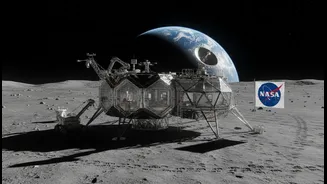
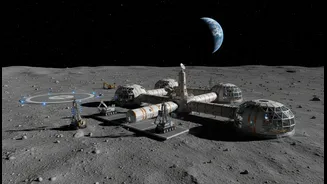
For the first time since the Apollo missions, humanity is planning a permanent return to the lunar surface. NASA's Artemis program aims to establish a long-term human presence on the Moon, starting with the Artemis Base Camp near the resource-rich South
Pole. This isn't just about planting a flag; it's about building a sustainable outpost for science and exploration. The plan involves a phased approach, beginning with robotic missions to scout the area, followed by crewed landings and the gradual construction of habitats, power systems, and rovers. The ultimate goal is to create a hub for groundbreaking scientific research and a crucial stepping stone for future human missions to Mars.
India's Seat at the Lunar Table
This new lunar era is not a solo endeavor. It's built on international collaboration, and India has secured a key position. In 2023, India became the 27th signatory of the Artemis Accords, a set of principles guiding cooperation in civil space exploration. This strategic move marks a shift from India’s traditionally independent space program to one of global engagement. By signing, India ensures its space technologies and missions are interoperable with global standards, avoiding isolation and opening doors for deeper collaboration with NASA and other leading space agencies. This positions the Indian Space Research Organisation (ISRO) to be a significant partner, contributing to and benefiting from the shared goals of lunar exploration.
A New Frontier for Indian Science
The Artemis Base Camp will be a hotbed of scientific activity, and Indian researchers are poised to contribute. The key science goals include understanding planetary processes, studying the lunar water ice cycle, and interpreting the Moon's long history. This aligns perfectly with the expertise developed through ISRO’s own Chandrayaan missions. It was a NASA instrument aboard India's Chandrayaan-1 that helped confirm the presence of water on the Moon, a foundational discovery for any long-term lunar habitat. Future collaborations could see Indian instruments included in NASA's commercial lunar payload deliveries or joint analysis of data from the lunar surface. The Artemis framework provides Indian scientists access to advanced data and opportunities for joint missions, directly supporting the ambitions of future Chandrayaan missions and the Gaganyaan human spaceflight program.
Fueling a Commercial Space Boom
Beyond government agencies, NASA's lunar push is designed to kickstart a vibrant commercial space economy, and India’s burgeoning private space sector is ready to participate. The Artemis program relies heavily on private companies for everything from delivering cargo to developing landers and rovers. By joining the Accords, India opens a pathway for its own private companies and startups to engage in this new lunar supply chain. This could mean opportunities for Indian firms to build components, develop software, or even bid on payload delivery services. This collaboration is expected to bridge knowledge gaps, fostering partnerships that could boost India's capacity in advanced space technologies and applications.
Geopolitics and the Next Giant Leap
The return to the Moon is also taking place within a shifting geopolitical landscape. The Artemis program, led by the U.S. and its partners, stands in parallel to a competing lunar exploration plan led by China and Russia. India’s decision to join the Artemis Accords is a significant geopolitical statement, aligning itself with a bloc of like-minded nations committed to transparent and peaceful space exploration. This partnership strengthens India's strategic position in the global space arena. It's a move that balances national interest with international cooperation, ensuring India is not just a participant but a leader in shaping the future rules and norms of space activity for the benefit of all humanity.