


Understanding the Karat System
First, let's understand what 'karat' (K) means. It's a measure of gold's purity out of 24 parts. So, 24K gold is the purest form available, containing 99.9% gold. It’s essentially pure metal, which gives it a brilliant, bright yellow lustre. On the other
hand, 22K gold means that 22 parts are pure gold and the remaining 2 parts are other metals, making it 91.67% pure gold. This is why 22K gold is also popularly known in India as '916 gold'.
The Purity of 24K: An Investor's Dream
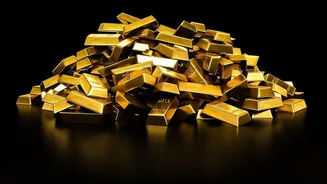
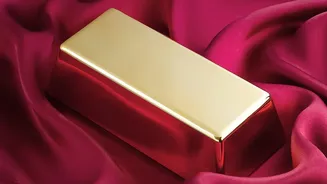
Because 24K gold is 99.9% pure, it holds the highest intrinsic value. This makes it the top choice for investment purposes. You'll typically find 24K gold in the form of coins and bars, which are bought as a store of value or for wealth preservation. However, this extreme purity comes with a significant drawback for jewellery: softness. Pure gold is highly malleable, meaning it can bend, scratch, and deform very easily. Its softness makes it unsuitable for daily wear and impractical for holding gemstones securely.
The Strength of 22K: The Jeweller's Choice
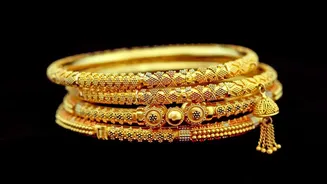
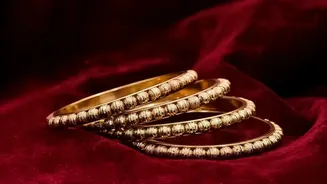
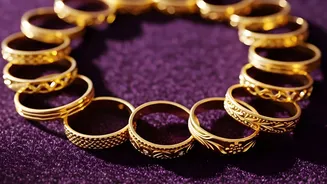
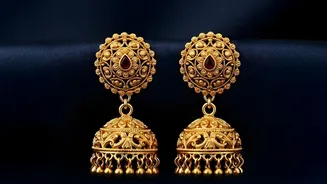
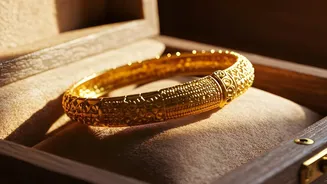
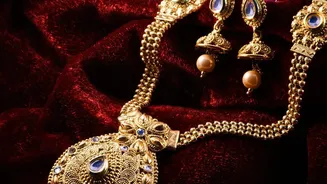
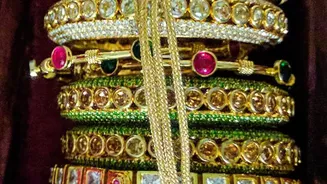
This is where 22K gold shines. The other 8.33% of the metal isn't a flaw; it's a feature. Jewellers intentionally mix alloys like copper, silver, or zinc with pure gold. These alloys dramatically increase the metal's hardness and durability, making it strong enough to withstand the rigours of daily life. This strength is why 22K gold is the standard for traditional Indian jewellery, from intricate wedding necklaces to sturdy daily-wear bangles. It strikes the perfect balance between high purity and practical wearability.
Design, Durability, and Diamonds
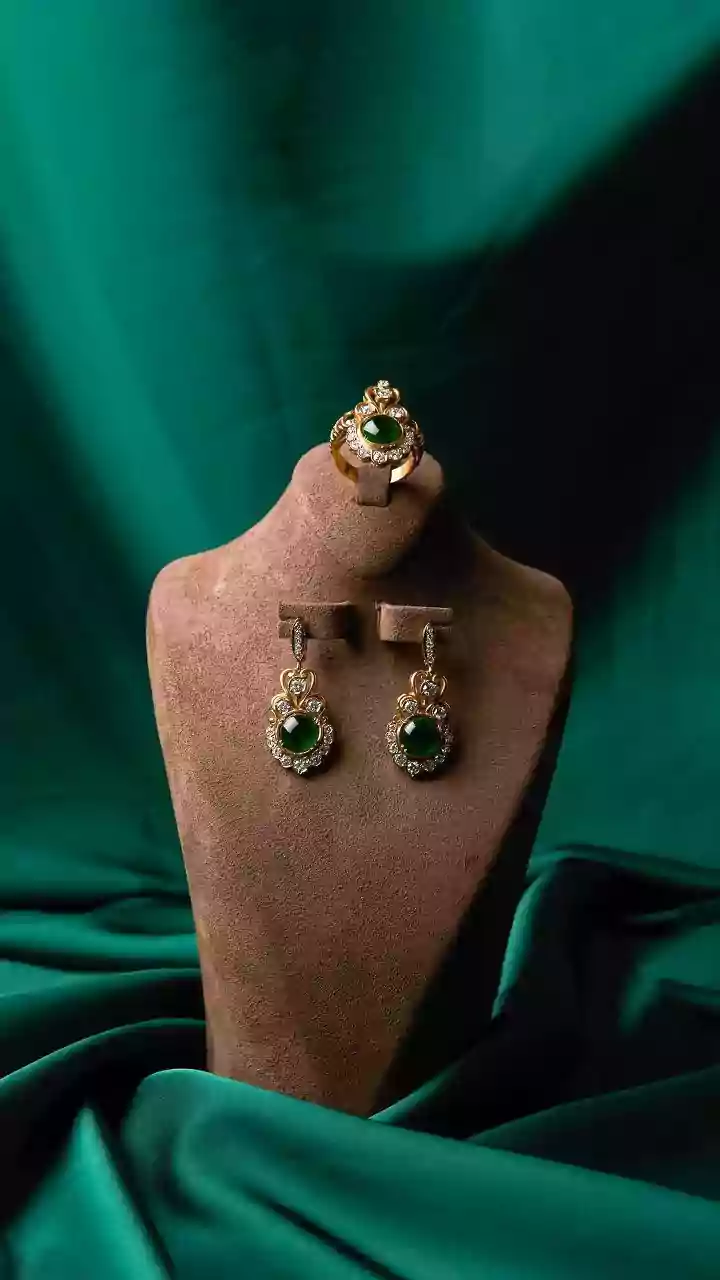
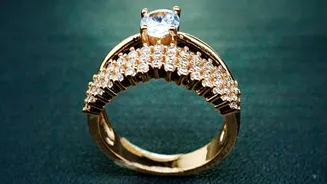
The added strength of 22K gold has major implications for craftsmanship. Because it is harder, it can be fashioned into complex and intricate designs that would simply not hold their shape in softer 24K gold. Furthermore, the durability of 22K gold makes it a much better choice for setting precious stones. The prongs and settings need to be firm enough to hold a diamond or other gemstone securely, a task for which soft 24K gold is ill-suited. While 22K is ideal for most jewellery, for very heavy or intricate studded pieces, some jewellers may even prefer 18K gold for its superior hardness.
Price and Resale Value
Gram for gram, 24K gold is more expensive than 22K gold due to its higher purity. When you're investing, this makes sense—you're paying for pure gold content. However, when buying jewellery, you also pay 'making charges', which cover the cost of craftsmanship. For resale, the value of jewellery is primarily based on its gold content. While 24K has a higher intrinsic value, 22K jewellery has a massive, established market and retains its value well, making it a sound purchase that is also wearable. The key is to always buy hallmarked jewellery to guarantee its purity, whether it's 22K (916) or another karat.