





The Unexpected Fitness Test
We've all been there: trying to carry all the grocery bags in one trip, fingers turning white, shoulders burning. While it might seem like a mundane chore, this weekly struggle is a perfect snapshot of your functional fitness. This isn't about how much
you can bench press, but about your body's ability to handle real-life physical tasks. The grocery carry challenges several key components of your physical health at once. It tests your grip strength, which studies have increasingly linked to overall health and longevity. A weak grip can be a sign of declining muscle mass and has been associated with a higher risk for a range of health issues. It also engages your core to keep you upright and stable, and it demands endurance from your back, shoulders, and legs. In short, if the grocery run feels like an Olympic event, it might be your body’s way of telling you it's time to pay attention to your everyday strength.
What Is Functional Strength?
Functional strength training focuses on exercises that mimic everyday movements. Think lifting, carrying, pushing, pulling, bending, and twisting. The goal is to improve your ability to perform daily activities with ease and without injury. Unlike traditional weightlifting that often isolates specific muscles, functional fitness involves compound exercises that work multiple muscle groups and joints together, just as they do in real life. Carrying groceries, lifting a suitcase into an overhead bin, or playing with your children all require a coordinated effort from your entire body. By training these movement patterns, you build strength that is directly transferable to your daily life, making you more resilient and capable. This approach is beneficial for everyone, from young adults to seniors, as it helps maintain independence and quality of life as we age.
The Building Blocks of Carrying Power
To conquer the grocery haul and build useful strength, focus on three key areas. First is grip strength. Your ability to hold onto those bags is the most immediate limiting factor. A strong grip is a proven indicator of overall muscular health. Second is a stable core. Your core muscles, which include your abs, obliques, and lower back, act as a stabilizing force, preventing you from leaning to one side and protecting your spine from strain. Finally, your posture and upper back strength are crucial for keeping your shoulders pulled back and preventing you from hunching forward under the load. Together, these elements form the foundation of carrying strength, enabling you to handle heavy, awkward loads safely and efficiently. Strengthening these areas doesn't just make shopping easier; it helps prevent injuries in all aspects of your life.
Simple Exercises for Real-World Strength
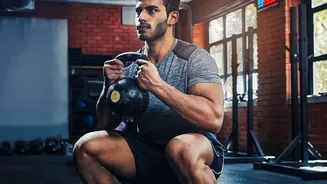
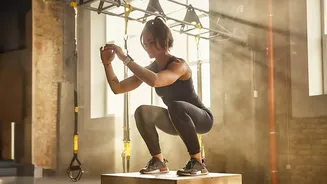
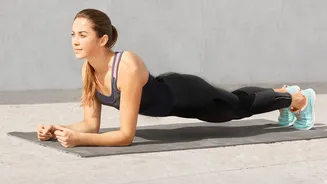
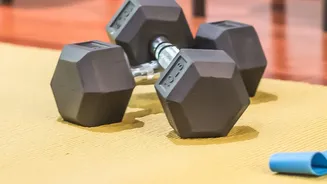
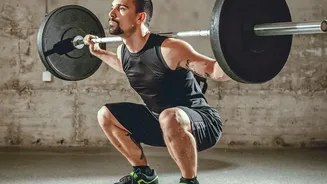
You don't need a fancy gym membership to build functional strength. One of the best exercises is the 'Farmer's Walk', which is exactly what it sounds like: pick up a heavy weight in each hand and walk. You can use dumbbells, kettlebells, or even your actual grocery bags. This single exercise improves grip, core stability, and endurance. Another great option is the 'Suitcase Carry', which involves holding a weight in just one hand. This variation forces your core to work harder to keep your torso upright. To build foundational strength, incorporate bodyweight exercises like squats, which mimic picking something up from the floor, and planks, which are excellent for core stability. Even simple activities like gardening or carrying a laundry basket contribute to your functional fitness.