




Jamun: The Purple Powerhouse
This deep-purple seasonal fruit is an iconic part of the Indian monsoon for a reason. Jamun is loaded with Vitamin C and powerful antioxidants like anthocyanins, which are essential for building a strong immune system to fight off common seasonal infections.
Its high fibre content aids digestion, a common concern as the body's digestive fire can weaken during this season. Additionally, compounds in jamun have been studied for their ability to help regulate blood sugar levels, making it a healthy indulgence. Enjoy a handful as a snack or try making a fresh juice, but consume it in moderation.
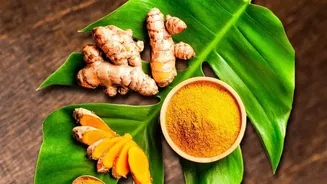
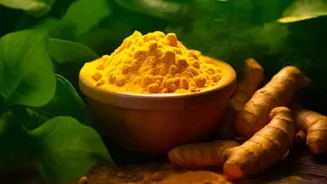
Turmeric (Haldi): The Golden Healer
A staple in every Indian kitchen, turmeric’s value skyrockets during the monsoon. Its active compound, curcumin, has potent anti-inflammatory, antioxidant, and antimicrobial properties. These qualities help strengthen the body’s defences against the germs and viruses that are more prevalent in the damp weather. A daily dose of turmeric in your dal, sabzi, or as a comforting glass of turmeric milk before bed can help reduce inflammation and keep infections at bay. For maximum absorption, it's often recommended to pair turmeric with a pinch of black pepper.
Ginger and Garlic: The Dynamic Duo
Ginger and garlic are foundational to Indian cooking, and they become even more critical during the rains. Ginger is renowned for its ability to soothe the digestive system, relieve sore throats, and clear congestion. Its warming properties are comforting on cool, damp days. Garlic is considered a natural antibacterial and antiviral agent. The compound allicin, released when garlic is crushed or chopped, is known to help white blood cells fight off infections like the common cold and flu. Using this pair generously in your teas, soups, and curries is a simple way to boost both flavour and your body's resilience.
Bitter Gourd (Karela): The Digestive Aid
While its bitter taste can be an acquired one, karela is highly recommended during the monsoon. It is packed with Vitamin C and antioxidants that support a robust immune system. More importantly, it stimulates the secretion of digestive enzymes and promotes bile production, which helps improve digestion and supports liver health, both of which can be sluggish during this season. The high fibre content also helps prevent common monsoon digestive issues like constipation and indigestion. Including it in your diet, perhaps as a stir-fry or stuffed preparation, can help keep your gut in top shape.
Probiotics: Your Gut's Best Friend
Around 70% of your immune system resides in your gut, making gut health paramount during the monsoon. Probiotic-rich foods like fresh, homemade curd (yoghurt) and chaas (buttermilk) are excellent for maintaining a healthy balance of gut bacteria. These beneficial bacteria help fight off pathogens and aid digestion. Lighter preparations like chaas are particularly good as they are hydrating and easy on the stomach. Fermented foods like idli and dosa, made from fermented batter, are also great probiotic sources that are gentle on the digestive system.
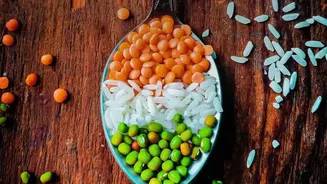
Pulses and Lentils: The Light Proteins
Heavy, oily foods can be difficult to digest during the monsoon. Light and easy-to-digest proteins like moong dal are ideal. Khichdi made from moong dal and rice is a classic comfort food for the season for this very reason—it's nourishing without being heavy. Pulses are rich in protein, fibre, vitamins, and minerals that help build immunity and provide sustained energy. Soaking and sprouting pulses before cooking can make them even easier to digest and enhance their nutritional profile. Including a variety of dals and pulses in your diet ensures you get a wide range of essential amino acids.