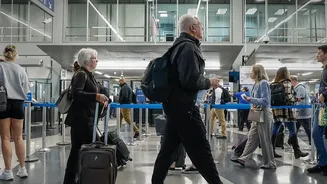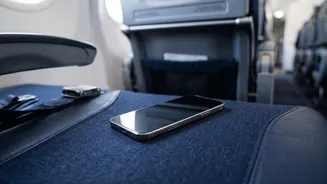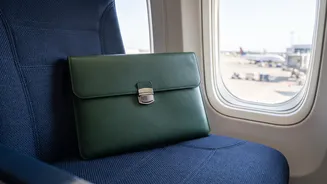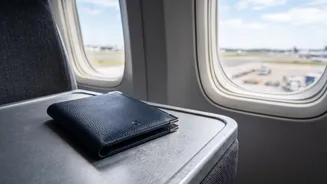






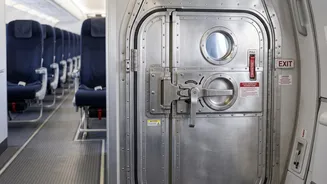
That sinking feeling when you realise you’ve left a tablet, jacket, or passport in your seat pocket is a universal travel nightmare. But the biggest obstacle to getting it back isn't theft or loss—it’s the clock.
The Race Against the Turnaround Clock
In the airline industry, time on the ground
is money lost. The moment your plane arrives at the gate, a process called 'turnaround' begins. This is the tightly choreographed period where the aircraft is prepared for its very next flight. For many low-cost carriers, this entire window can be as short as 25 to 30 minutes. For legacy airlines, it might be a more generous 45 to 90 minutes. This incredibly brief timeframe is packed with essential tasks that all happen simultaneously, leaving very little room for a detailed search for a passenger's forgotten Kindle.
A Symphony of Speed and Logistics
During a turnaround, a flurry of activity engulfs the aircraft. Ground crews are connecting power, deplaning passengers, unloading baggage, and refueling. At the same time, cleaning crews sweep through the cabin, catering restocks the galleys, and pilots conduct pre-flight checks. The primary goal of the cleaning crew is to quickly prepare the cabin for the next set of passengers by removing rubbish and ensuring basic hygiene. Their process is systematic and incredibly fast. While they are trained to hand over valuable items, their main job is speed and efficiency, not a forensic search of every nook and cranny.
The Journey of a Lost Item
So, what happens when a cleaning crew member finds your headphones? Anything deemed to have value is supposed to be handed to the airline's ground staff or cabin crew supervisor. From there, it's logged and sent to either the airline's own lost property office or the airport's central lost and found department. This handoff process creates multiple points where information can be lost or delayed. Complicating matters further, if your item is found after the plane has already taken off for its next destination, it might end up in a completely different city.
Your Best Strategy: Act Immediately
Time is your biggest enemy. The single most effective thing you can do is report the loss before you leave the airport. If you realise you're missing something while still in the terminal or at baggage claim, go directly to the airline's customer service or ticketing desk. If the aircraft is still at the gate, an agent may be able to contact the crew to check your specific seat. This 'golden hour' is your best chance for a quick recovery. Once you've left the airport, you must file a formal lost item report online through the airline's website. Be as descriptive as possible, including flight number, seat number, brand, colour, and any unique marks or serial numbers.
Know Who to Contact
It’s crucial to understand that different entities handle items lost in different areas. Items left on the plane are the airline's responsibility. Anything lost at a security checkpoint is handled by the Transportation Security Administration (TSA) or the relevant national security body, which has its own separate lost and found process. Items lost in the general terminal areas, like food courts or restrooms, are handled by the airport authority itself. Filing a report with the wrong department is a common mistake that leads to frustration and delays.
Prevention Is the Ultimate Solution
The easiest way to get your items back is to never lose them in the first place. Before deplaning, make a conscious effort to perform a triplecheck: the seat pocket in front of you, the area under your seat, and the overhead bin. Get into the habit of doing this every single time you fly. For crucial small items like phones, wallets, and passports, consider using brightly coloured cases or lanyards that are harder to overlook. A final, deliberate scan of your personal space before you join the queue to exit the aircraft can save you hours, or even days, of stress.