



The Changing Face of the Indian Traveller
The driving force behind this transformation is a significant demographic and cultural shift. Millennials and Gen Z, armed with rising disposable incomes and a digital-first mindset, now dominate the market. This younger cohort values experiences over
possessions and is eager for meaningful, authentic journeys that offer more than a simple change of scenery. Unlike previous generations, they are not just tourists but active participants, seeking immersion, personal growth, and stories to share. This has led to a boom in solo travel and curated group trips with friends, often planned independently rather than through traditional family structures. This shift is reflected in spending habits, with a notable willingness to invest in unique activities and memorable moments.
The Rise of Wellness and Healing Journeys
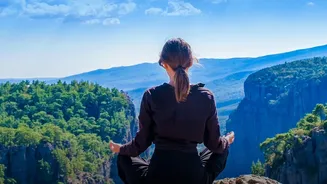
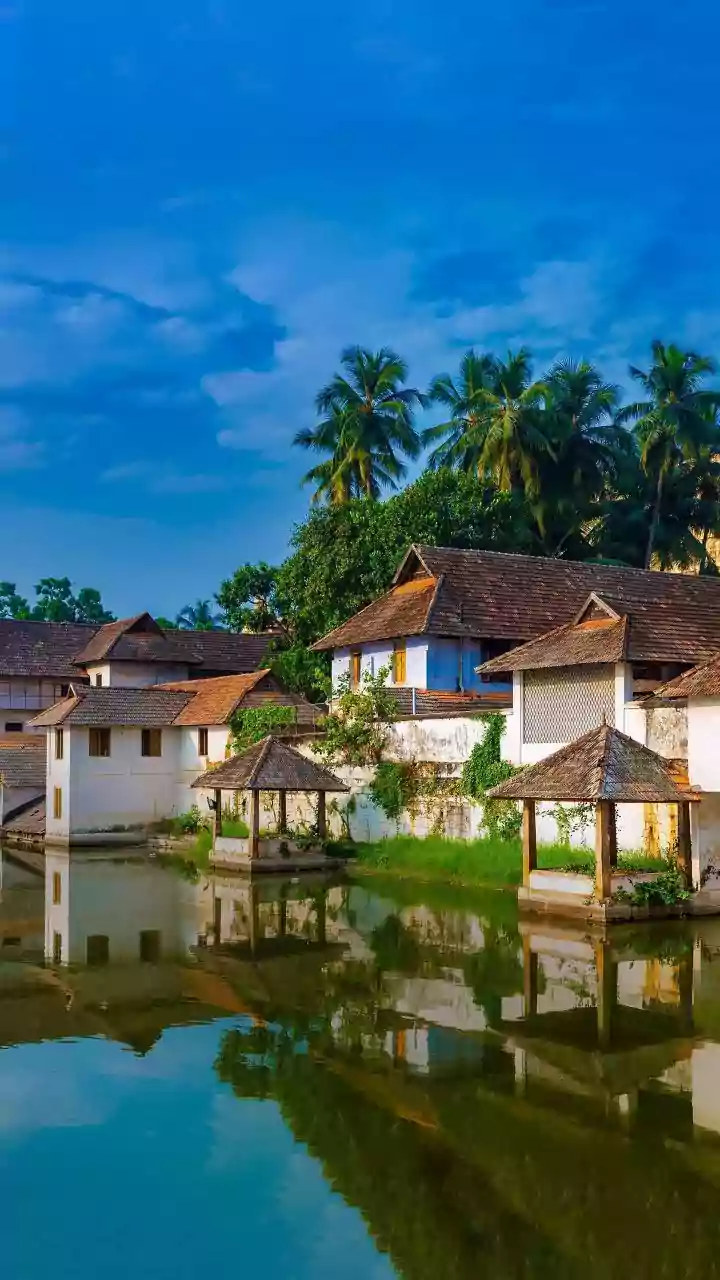
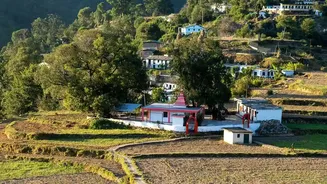
One of the most significant new pillars of Indian tourism is wellness. The desire to disconnect and rejuvenate has fuelled a massive demand for yoga retreats, meditation centres, and holistic healing experiences. India, with its deep roots in Ayurveda and yoga, is uniquely positioned to cater to this trend. The country's wellness economy was valued at approximately USD 180 billion in 2024 and ranks 7th globally. Destinations like Kerala, Uttarakhand, and Rishikesh are no longer just for the spiritually inclined but are attracting a mainstream audience seeking to combat urban stress. This trend extends beyond traditional practices to include 'digital detox' escapes and mindfulness-focused getaways, reflecting a broader societal move towards mental and physical well-being.
Adventure Calling: From Himalayas to Water Sports
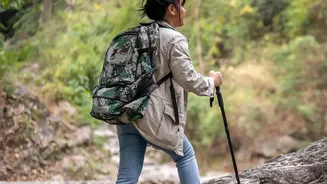
The definition of adventure in India has broadened dramatically. While once limited to hardcore trekking and mountaineering, it now includes a wide spectrum of 'soft adventures' like guided hikes, glamping, and river rafting. The adventure tourism market in India was valued at USD 24.46 billion in 2026 and is projected to grow significantly, driven by a domestic market that accounts for over 90% of participants. This growth is supported by government initiatives improving infrastructure in remote locations. From paragliding in Bir Billing to water sports along the coastline, Indians are embracing the outdoors with newfound enthusiasm. This shift moves beyond mere adrenaline to focus on authenticity and connection with nature.
Back to the Roots: Agritourism and Eco-Conscious Travel
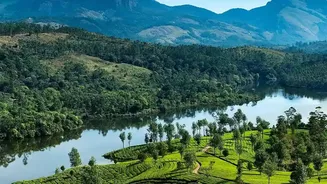
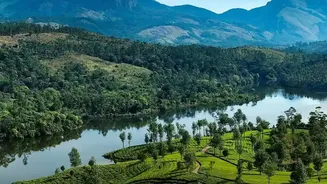
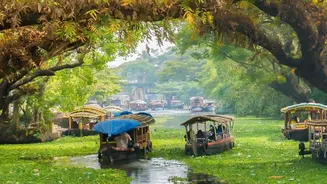
A growing number of urban dwellers are seeking an escape to the countryside, not just for the peace and quiet but to reconnect with the land. This has given rise to agritourism, where travellers stay on farms, participate in agricultural activities like fruit picking, and experience rural life firsthand. States like Maharashtra, Kerala, Punjab, and Himachal Pradesh are at the forefront of this movement, offering everything from vineyard tours to spice plantation stays. The Indian agritourism market is projected to grow at a compound annual growth rate of over 17% between 2026 and 2034. This trend is coupled with a rising interest in sustainable and eco-conscious travel, as tourists become more aware of their environmental impact and seek to support local communities directly.
New Ways to Travel: Workations and Niche Tourism
The rise of remote work has blurred the lines between work and leisure, popularising 'workations'. This allows professionals to trade their home office for a scenic view, combining productivity with travel. Beyond this, other niche forms of tourism are emerging. Experiential travel, which focuses on cultural immersion like cooking classes or craft workshops, is projected to become a USD 45 billion market in India by 2027. Even 'dark tourism', which involves visiting sites of tragedy like Jallianwala Bagh for historical reflection, is gaining traction among younger travellers seeking deeper context. This diversification shows that travel is increasingly becoming a tool for education, connection, and personal discovery.