



The Problem with Polished White Rice
Polished white rice is a staple in countless Indian households, but its popularity comes at a nutritional cost. The refining process strips the grain of its bran and germ, removing most of its essential nutrients, including fibre, vitamins, and minerals.
What's left is mostly simple starch, which digests quickly and can cause a rapid spike in blood sugar levels. This high glycemic index (GI) of around 73 makes it a less-than-ideal choice for daily consumption, especially for those managing weight or blood sugar. The lack of fibre also means it's less filling, which can lead to overeating.
Meet Foxtail Millet (Kangni): The Smart Rice Replacement
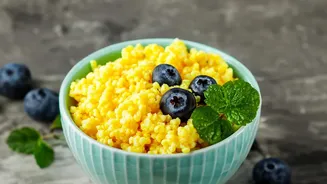
Known as Kangni in Hindi, foxtail millet is a fantastic and nutritious alternative to white rice. It boasts nearly double the protein and is packed with dietary fibre, which is largely absent in polished rice. This high fibre content helps slow down digestion, keeping you feeling full for longer and promoting better gut health. Crucially, foxtail millet has a low glycemic index, typically around 50, which helps in managing blood sugar levels by ensuring a slow, steady release of energy. It is also a rich source of essential minerals like iron, calcium, and magnesium, which support everything from bone health to energy production.
Discover Sorghum (Jowar): The Gluten-Free Powerhouse
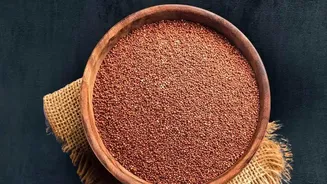
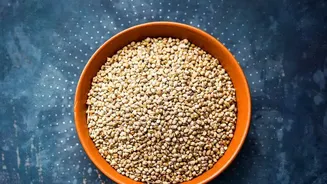
Sorghum, or Jowar, is another ancient grain that deserves a prime spot in your pantry. It is naturally gluten-free, making it an excellent option for those with gluten sensitivity. Nutritionally, Jowar outshines white rice with significantly more protein and about ten times more dietary fibre. It also has a low glycemic index, making it beneficial for blood sugar control. Sorghum is a great source of minerals like iron, phosphorus, and magnesium, and it's rich in antioxidants that help combat cellular damage. Its versatility means it can be used as a whole grain, like in a pulao, or ground into flour for rotis, dosas, and porridge.
How to Cook Millets Like a Pro
Making the switch to millets is easy. To cook foxtail millet as a rice substitute, start by rinsing it thoroughly. Soaking it for at least an hour can help soften the grain and reduce cooking time. A good starting ratio is 1 cup of foxtail millet to 2.5 cups of water. Bring the water to a boil, add the drained millet, and simmer on low heat for 15-20 minutes until the water is absorbed. Let it rest, covered, for about 10 minutes before fluffing with a fork. For whole sorghum, it's best to soak it for a few hours or overnight. You can then cook it in a pressure cooker with two cups of water for every cup of jowar for about 4-5 whistles. The cooked grains have a satisfyingly chewy texture, perfect for salads and upmas.
Simple Meal Ideas to Get Started
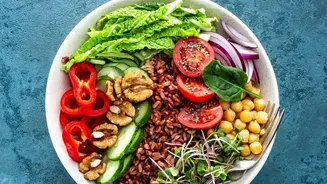
You don't need to overhaul your entire menu to incorporate these millets. Start by swapping white rice with fluffy foxtail millet in your favourite dishes. It works wonderfully in lemon rice, curd rice, pulao, or simply served alongside dal and sabzi. You can try making a healthy upma or kheer with it. Sorghum flour (Jowar atta) can be used to make soft bhakris (rotis), which are a staple in states like Maharashtra and Karnataka. You can also add jowar flour to your regular dosa or cheela batter for a nutrient boost or cook whole jowar into a hearty porridge or pulao.