



Understanding Late-Monsoon River Conditions
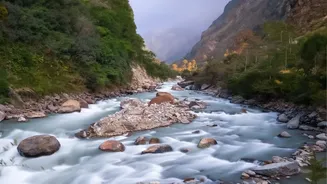
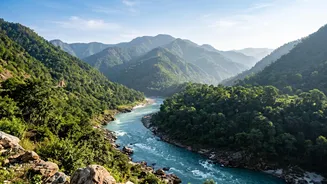
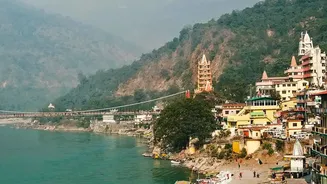
Late September and October can be a fantastic time to raft in Rishikesh. The crowds are smaller than in peak season, and the hills are a vibrant green. However, the river itself is a different beast post-monsoon. The water levels are higher, the current
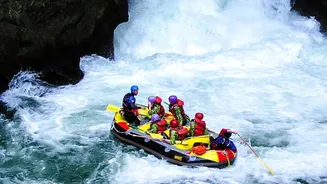
is stronger, and rapids that are manageable in summer can become more powerful and challenging. The water is often murky with sediment, which can hide submerged obstacles like rocks or debris. While rafting is officially suspended during the peak monsoon months of July and August for safety reasons, the season re-opens in September after authorities conduct safety checks. Still, the river remains formidable, and first-time rafters must appreciate these altered conditions.
Your Most Important Decision: Choosing an Operator
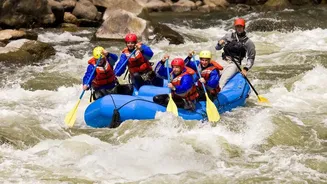
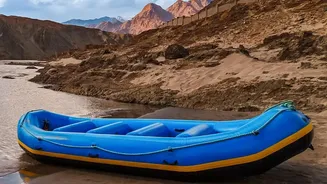
Your safety on the river is directly linked to the professionalism of your rafting operator. Do not be tempted by the cheapest offer on the street. A reputable operator is your number one safety guarantee. Insist on a company that is licensed by the Uttarakhand Tourism Department. This certification ensures they meet specific standards for guides, equipment, and safety protocols. Ask about their guides' certifications, specifically in swift-water rescue, and their experience on the Ganga. A professional company will provide high-quality, well-maintained, and properly-fitted safety gear, including ISI-certified life jackets (also called Personal Flotation Devices or PFDs) and helmets. If the gear looks worn out or doesn't fit snugly, it's a major red flag.
Listen Carefully: The Pre-Trip Safety Briefing
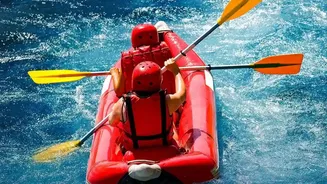
A thorough safety briefing is not optional; it's a critical component of a safe trip. Licensed operators will provide a detailed 15-20 minute briefing before you even get near the water. Pay close attention. This is where you'll learn essential paddle commands, how to position yourself in the raft, and, most importantly, what to do if you fall overboard. Your guide will explain how to hold the paddle correctly and work as a team, which is crucial for navigating rapids. They will also instruct you on rescue procedures. Do not be afraid to ask questions. Be honest about your fitness level and whether you can swim. While you don't need to be a swimmer for easier rapids (your life jacket will keep you afloat), your guide needs this information.
In The Water: The 'Whitewater Floating Position'
Falling out of the raft can be startling, but it doesn't have to be dangerous if you remember your training. The first rule is: do not panic. Your life jacket will do its job. The most critical instruction is to get into the 'whitewater floating position' or 'defensive swimming' position. This means floating on your back with your feet up and pointing downstream. This allows you to see where you're going and use your feet to fend off rocks. Never try to stand up in a fast-moving current, as your foot could get trapped in rocks on the riverbed, a situation known as foot entrapment. Listen for your guide’s instructions; they are trained for rescues and will either pull you back into the raft or direct you to a safety kayaker.
Final Checks for a Safe Adventure
A few final points can make all the difference. Dress appropriately in quick-drying synthetic clothing; avoid cotton, which gets heavy and cold when wet. Secure footwear like strapped sandals or water shoes is a must—flip-flops will be lost instantly. Protect yourself from the sun with waterproof sunscreen, even on cloudy days. Critically, never consume alcohol or drugs before a rafting trip, as it severely impairs your judgment and physical coordination. Lastly, remember that while you are with a guide, your safety is also a shared responsibility. Being alert, prepared, and respectful of the river's power is the best way to ensure your first Rishikesh rafting experience is thrilling for all the right reasons.