





Coorg: The Scotland of India Reawakened
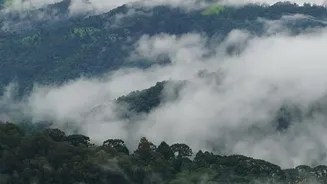
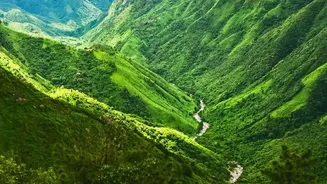
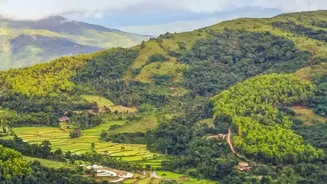
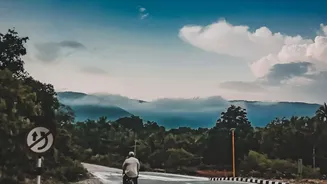
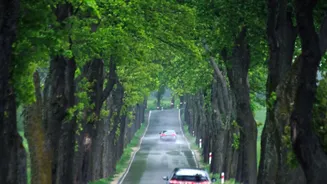
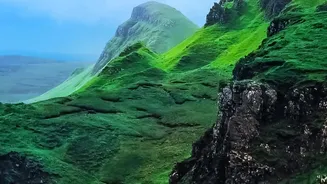
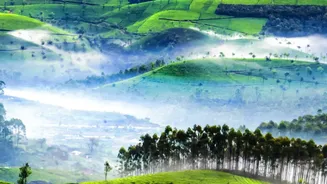
Known as the 'Scotland of India', Coorg (Kodagu) is particularly magical from September through November, just after the heavy rains. The landscape is a vibrant emerald, coffee plantations are fragrant, and the winding roads are a driver’s delight. This
is when Coorg’s natural attractions are at their most spectacular, offering a perfect blend of adventure and serenity. The post-monsoon season is ideal for visiting waterfalls, which are at their peak flow, and for exploring the region's famed viewpoints without the interruption of constant rain.
Itinerary 1: The Madikeri Waterfall Circuit
This route centres around Madikeri, Coorg's main town. Start your day early and drive to Abbey Falls, located just a few kilometres away amidst private coffee and spice estates. The roar of the water cascading down is a powerful experience, especially after the monsoon. From there, make your way to Raja's Seat, a historic garden that offers panoramic views of the mist-covered valleys. For the more adventurous, a 4x4 jeep safari to Mandalpatti viewpoint is a must. This off-road journey takes you to a hilltop with 360-degree views of the rolling Ghats, an experience many guides consider one of Coorg's best-kept secrets.
Itinerary 2: River Camps and Spiritual Sources
For a different flavour of Coorg, head towards Kushalnagar to visit the Dubare Elephant Camp on the banks of the River Kaveri. Here, you can learn about elephant conservation and enjoy the peaceful riverside setting. Further on, a drive to Talakaveri, the source of the river nestled in the Brahmagiri Hills, offers both spiritual significance and stunning natural beauty. The route takes you through dense forests and quiet country roads. On your way back, stop at Bhagamandala, a sacred site where three rivers converge. Combining these stops offers a mix of wildlife, culture, and scenic driving.
Mahabaleshwar: Maharashtra's Verdant Crown
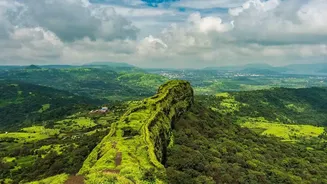
Come September, Mahabaleshwar sheds its monsoon veil of heavy fog and emerges as a green paradise. The hill station, one of the most popular getaways from Mumbai and Pune, is at its most atmospheric during this period. The plateau is covered in lush vegetation, seasonal waterfalls line the ghat roads, and the weather is cool and pleasant, making it ideal for leisurely drives and sightseeing. The period from October to February is considered one of the best times to visit for clear views and outdoor activities.
Itinerary 3: The Classic Mahabaleshwar-Panchgani Loop
A classic Mahabaleshwar trip involves exploring its famous viewpoints. Start with Arthur's Seat, often called the 'Queen of All Points', which overlooks the stark drop into the Savitri Gorge. From there, drive towards Old Mahabaleshwar to visit the ancient Panchganga Temple. The drive itself is part of the experience, with clouds often drifting across the road. Continue to Kate's Point for a stunning view of the Dhom Dam and surrounding peaks before heading to Panchgani to see the vast expanse of Table Land, the second-largest volcanic plateau in Asia. A stop at Mapro Garden for their famous strawberry cream is a mandatory and delicious ritual.
Itinerary 4: Chasing Waterfalls and History
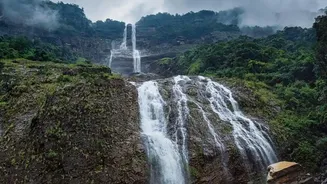
The post-monsoon season is the best time to witness Mahabaleshwar's waterfalls in their full glory. Lingmala Waterfall is the most spectacular, with water plunging from a height of nearly 600 feet. Other smaller but equally beautiful falls like Dhobi and Chinaman's Waterfall are also worth a visit. Combine this with a drive to Pratapgad Fort, a site of immense historical importance for the Maratha Empire. The drive up the Ambenali Ghat to the fort offers thrilling hairpin bends and panoramic views of the valleys below, making for an exciting journey through nature and history.