




The New Space Race is Inflatable
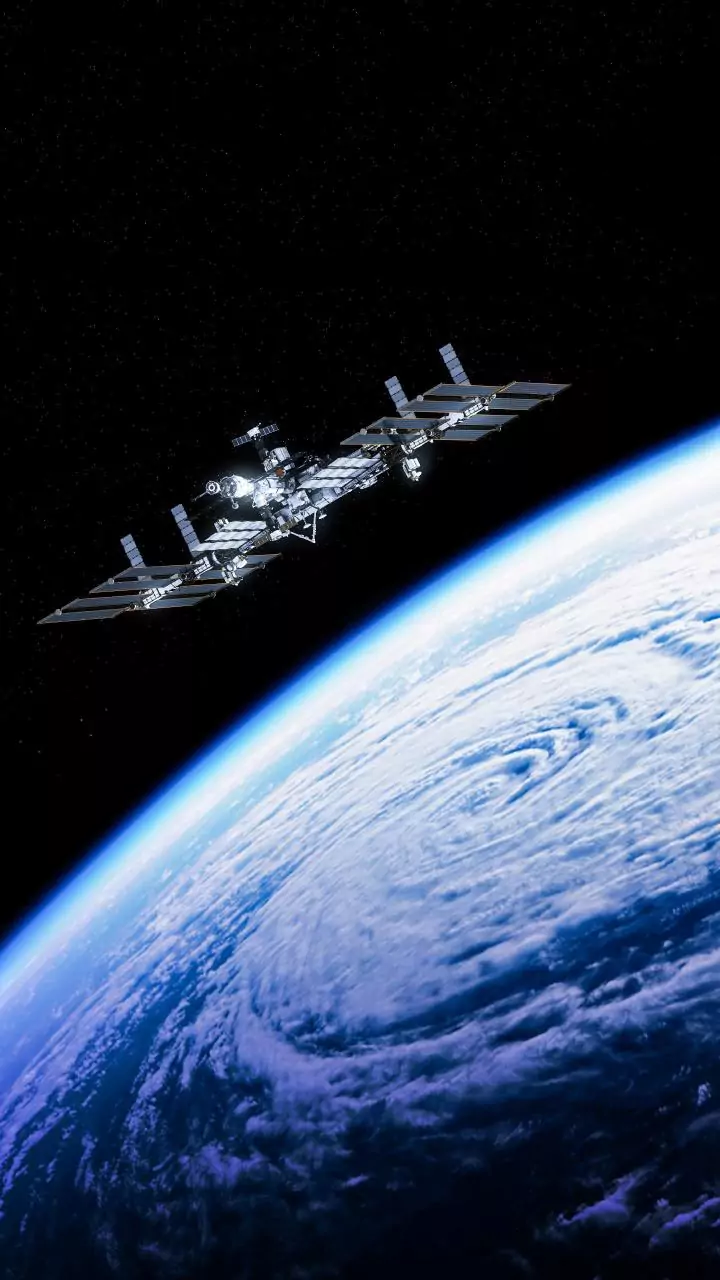
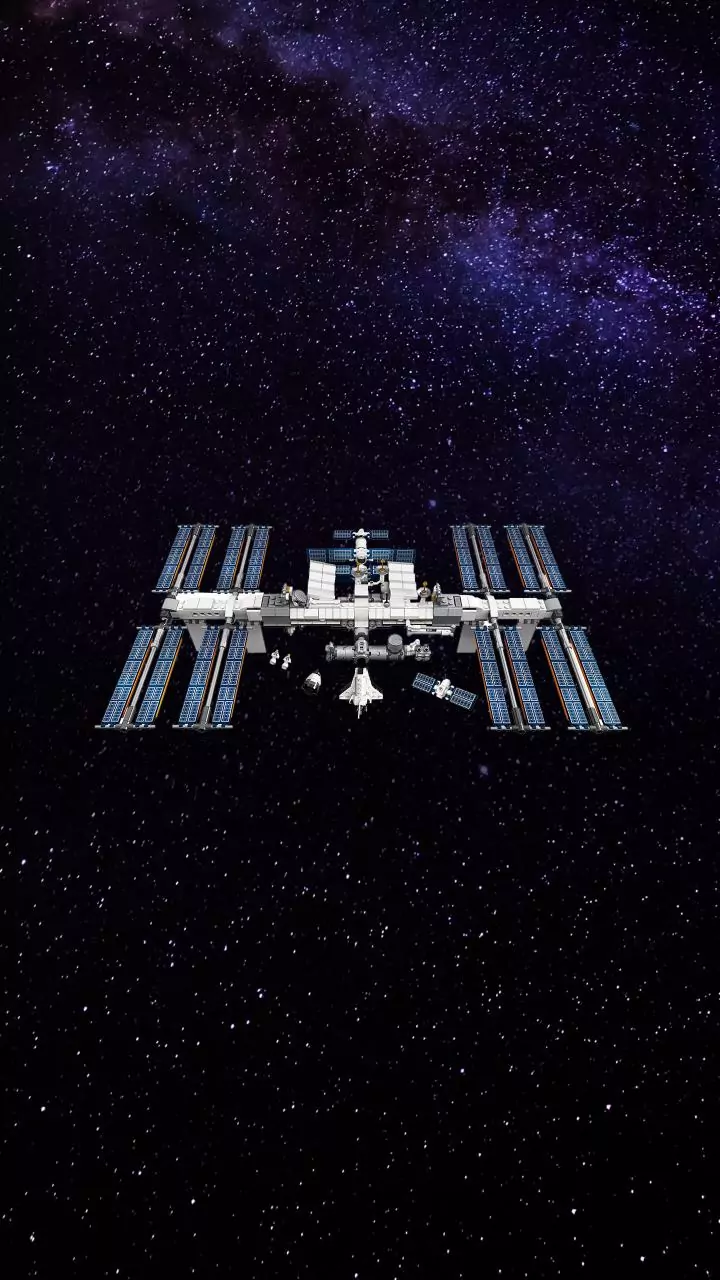
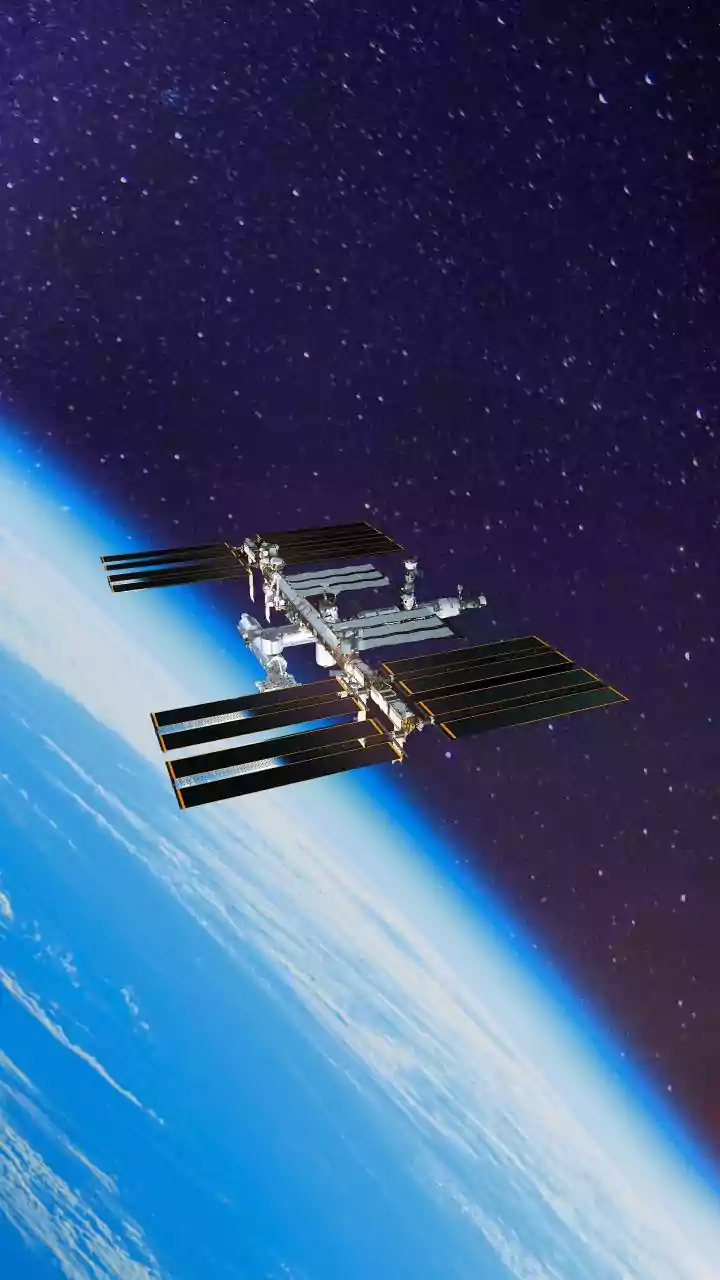
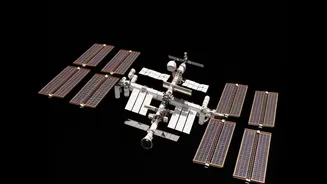
When you picture a space station, you likely imagine a sprawling structure of rigid, metallic cylinders assembled piece by piece in orbit. That model, exemplified by the International Space Station (ISS), is giving way to a revolutionary new approach:
inflatable habitats. These aren't flimsy balloons but advanced, multi-layered structures made from durable fabrics like Kevlar. The concept, first explored by NASA in the 1960s, is now being commercialized by a new generation of space companies. The primary advantage is efficiency. An inflatable module can be packed into a much smaller rocket fairing for launch and then expanded to its full size in space, providing significantly more pressurized volume for the same mass compared to a traditional rigid module. This “more space for less mass” formula dramatically reduces launch costs, one of the biggest hurdles in space exploration, and allows for larger, more open environments for astronauts to live and work.
A Larger Laboratory for Discovery
The greater volume offered by inflatable modules is a game-changer for science. Aboard the ISS, research space is at a premium. Larger, expandable habitats will create dedicated laboratories for experiments that are impossible to conduct on Earth. The microgravity environment of space offers unique benefits. Without the pull of gravity, sedimentation and convection disappear, allowing for the creation of purer crystals and more perfect materials. This has massive implications for industries on Earth. Pharmaceutical companies can grow higher-quality protein crystals to develop new drugs, and manufacturers can produce exotic fiber optic glasses for faster internet or flawless semiconductor films for next-generation electronics. The ability to 3D print biological tissues without the structures collapsing under their own weight also opens new frontiers in regenerative medicine. These private stations are being designed as versatile platforms for research, manufacturing, and even space tourism.
The Companies Building the Future
Several companies are leading the charge in this new commercial space race, with NASA's support. Sierra Space is a major player with its Large Integrated Flexible Environment (LIFE) habitat. The LIFE module is a key component of the Orbital Reef space station, a joint project with Blue Origin. In tests, full-scale prototypes of the LIFE module have proven their strength by withstanding pressures far exceeding NASA's safety requirements before bursting. Once inflated in orbit, a single LIFE habitat could be the size of a three-story apartment building. Another key company is Axiom Space, which is already building the first module of its commercial station. Axiom's initial plan involves attaching its modules to the ISS before separating to become a free-flying outpost. Other ventures like Starlab, a project from Voyager Space and Airbus, are also developing stations that incorporate expandable technology, signaling a broad industry shift.
Life After the International Space Station
This push for commercial stations is driven by a critical deadline: the planned retirement of the International Space Station around 2030. For over two decades, the ISS has been the world's only continuously inhabited outpost in low-Earth orbit. To avoid a gap in American presence and research capabilities in space, NASA is actively funding private industry to develop successors through its Commercial Low-Earth Orbit Destinations (CLD) program. The goal is to transition from NASA owning and operating its own station to being one of many customers buying services from a fleet of commercial outposts. This public-private partnership model stimulates a robust space economy, where companies can serve government agencies, foreign space programs, and private researchers. The test case for this technology has been orbiting Earth since 2016; the Bigelow Expandable Activity Module (BEAM) was attached to the ISS to study the long-term performance of inflatable structures in the harsh environment of space.