



Orchha, Madhya Pradesh: Where History Meets Rain
Forget the crowded forts of Rajasthan. The historic town of Orchha, nestled on the banks of the Betwa River, offers a different kind of magic. During the monsoon, the dry, sun-baked landscape gives way to a carpet of lush green. The town’s magnificent
16th-century palaces, temples, and cenotaphs (chhatris) are washed clean by the rains, their stone facades looking stark and dramatic against the moody, cloud-filled sky. The Betwa River, once a gentle stream, swells into a rushing force, and the sound of the water provides a constant, soothing soundtrack. Instead of jostling with tourist crowds, you can wander through ancient ruins shrouded in mist, feeling like an explorer who’s stumbled upon a lost city. It’s a contemplative, serene experience where history feels alive and breathing.
Valley of Flowers, Uttarakhand: A Himalayan Carpet
This is a destination that exists almost purely for the monsoon. The Valley of Flowers National Park, a UNESCO World Heritage Site, is only accessible from June to October. For these few months, a high-altitude Himalayan valley bursts into a spectacular bloom of over 300 species of alpine flowers. The monsoon rains trigger this incredible natural event, creating a vibrant tapestry of blue poppies, primulas, and marigolds stretching as far as the eye can see. The trek to the valley is part of the allure, taking you through misty forests, past gushing waterfalls, and across glacial streams. It’s not an easy journey, but the reward is a view so breathtakingly beautiful and rare that it feels like stepping into a painting. It’s nature’s grand, temporary masterpiece.
Malshej Ghat, Maharashtra: The Waterfall Wonderland
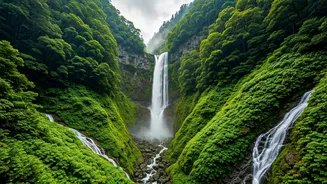
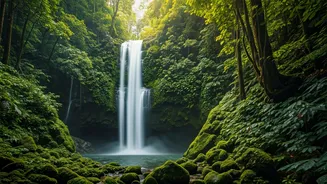
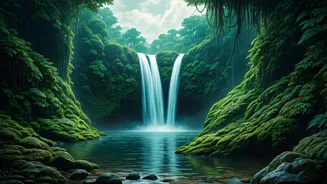
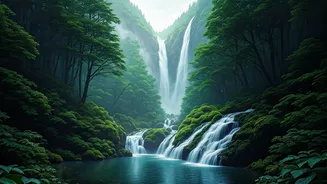
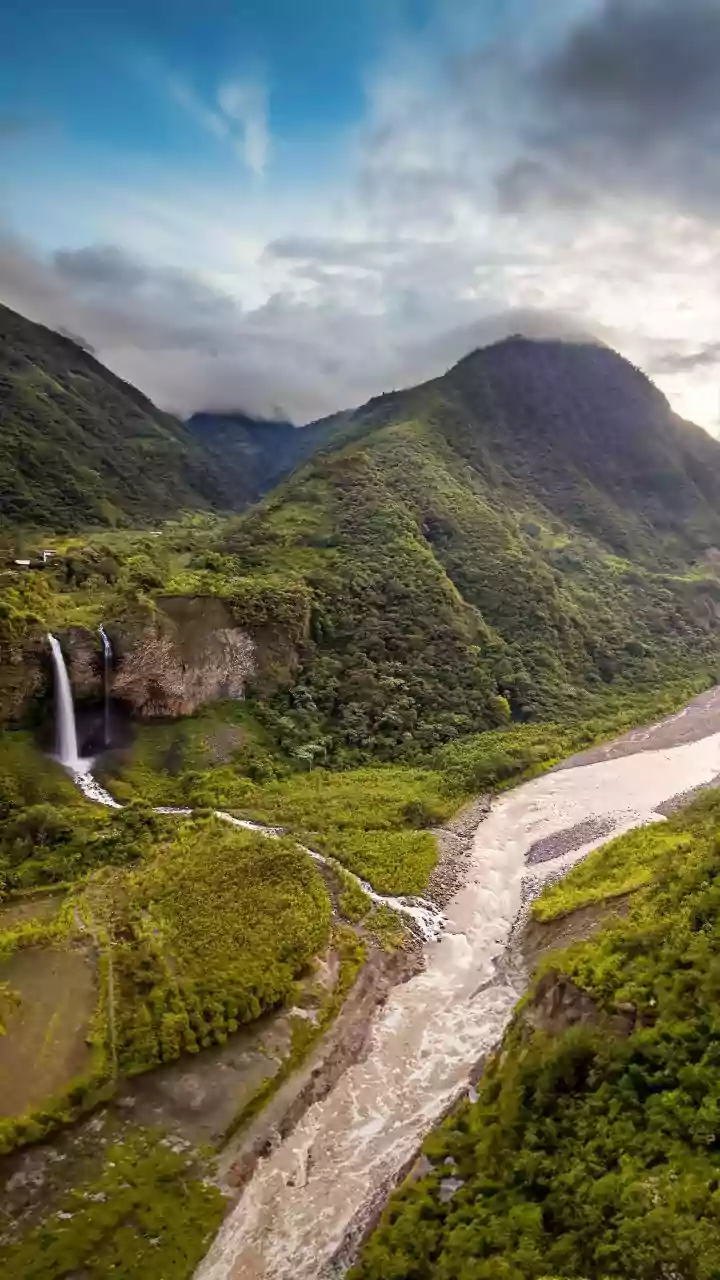
While many international travelers head to Kerala for their monsoon fix, the Western Ghats of Maharashtra hide their own treasures. Malshej Ghat is a mountain pass that becomes a true spectacle of nature during the rains. As the monsoon clouds roll in from the Arabian Sea, they unleash their moisture onto these hills, creating literally hundreds of waterfalls. They cascade down the dark rock faces, cross the winding roads, and feed the lush valleys below. Driving or hiking through this region is a sensory overload in the best way possible. You’re surrounded by the roar of water, the cool mist on your skin, and endless shades of green. It's a popular weekend escape for residents of Mumbai and Pune, but for an outsider, it's an unbelievable display of the monsoon’s raw power and beauty.
Kodaikanal, Tamil Nadu: The Princess of Hill Stations
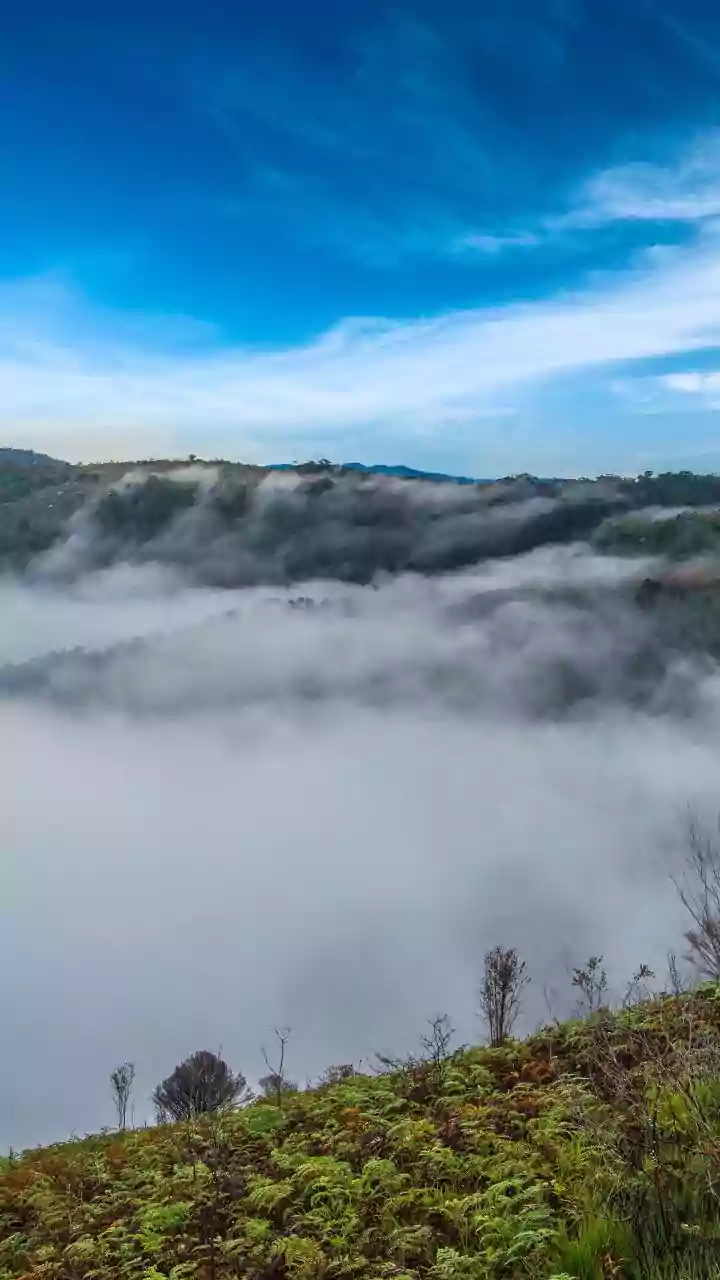
Often living in the shadow of its more famous neighbor, Ooty, Kodaikanal earns its nickname, “The Princess of Hill Stations,” during the monsoon. When the rains arrive, the town transforms. The central Kodai Lake is often veiled in a thick, romantic mist, perfect for a peaceful stroll or a quiet boat ride. The surrounding forests of eucalyptus and pine become intensely fragrant and verdant. One of the most magical phenomena here is the “Brachem” flower, which blooms only once every 12 years, often coinciding with the monsoon season. But even without it, the waterfalls like Bear Shola and Silver Cascade are in their full, thunderous glory. Kodaikanal offers a quieter, more atmospheric hill station experience, where the main activity is simply enjoying the cool, clean air and the stunning misty views with a cup of hot tea.
Ziro Valley, Arunachal Pradesh: A Different World
For the truly adventurous traveler seeking something far from any tourist trail, Ziro Valley in India’s remote northeast is a revelation. Home to the Apatani tribe, this valley is a plateau covered in stunningly beautiful rice paddies, interspersed with small villages of traditional wooden houses. During the monsoon, the entire valley is an impossible shade of fluorescent green, with low-hanging clouds drifting between the hills. The methodical grid of the rice fields, glistening with water, creates a landscape that is both natural and beautifully geometric. It’s a place to experience a unique culture while being immersed in a tranquil, almost surreal environment. The rain here isn't a nuisance; it's the lifeblood of the valley, sustaining the crops and creating a serene, isolated paradise.