



A Partnership Forged in Extremes
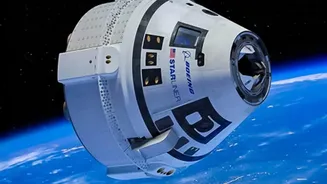
On the surface, sending astronauts into orbit and treating patients in a terrestrial hospital seem worlds apart. In reality, they share a fundamental challenge: managing human health in extreme and isolated environments. An astronaut in a space capsule
and a patient in a remote Indian village both require sophisticated monitoring and care from a distance. This shared problem is the foundation of the landmark collaboration between ISRO and AIIMS. The partnership aims to study the effects of space on the human body to keep astronauts safe on long-duration missions, like the upcoming Gaganyaan flight and the planned Bharatiya Antariksh Station. By tackling the unique medical puzzles of space travel, the two institutions are also creating solutions with profound implications for national healthcare.
From the Cosmos to the Clinic
The human body reacts strangely to microgravity. Without the constant pull of Earth's gravity, astronauts can lose bone density at a rate of 1-2% per month, their muscles weaken, and fluids shift upwards, causing a range of physiological changes. These effects closely mimic the process of accelerated ageing. According to experts, studying this rapid bone and muscle loss in healthy astronauts provides invaluable data for understanding and treating age-related conditions like osteoporosis and muscle atrophy in the elderly population on Earth. The research collaboration will focus on several key areas, including human physiology, cardiovascular health, genomics, immunology, and behavioural health, creating a wealth of knowledge that can be applied to terrestrial medicine.
Telemedicine: Bridging Earthly Distances
A crucial part of keeping astronauts healthy is remote monitoring. For the Gaganyaan mission, ISRO is developing advanced telemedicine systems, including wearable bio-vests that continuously track vital signs like heart rate, ECG, and respiratory patterns from a control center on the ground. This technology is not new to ISRO, which began a pilot telemedicine program back in 2001 to connect rural hospitals with super-speciality urban centres using its satellites. The new collaboration with AIIMS will accelerate the development of these technologies. The same systems designed to monitor a crew member orbiting 400 kilometres above Earth can be adapted to monitor a patient in a village hundreds of kilometres from the nearest specialist, dramatically improving access to quality healthcare in underserved areas.
Beyond Monitoring: Innovations in Medical Devices
The challenges of space demand new medical devices and protocols. For instance, technologies developed to counteract the negative effects of microgravity on astronauts, such as devices that improve blood flow in the legs, could be adapted to treat patients with circulatory disorders. This 'spin-off' potential is a major driver of the partnership. ISRO already has a history of transferring its technologies for public benefit, including developing a low-cost bionic limb and an artificial polyurethane foot. By working with AIIMS, the potential to co-develop medical devices, from diagnostic tools to treatment protocols, is immense. These innovations, born from the necessity of space travel, could soon find their way into Indian clinics and hospitals, making healthcare more effective and accessible.
A New Era for Indian Healthcare
The ISRO-AIIMS MoU represents more than just a scientific project; it's a strategic investment in the nation's future. As AIIMS Director Prof. M. Srinivas noted, this collaboration provides the "escape velocity to venture into space medicine" and will ultimately benefit patients, the nation, and humankind. For India's ambitious space program, it ensures that missions are safe and sustainable. For the country's healthcare system, it promises a new wave of innovation driven by some of the brightest minds in medicine and engineering. This synergy will not only support India's human spaceflight initiatives but also spur new opportunities for the entire scientific community, fostering a robust ecosystem of research and development that addresses challenges both in orbit and on the ground.