




The Core Philosophy: Think Layers, Not Outfits
The secret to packing light for varied climates is to abandon the idea of packing specific outfits for specific days. Instead, build a versatile system based on layers. The goal is to have a collection of items that work together in different combinations
to adapt to any weather. A well-planned layering system allows you to wear all three layers on a cold morning, remove the outer two for a warm afternoon, and be comfortable in just a base layer in the heat. This approach provides maximum flexibility with minimum bulk.
Fabric Is Everything: Your First Smart Choice
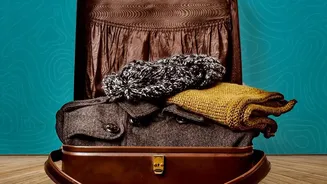
The materials your clothes are made from will make or break your multi-climate wardrobe. Prioritise fabrics that are lightweight, breathable, and versatile. Merino wool is a top performer; it naturally regulates body temperature, wicks away moisture, and resists odours, meaning you can wear it multiple times without washing. This makes it ideal for base layers and sweaters. Synthetics like polyester and nylon are also excellent choices as they dry quickly and are durable. Avoid bulky materials like heavy denim and thick cotton sweaters, which take up space and are slow to dry.
Building Your System: Base, Mid, and Outer Layers
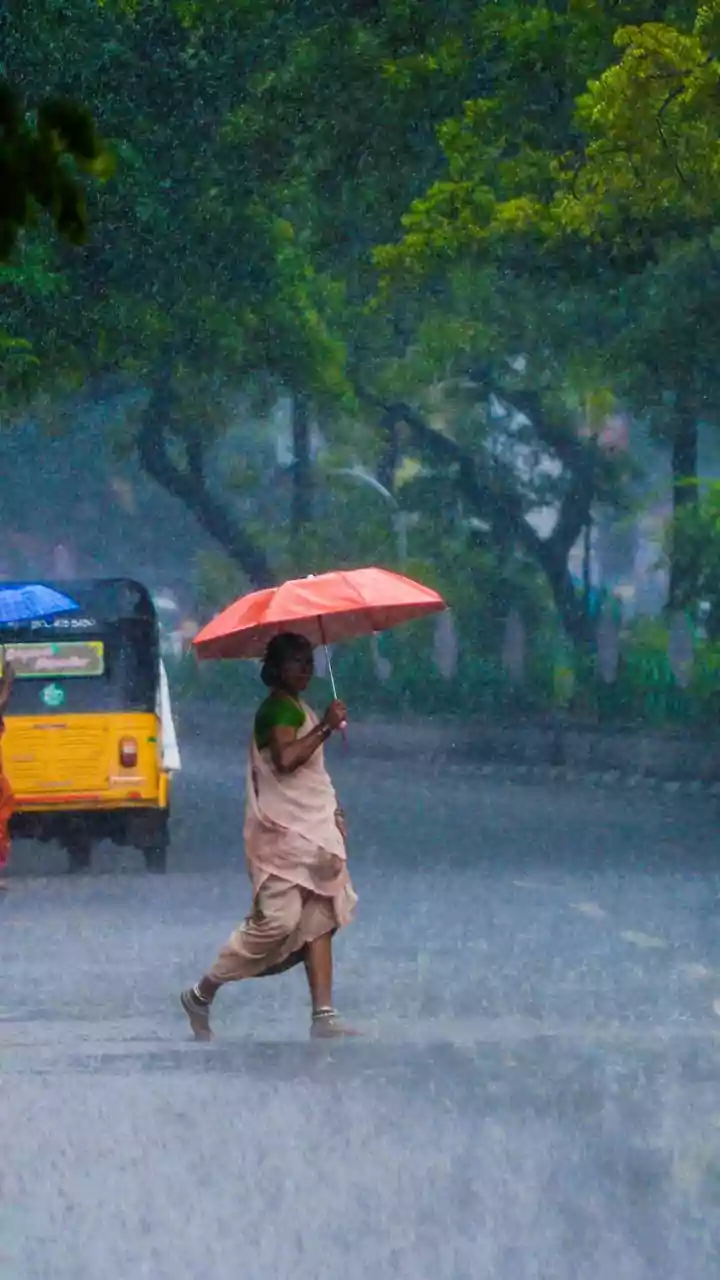
Your packing strategy should revolve around three functional layers. The base layer sits against your skin and manages moisture; think merino wool or synthetic t-shirts and long underwear. The mid-layer provides insulation. This could be a fleece jacket or a lightweight, compressible down or synthetic puffer jacket. These are warm but pack down small. Finally, the outer layer, or shell, protects you from wind and rain. A high-quality waterproof but breathable jacket is a non-negotiable item that will serve you in a mountain downpour or as a simple windbreaker in a coastal town.
Versatile Bottoms and Footwear
You don't need a different pair of trousers for every day of the week. Two or three carefully chosen pairs are sufficient. Consider one pair of durable, quick-drying hiking or travel pants—some even convert into shorts for added utility. Another option could be a pair of lightweight joggers or comfortable trousers that can be dressed up or down and layered with thermal leggings for extra warmth. For footwear, limit yourself to three pairs at most: a sturdy, comfortable pair of walking shoes or trail runners, a pair of sandals, and perhaps one smarter pair of flats or loafers for evenings. Wear your bulkiest pair on the plane.
Smart Accessories: The Lightweight Multipliers
Accessories are where you can add a lot of versatility with very little weight. A scarf or a buff can protect you from the sun, provide warmth for your neck, and add a touch of style. A good hat is essential—perhaps a wide-brimmed one for the sun and a warm beanie for the cold. A pair of thin, warm gloves can be a lifesaver at high altitudes or on chilly evenings and takes up almost no space in your bag. These small items allow you to fine-tune your comfort level without needing another full layer of clothing.
Putting It All Together: The Art of the Roll
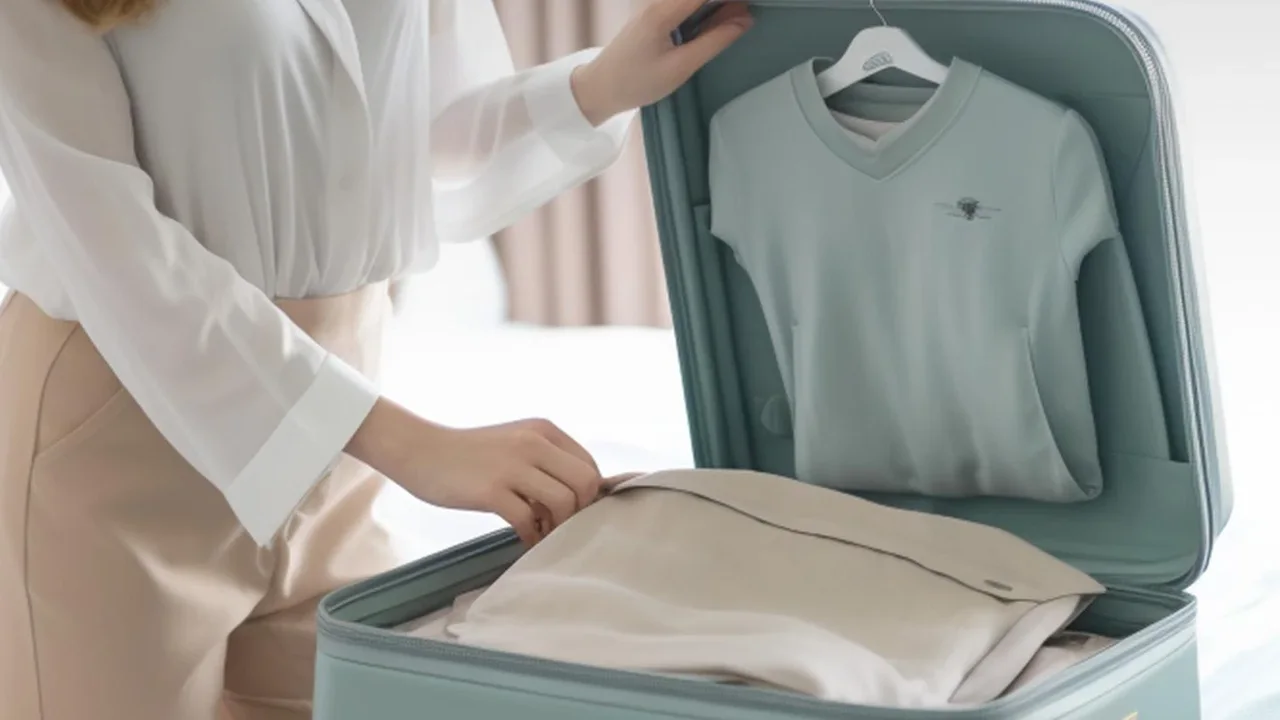
Once you have your curated collection of versatile items, how you pack them matters. Using packing cubes can help you organise your layers and compress your clothing, saving valuable space. Rolling your clothes instead of folding them is another proven technique to minimise wrinkles and fit more into your luggage. Start by laying out everything you think you need, then edit ruthlessly. Ask yourself if each item is versatile and if you truly need it. Remember, 'just in case' items are often the ones that never leave the suitcase.