






The Data Tsunami
India's cloud computing market is expanding at a breakneck pace, with some estimates projecting a compound annual growth rate of over 21%. This boom is fueled by a perfect storm of factors: widespread digital adoption, the rollout of 5G, a burgeoning
startup ecosystem, and government initiatives like 'Digital India'. As businesses and individuals move more of their lives online, the demand for data centers—the physical brains of the cloud—has skyrocketed. India's data center capacity has grown more than fourfold since 2020 and is projected to see a massive expansion by 2030, driven by cloud adoption and the rise of artificial intelligence. Major global tech companies are investing billions, building hyperscale facilities in hubs like Mumbai, Chennai, and Hyderabad to meet this demand.
The Energy Dilemma
Data centers are among the most energy-intensive buildings in the world. They run 24/7 and require a constant, reliable power supply not just for the servers themselves, but for the massive cooling systems needed to prevent them from overheating. The power demand from data centers in India is expected to grow significantly, with one estimate from the Central Electricity Authority projecting a need of about 17 GW by 2031-32. This surge poses a significant challenge to India’s energy grid and its ambitious climate goals, including achieving Net Zero by 2070. The rise of AI is compounding the issue, as AI workloads require racks of servers that can draw more than ten times the power of traditional cloud servers.
A Push for Green Power
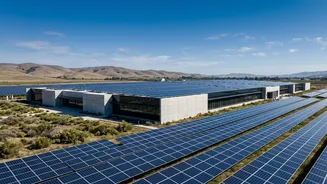
Recognizing the environmental stakes, both industry and government are pushing for a green transition. Data center operators are increasingly turning to renewable energy to power their facilities. Tech giants like Google, Amazon, and Meta are making large-scale renewable energy purchases in India, signing long-term power purchase agreements (PPAs) for wind and solar projects. AdaniConneX and CtrlS Datacenters are among the Indian players that have pledged to power their operations with a high percentage of renewable energy. Government policies are also creating a favorable environment, with many states offering subsidies, streamlined approvals, and better access to renewable energy for data centers that meet green standards.
The Cooling Conundrum
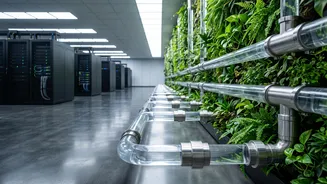
Cooling can account for nearly half of a data center's energy consumption, making it a prime area for innovation. Traditional air-cooling systems are struggling to cope with the heat generated by modern, high-density servers used for AI. This has sparked a rapid shift towards more efficient liquid cooling technologies. Methods like direct-to-chip cooling, where coolant is circulated directly over processors, are far more effective at removing heat. Immersion cooling, which involves submerging entire servers in a thermally conductive fluid, is another advanced solution being deployed. These technologies not only reduce energy consumption but also cut down on water usage—a critical concern in a water-stressed country like India, where traditional cooling towers can consume millions of litres daily.