
The Unwanted Stowaways
Every human carries a universe of microorganisms. On average, each small patch of skin hosts around a million bacteria. These microbes, along with fungi and other microscopic life, are an inescapable part of our biology and our environment. When we send
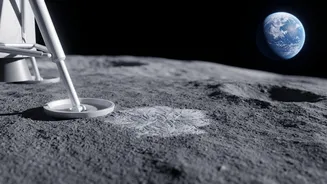
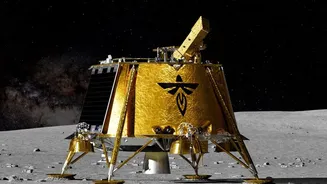
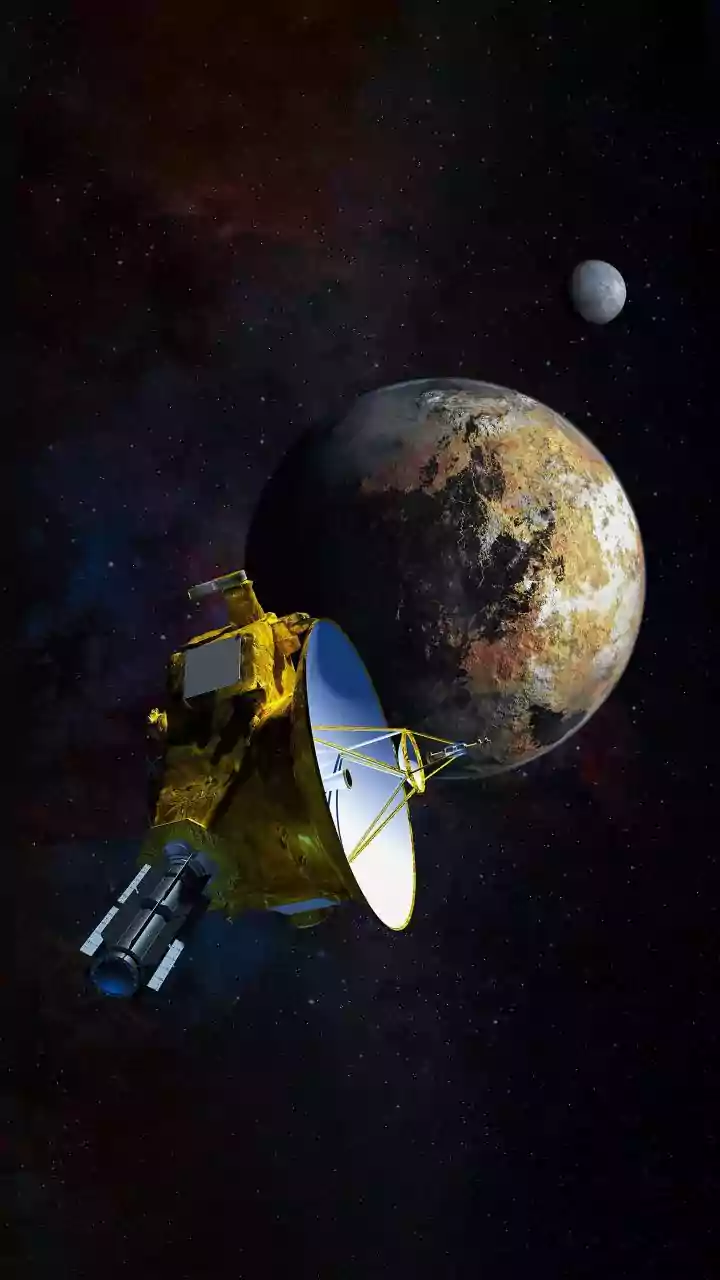
spacecraft, and especially humans, to the Moon, these organisms come along for the ride. This is known as forward contamination: the transfer of life from Earth to another celestial body. While spacecraft are often sterilized, it is impossible to eliminate every single microbe, especially on crewed missions. Some of these organisms can vent from spacesuits and habitats, potentially finding their way onto the lunar surface.
Why the Moon's South Pole is a Special Concern
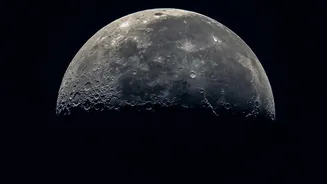
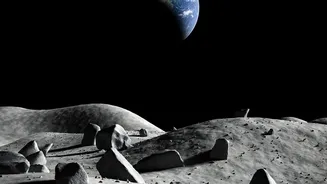
For decades, scientists believed the Moon's surface was too harsh for any Earth microbe to survive. Extreme temperature swings, a near-perfect vacuum, and intense, unfiltered ultraviolet (UV) radiation from the Sun create a lethal environment. However, recent studies have shifted this understanding, particularly concerning the Moon's south pole — the target destination for upcoming missions like Artemis. Due to the Moon's slight axial tilt, some deep craters and geological depressions at the poles are permanently shadowed. These regions have not seen direct sunlight in potentially billions of years, creating ultra-cold traps with temperatures as low as -200° Celsius and shielding them from sterilizing UV radiation.
Hardier Than We Thought
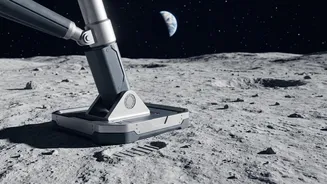
Recent NASA-led research published in August 2026 revealed that these permanently shadowed regions could be surprisingly habitable niches for certain hardy microbes. Scientists modeled the survival chances of several bacteria and fungi commonly found on spacecraft and associated with humans. The results showed that some microbes could survive for at least a day, and in some cases, for more than a week, in these protected lunar pockets. They wouldn't thrive or reproduce, but would enter a dormant state called cryptobiosis. Even a simple rover tread or an astronaut's bootprint could create a small, shadowed refuge sufficient for survival. Organisms like the fungus Aspergillus niger, common in household bathrooms, and the bacterium Deinococcus radiodurans, one of the most radiation-resistant organisms known, are of particular interest due to their incredible resilience.
The Scientific Stakes
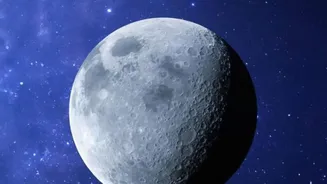
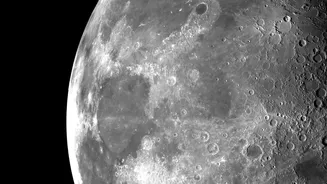
The primary concern is not that we will spark a runaway ecosystem of Earth life on the Moon. The real danger is scientific. The Moon is a pristine time capsule. Its rocks and dust contain a 4.5-billion-year-old record of the solar system's history, untouched by the geological and biological processes that constantly erase that history on Earth. Scientists hope to study this record to understand the origins of our solar system and perhaps even the building blocks of life. If we introduce Earth microbes—even dead or dormant ones—we risk contaminating this precious scientific resource. Their chemical signatures, proteins, and DNA could be mistaken for native lunar organic material, hopelessly confusing the search for the Moon's authentic chemical history and compromising future discoveries. Establishing a baseline of the Moon's environment before extensive human activity is critical.
A Duty to Explore Responsibly
This challenge is governed by international principles of planetary protection, rooted in the Outer Space Treaty of 1967. This framework calls on space-faring nations to avoid the "harmful contamination" of celestial bodies. For years, the Moon was considered low-risk, but the discovery of water ice and the potential for microbial survival in shadowed regions has led to stricter protocols. Missions to the lunar poles now have more stringent requirements to document and limit their biological and organic payload. As India's own Chandrayaan program continues to explore the Moon, and with plans for a sustained human presence from multiple nations, this issue becomes ever more pressing. The Moon offers a vital testing ground for developing the clean exploration techniques we will one day need on Mars, where the potential for finding past or present life is much higher.