




Understanding Cold Hydrotherapy
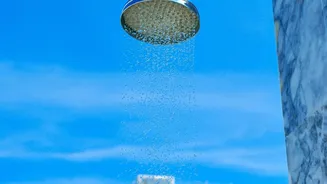
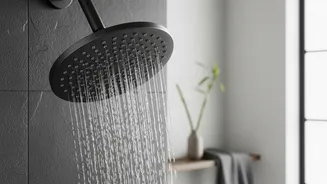
Cold hydrotherapy is the practice of using cool or cold water for therapeutic benefits. While it sounds modern, it’s a wellness tool with ancient roots, used by Greco-Roman societies to promote good health. Today, it ranges from finishing your daily shower
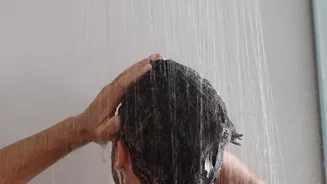
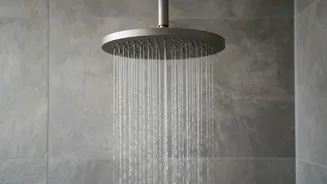
with a blast of cold water to full-body immersion in an ice bath. The core idea is to use the temperature as a deliberate, short-term stressor to trigger a cascade of positive physiological responses in the body. For most people, a cold shower with water below 15°C is an accessible starting point.
The Science of Sharpening Focus
The moment cold water hits your skin, your body's sympathetic nervous system—its 'fight-or-flight' response—kicks in. This triggers a significant release of norepinephrine, a neurotransmitter crucial for alertness, attention, and mood. Some studies show norepinephrine levels can increase by 200-300% or more. This surge sharpens your mental state, heightens focus, and increases alertness, making you feel more awake and ready for the day. Researchers have noted that participants in cold water studies often report feeling more active, attentive, and inspired immediately after. This rush of brain-boosting chemicals offers a natural way to gain mental clarity without the side effects of stimulants.
Building Long-Term Stress Resilience
It might seem paradoxical, but exposing your body to the acute stress of cold water can make you better at handling chronic, everyday stress. This process is known as hormesis. Regular cold exposure essentially trains your nervous system to manage stress more effectively. Studies suggest that with repeated exposure, the body's cortisol (the primary stress hormone) response becomes blunted. While the initial shock might spike cortisol, levels tend to decrease in the hours that follow, and with consistency, the body learns to release less cortisol in response to other daily stressors. Furthermore, cold water stimulates the vagus nerve, a key component of the parasympathetic nervous system, which governs your 'rest and digest' functions. Activating the vagus nerve helps lower your heart rate after the initial shock, promoting a sense of calm and helping your body return to a relaxed state more efficiently.
How to Begin Your Cold Shower Practice
Starting with cold hydrotherapy doesn't mean you have to endure a freezing ten-minute shower on day one. A gradual approach is key to building tolerance and making it a sustainable habit. One popular method is to take your normal warm shower and, at the end, turn the temperature down to cold for just 30 seconds. You can gradually increase this duration each week, aiming for two to three minutes of cold exposure. Another approach is contrast therapy: alternating between one minute of cold water and a few minutes of warm water, repeating the cycle three or four times and always ending on cold. Controlled, deep breathing is essential during the cold phase; it helps calm the initial shock response and makes the experience more manageable.
Important Safety Considerations
While generally safe for most healthy individuals, cold water immersion is not for everyone. The shock of the cold can put significant stress on the cardiovascular system, causing a rapid spike in heart rate and blood pressure. Individuals with pre-existing conditions such as heart disease, uncontrolled high blood pressure, Raynaud's syndrome, or a history of stroke should avoid cold plunges and consult a doctor before trying even cold showers. Similarly, pregnant women are advised to avoid this practice as its safety has not been established. Always listen to your body, start slowly, and never force yourself to endure extreme discomfort. If you have any underlying health concerns, a conversation with your physician is the most important first step.