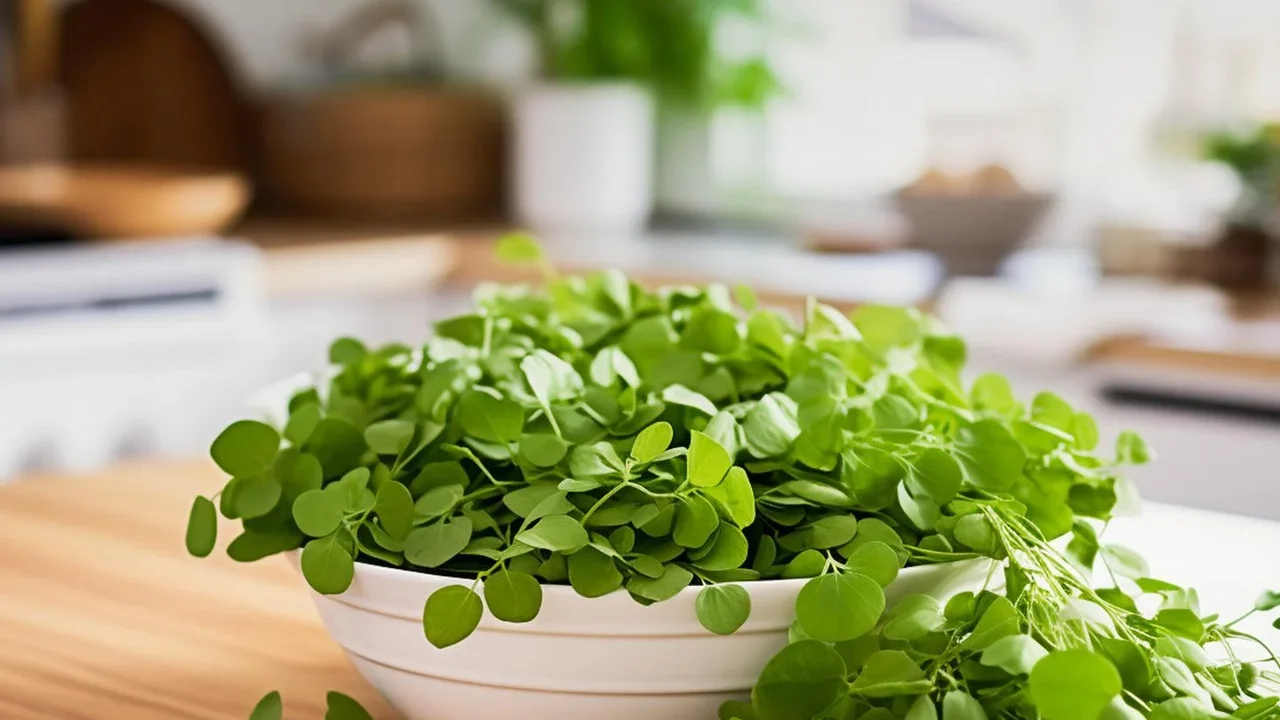




What Exactly Are Microgreens?
Don't confuse them with sprouts. While sprouts are germinated seeds grown in water, microgreens are the next stage of a plant's life. They are young vegetable greens harvested just after the first true leaves have developed. Think of them as the 'toddler'
version of plants like mustard, radish, or sunflower. Grown in a medium like cocopeat or soil and exposed to light, they develop a much deeper flavour and more complex nutritional profile than sprouts. The best part? You don't need a sprawling garden; a single sunny windowsill is all the real estate required.
The Nutritional Power Punch
For their tiny size, microgreens pack an astonishing nutritional punch. Research has shown they can contain anywhere from four to forty times more nutrients like vitamins C, E, and K than their fully grown counterparts. They are concentrated sources of essential minerals such as potassium, iron, and zinc, as well as beneficial plant compounds called antioxidants. This means that a small handful of radish or broccoli microgreens sprinkled over a dish doesn't just add colour; it significantly boosts the meal's nutritional value, helping to support everything from a healthy immune system to better skin health.
Your Windowsill Growing Guide
Starting your own microgreen farm is surprisingly simple and affordable. All you need is a shallow tray with drainage holes, a growing medium like cocopeat (which is light and holds moisture well), quality seeds, and a spray bottle. Simply fill the tray, moisten the cocopeat, and spread your chosen seeds evenly over the surface. For the first few days, cover the tray to create a dark, humid environment for germination. Once the seeds sprout, uncover the tray and place it on a windowsill that receives three to four hours of sunlight. Mist with water daily, and within 7 to 14 days, your greens will be ready to harvest with a pair of scissors.
Best Varieties for Indian Kitchens
The beauty of this trend in India is that many of the best microgreens have flavours we already know and love. Radish (mooli), mustard (sarson), and fenugreek (methi) are fantastic for beginners; they grow quickly and are very forgiving. Radish microgreens have a peppery kick perfect for sandwiches or garnishing chaat. Fenugreek microgreens offer a familiar nutty bitterness that elevates dal or parathas. Once you're comfortable, try sunflower microgreens, which have a wonderfully nutty taste and crunchy texture, or pea shoots for a sweet, fresh flavour ideal for salads.
Beyond the Garnish: A Flavour Revolution
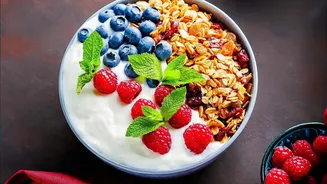
The biggest mistake is thinking of microgreens as just a pretty garnish. Their role in gourmet cooking is functional, adding distinct layers of flavour and texture. The spicy heat of mustard microgreens can cut through the richness of a creamy soup or curry. The sweet, fresh crunch of pea shoots can transform a simple salad or paneer bhurji. Urban foodies are moving beyond just sprinkling them on top; they are folding them into omelettes, blending them into chutneys, stuffing them into sandwiches, and using them to add a final burst of freshness to everything from poha to pasta. This immediate harvest-to-plate journey provides a flavour intensity that store-bought herbs simply cannot match.
The Joy of the Urban Harvest
For many, growing microgreens is about more than just food; it's a lifestyle. In space-starved city apartments, it reconnects people with the source of their food. It's the quiet satisfaction of nurturing something from seed to plate, the sustainability of reducing food miles to mere feet, and the simple joy of adding something you grew yourself to a meal. It's a small act of self-sufficiency that brings a touch of green into the urban concrete jungle. This movement is part of a larger trend in urban farming, where city dwellers are transforming balconies and rooftops into productive green spaces.