




The Allure of Ancient Paths
Greece’s hiking trails are more than just routes; they are historical artifacts. For centuries, these stone-paved 'kalderimia' and dirt paths were the primary transportation networks, connecting villages to ports, farms to markets, and sanctuaries to pilgrims.
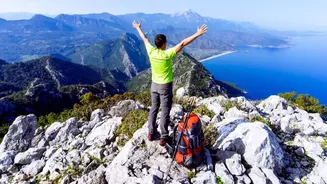
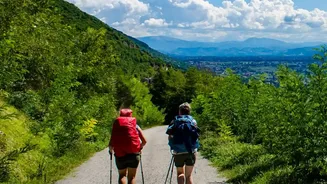
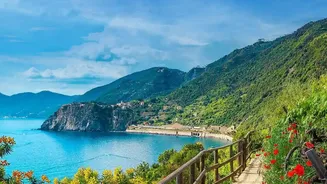
Today, walking them offers an immersive way to experience the country's legendary landscapes, from the mythical heights of Mount Olympus to the dramatic gorges of Crete. Famous long-distance routes like the European E4 path, which crosses mainland Greece and Crete, and the 75-kilometre Menalon Trail in the Peloponnese, guide hikers through diverse scenery. You can traverse lush river gorges, climb to cliff-side monasteries, and end the day in a traditional village far from the tourist crowds, feeling the same sun and stone underfoot as generations of Greeks before you.
The Challenge of Finding the Way
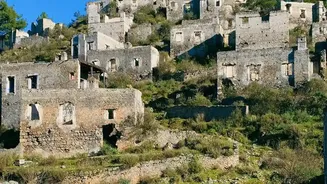
The romance of following an ancient path can quickly fade when the trail itself disappears. While some routes like the Menalon Trail are certified by the European Ramblers Association and well-maintained by dedicated volunteers, others are not so fortunate. Many of Greece's old paths fell into disuse with the arrival of modern roads, becoming overgrown and poorly marked. Responsibility for trail maintenance is often a patchwork of local municipalities, mountaineering clubs, and volunteer groups. A hiker might find a path perfectly signposted in one region, only to have the markers vanish in the next. This makes carrying detailed maps and a reliable GPS device essential, as inconsistent signage is a common issue. Furthermore, access isn't just about signs; it can involve navigating through private land or dealing with aggressive shepherd dogs, a known issue on some rural sections.
When the Skies Turn
The idyllic image of endless sunny days in Greece belies a more complex and potentially dangerous reality for hikers. The country's weather is a primary factor that demands respect and careful planning. During the summer months of July and August, blistering heatwaves can make midday hiking not just uncomfortable but life-threatening, with risks of heatstroke and severe dehydration. Even on cooler days, the intense sun at altitude is a significant hazard. The mountains create their own weather systems; a clear morning on Mount Olympus can give way to a sudden, cold afternoon thunderstorm with strong winds and lightning. In regions like Crete, flash floods can surge through gorges after heavy rain, making riverbed routes treacherous. Experienced local guides and hiking associations often warn visitors to avoid hiking during the midday summer heat and to be prepared for rapid weather changes at any time of year.
Walking with Wisdom
Successfully and safely hiking Greece's ancient trails comes down to preparation. The best hiking seasons are typically spring (April-June) and autumn (September-October), when the weather is milder and the landscapes are often at their most beautiful. Before setting out, checking a reliable weather forecast is non-negotiable. It's crucial to carry more water than you think you'll need, especially on exposed routes with little shade. Dressing in layers, including waterproof and windproof outer shells, allows you to adapt to changing mountain conditions. For lesser-known trails, consulting with local hiking clubs or hiring a guide can provide invaluable, up-to-date information on trail conditions. Several volunteer organisations also offer opportunities to help with trail maintenance, providing a unique way to give back to the paths you walk.