




The Unsung Hero on Your Plate
Dietary fibre is a type of carbohydrate found in plants that our bodies can't fully digest. This might sound like a drawback, but it's actually fibre’s greatest strength. As it moves through your system, it plays two crucial roles. Soluble fibre dissolves
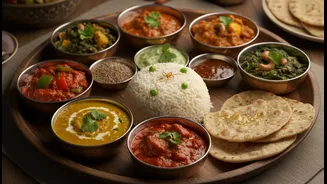
in water to form a gel, which slows down digestion. This helps prevent blood sugar spikes and keeps you feeling fuller for longer. Insoluble fibre adds bulk and helps things move along smoothly, promoting regular digestion. A high-fibre diet is associated with a feeling of fullness, which can help manage weight and reduce the tendency to overeat. Many traditional Indian meals are naturally rich in fibre; the key is to ensure these ingredients take centre stage.
Start with Whole Grains and Millets
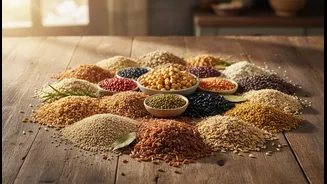
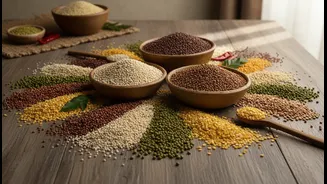
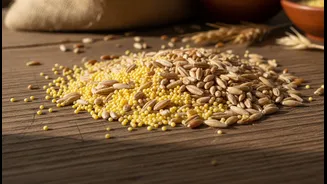
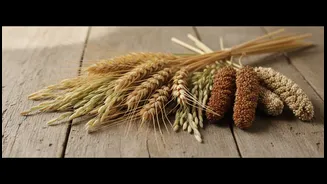
One of the simplest shifts is to choose whole grains over their refined counterparts. While white rice and maida have their place, whole grains retain their bran and germ, which are packed with fibre. Think about swapping regular atta for whole wheat atta that includes the bran, or even a multigrain mix with jowar, bajra, or ragi. Millets like ragi (finger millet), jowar (sorghum), and bajra (pearl millet) are traditional Indian powerhouses of nutrition. They can be used to make everything from rotis and bhakris to dosas and upma. Starting your day with a millet-based dish or ensuring your lunchtime roti is made from whole grains can significantly increase your fibre intake and keep you satisfied until your next meal.
Embrace Dals, Chanas, and Rajmas
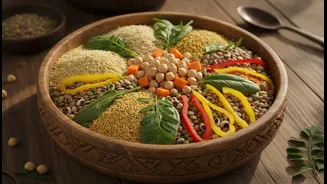
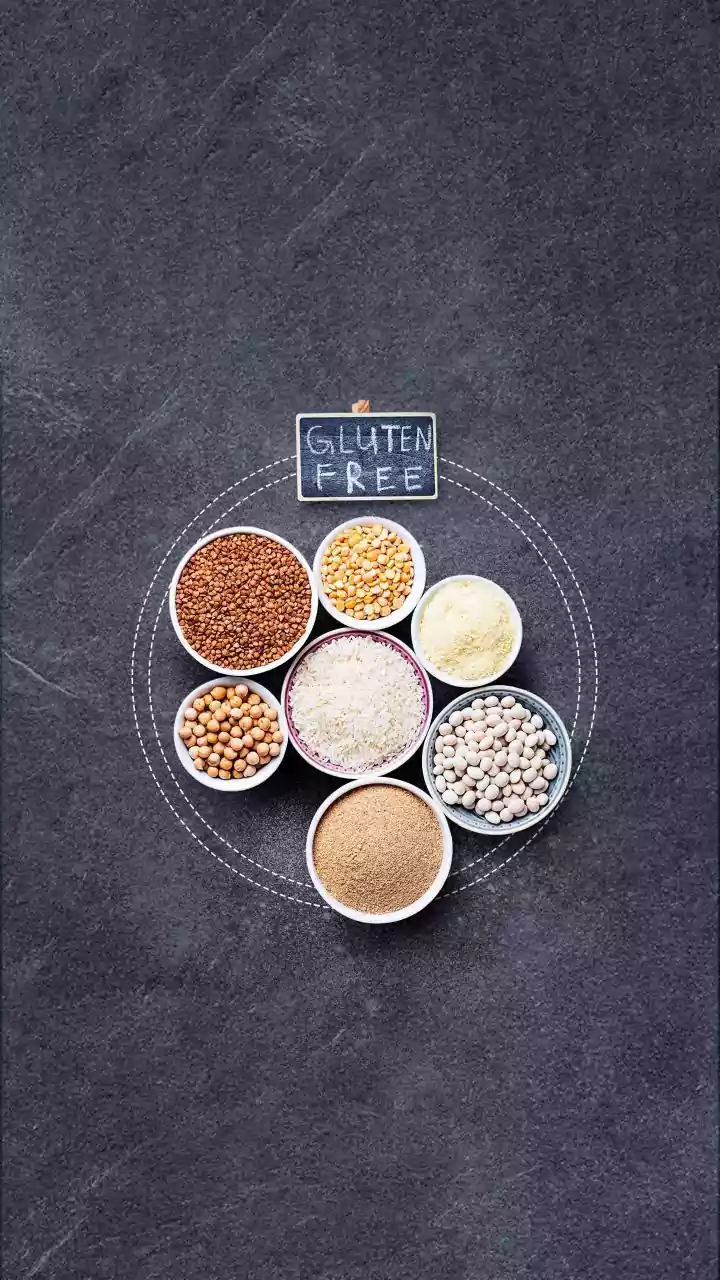
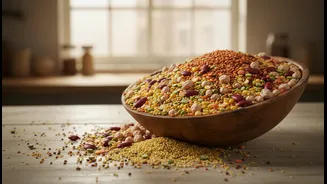
Lentils and legumes are the foundation of Indian cuisine for a good reason. Dals like moong, masoor, and toor, along with legumes like chana (chickpeas) and rajma (kidney beans), are excellent sources of both fibre and plant-based protein. This combination is particularly effective at promoting satiety. Instead of a small portion on the side, try making a dal or legume curry the star of your meal. A hearty bowl of rajma or chana masala served with brown rice or a millet roti is a complete and deeply satisfying meal. Sprouted legumes, used in salads or light curries, are another fantastic way to boost fibre.
Let Vegetables Take Centre Stage
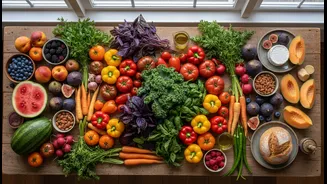
Vegetables are a core component of a fibre-rich diet, and Indian cuisine offers an incredible variety. Options like leafy greens (spinach, fenugreek), beans, peas, carrots, and gourds are all excellent sources. To maximise their benefits, try to fill at least half your plate with vegetables. Instead of overcooking them into a homogenous curry, try lightly sautéing or steaming to retain more texture and nutrients. Adding a simple kachumber (chopped salad) of cucumber, tomato, and onion to your meals provides a fresh, crunchy source of fibre. You can also discreetly add grated vegetables like carrots or cabbage to paratha fillings or upma.
Easy Upgrades for Everyday Meals
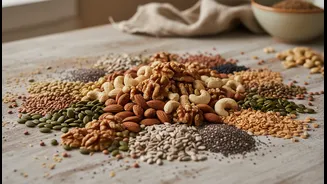
Increasing your fibre intake doesn't require a complete overhaul of your diet. Small, consistent swaps can make a huge difference. Choose whole fruits like guavas, apples, and bananas over fruit juices to get the full fibre benefit. For snacks, trade fried items for a handful of roasted chana, peanuts, or almonds. Sprinkling flaxseeds or chia seeds onto your morning dahi or smoothie is another simple trick. When preparing poha or upma, be generous with the vegetables like peas and carrots. These small additions enhance flavour and texture while significantly contributing to your daily fibre goals.