








Why Monsoon Weather Stresses Your Skin
The rainy season might bring cooler temperatures, but the high humidity sends your skin's oil glands into overdrive. This excess sebum mixes with sweat, dirt, and bacteria, creating a perfect storm for clogged pores, blackheads, and acne breakouts. The damp
environment is also an ideal breeding ground for fungal and bacterial infections, leading to itchiness and rashes. Many people make the mistake of trying to strip away the oil with harsh scrubs and aggressive cleansers. This damages the skin's natural barrier, ironically triggering even more oil production as your skin tries to compensate. The key is not to fight the oil, but to gently manage it.
Step 1: Switch to a Gentle Cleanser
Your first and most important adjustment is your face wash. Ditch the harsh, stripping cleansers and opt for a mild, pH-balanced, and sulphate-free formula. A gentle gel or light foaming cleanser will effectively remove grime, sweat, and excess oil without leaving your skin feeling tight or dry. Look for cleansers with ingredients like salicylic acid, which helps to gently exfoliate and keep pores clear, but ensure it's in a non-stripping base. Cleansing twice a day is sufficient; overwashing can disrupt your skin barrier and worsen oiliness.
Step 2: Hydrate with a Lightweight Moisturiser
It's a common myth that oily, sweaty skin doesn't need moisturiser during the monsoon. Skipping this step can actually dehydrate your skin, prompting it to produce more oil. The secret is to switch textures. Pack away your heavy creams and embrace lightweight, non-comedogenic (pore-clogging) formulas. Gel-based or water-based moisturisers are perfect for humid weather. Look for ingredients like hyaluronic acid, which hydrates the skin without adding weight or greasiness, leaving it feeling plump and balanced.
Step 3: Exfoliate, But Don't Overdo It
While exfoliation is crucial for removing the build-up of dead skin cells that contributes to dullness and clogged pores, a gentle hand is needed. Harsh physical scrubs can cause micro-tears and irritation, especially when skin is already sensitised by the humid weather. Instead, consider using a chemical exfoliant with ingredients like Alpha-Hydroxy Acids (AHAs) or Beta-Hydroxy Acids (BHAs) once or twice a week. These work to dissolve the bonds holding dead cells to the surface, revealing smoother skin without abrasive scrubbing.
Step 4: Never Skip Sunscreen
Don't let cloudy skies fool you; up to 80% of harmful UV rays can penetrate through clouds and rain. Sun exposure remains a risk for tanning, pigmentation, and premature ageing throughout the monsoon. The challenge is finding a sunscreen that doesn't feel heavy or greasy. Opt for a lightweight, gel-based, or fluid formula with a matte finish. A broad-spectrum sunscreen with at least SPF 30 is non-negotiable for daily use to protect your skin.
Step 5: Incorporate Targeted Treatments Wisely
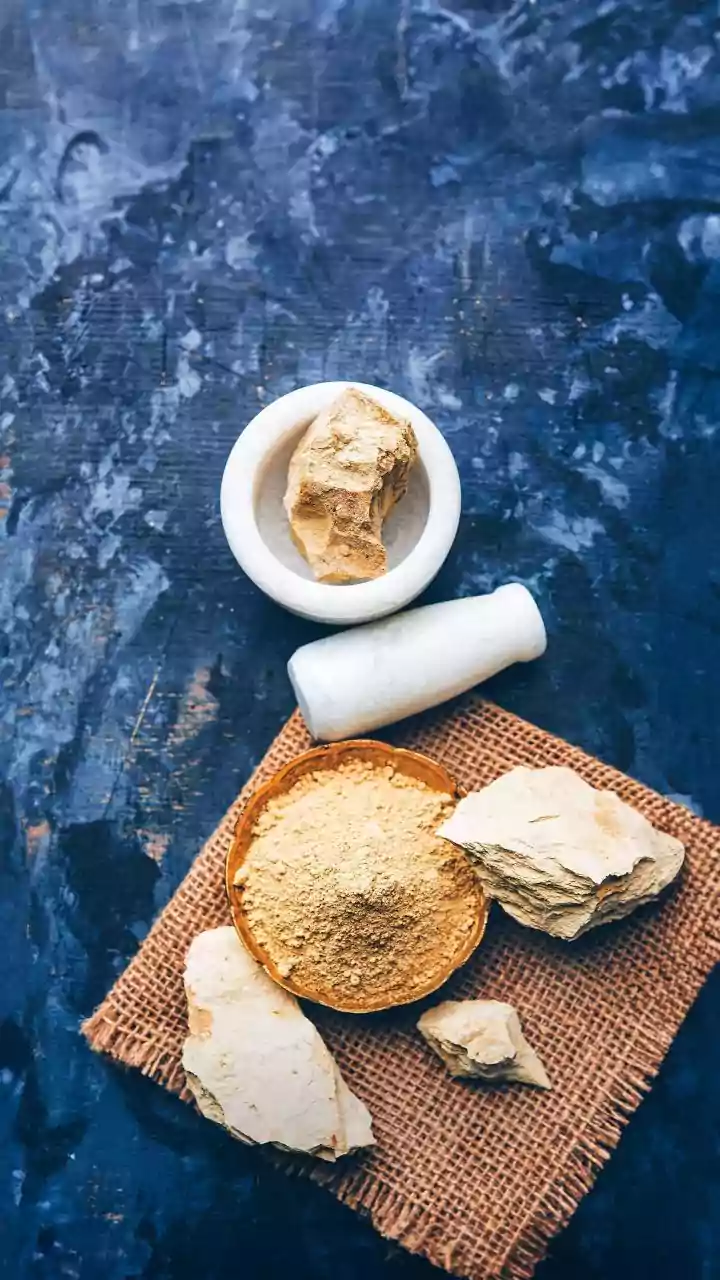
If your skin needs extra help, a lightweight serum can deliver potent ingredients without feeling heavy. Niacinamide is a standout ingredient for monsoon, as it helps regulate oil production, reduce inflammation, and improve the appearance of pores. Using a clay mask once a week can also work wonders to absorb excess oil and purify pores. For body care, pay attention to areas prone to sweat and friction, like underarms and skin folds. Using an antifungal powder can help prevent common monsoon skin infections.