








The Rise of the Pampered Pet
There has never been a better time to be a pet in India, at least from a market perspective. The country's pet care industry is experiencing explosive growth, with some projections suggesting the market could reach a staggering ₹2.1 lakh crore by 2032.
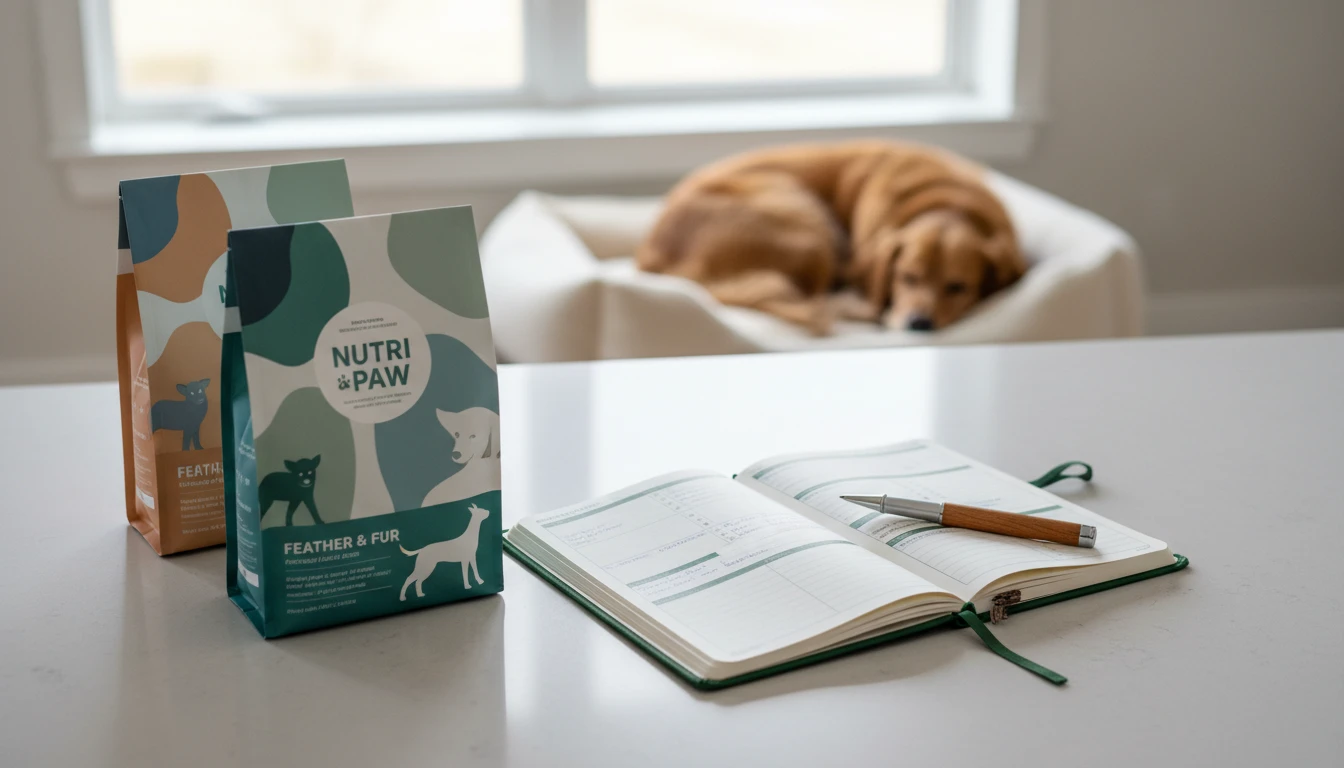
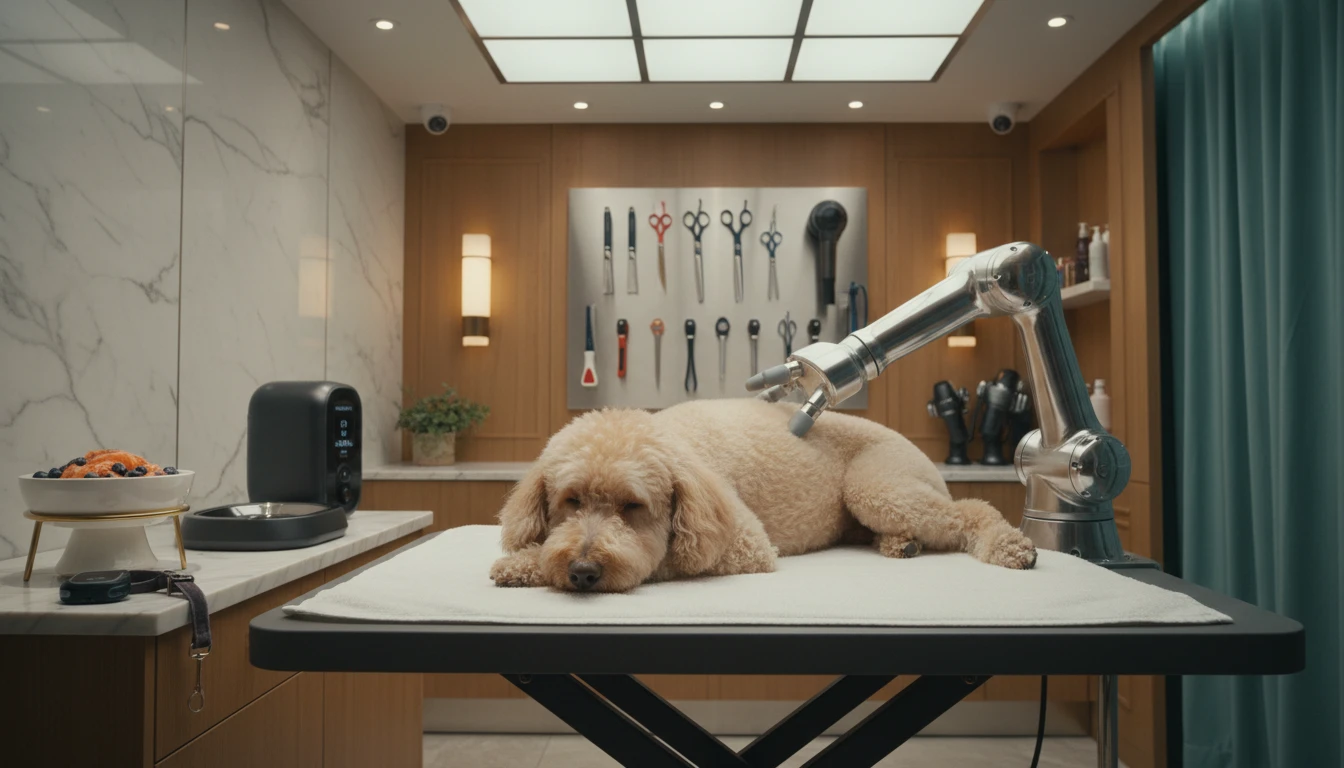
This boom is fuelled by a profound cultural shift: pets are no longer just animals, but cherished family members. This 'pet parent' phenomenon is driving a wave of premiumisation across the country. The evidence is everywhere. E-commerce platforms are seeing surging demand for everything from grain-free pet food to wellness supplements. Grooming salons offering specialised treatments can charge thousands for a single session. International luxury brands now offer pet accessories that cost more than a smartphone, from designer raincoats to crystal-studded harnesses. This isn't just a metro phenomenon; demand from Tier-II cities is growing even faster, pointing to a nationwide trend of wanting the best for our animal companions.
Beyond the Price Tag: What is Responsible Care?
While a handcrafted leash or a hypoallergenic bed can be wonderful expressions of love, they are not the foundation of good pet ownership. Veterinarians and animal welfare experts consistently point to a different set of priorities that define responsible care. At its core, this means committing to the animal's health and well-being for its entire life. This includes fundamentals like a nutritious, balanced diet appropriate for the pet's age and breed, which doesn't necessarily mean the most expensive option on the shelf. It involves consistent, preventive veterinary care—annual check-ups, timely vaccinations, and parasite control are non-negotiable. Furthermore, responsible ownership covers regular exercise and mental stimulation to keep a pet happy and prevent behavioural issues. It also includes proper training, socialisation, and ensuring a safe home environment. These elements form the bedrock of a healthy, happy life for a pet, long after the novelty of a new toy has worn off.
A Necessary Reality Check
The danger of the premium accessory trend is that it can distract from, or even create a false equivalency with, genuine care. A pet wearing a designer collar but suffering from an untreated skin condition is not well-cared for. A dog eating gourmet meals but lacking daily walks and mental engagement is not living its best life. This is where the headline’s ‘key limit’ comes into play. As more first-time pet parents enter the market, education around responsible ownership becomes a crucial check on pure consumerism. The monthly cost of responsible care—including good food, vet visits, and basic grooming—can range from a few thousand rupees to over ten thousand, depending on the pet's needs. This is a significant financial commitment. Prioritising this budget for health and wellness over discretionary luxury spending is the most important decision a pet parent can make. Investing in pet insurance, for example, offers far more practical value in a crisis than a high-fashion pet bed.
Investing in What Counts: A Pet Parent's Guide
So, how can a modern Indian pet parent navigate this complex landscape? The first step is to budget for the essentials. Before splurging on accessories, ensure you have a solid financial plan for quality food, annual vet bills, grooming, and an emergency fund. Build a relationship with a local veterinarian you trust; their guidance is invaluable and far more important than any online product review. Focus on investing time. Daily training sessions, playtime, and walks build a bond that no amount of money can buy. These activities are crucial for a pet's mental and physical health. When you do decide to spend extra, prioritise items that genuinely enhance your pet's well-being. This might mean an orthopaedic bed for an older dog, interactive puzzle toys for an energetic puppy, or a high-quality water filter for a cat, rather than just an item that looks good on social media.