



A Return to Roots and Authenticity
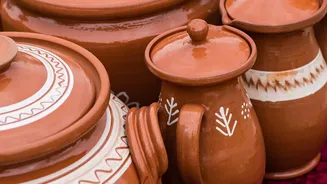
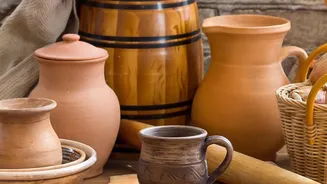
There's a quiet revolution happening in urban apartments across India. Amidst minimalist furniture and smart home gadgets, earthy terracotta and glazed stoneware are making a prominent appearance. For Generation Z, this isn't just about aesthetics; it's
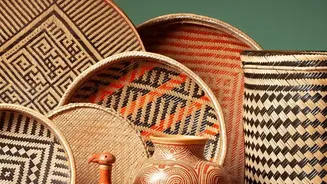
a deliberate choice. This demographic, digitally native and globally connected, is increasingly seeking authenticity and a tangible connection to their heritage. In a world saturated with mass-produced goods, handcrafted pottery offers a unique story. Each piece, shaped by an artisan's hands, carries a narrative of tradition and skill, a quality that deeply resonates with a generation that values purpose-driven consumption. This trend is a pushback against the impersonal, a way to infuse personal spaces with soul and character.
The Allure of Sustainability
The eco-friendly aspect of clay pottery is a major driver of its renewed popularity. Made from the earth itself, clay is a natural, non-toxic material. For a generation acutely aware of environmental issues like plastic waste and climate change, choosing sustainable decor is a core value. Studies show that a significant number of Gen Z consumers in India are willing to pay more for products that are ethically and sustainably made. Handcrafted pottery, often sourced from local artisans and communities in places like Khurja or Jaipur, fits perfectly into this ethos. It represents a move away from the carbon-heavy supply chains of global manufacturing and a step towards supporting local economies and preserving traditional craftsmanship.
A Modern Twist on Ancient Craft
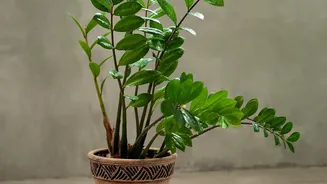
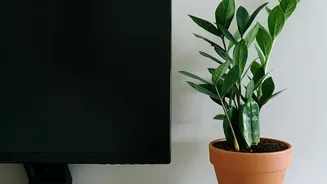
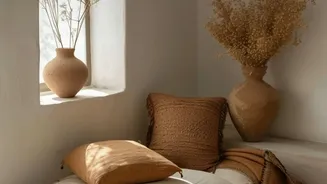
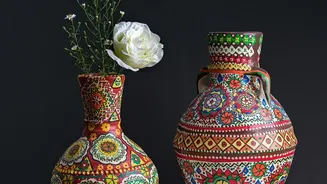
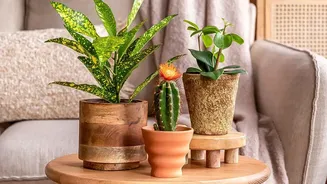
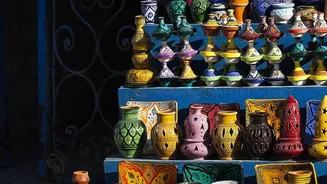
This isn't your grandmother's pottery. While the techniques may be ancient, the application is thoroughly modern. Young people are integrating these pieces into their apartments in fresh and stylish ways. Think sleek, minimalist planters holding lush greenery, hand-thrown ceramic mugs for morning coffee, or a statement terracotta vase as a centerpiece on a dining table. The versatility of pottery allows it to blend with various decor styles, from bohemian to minimalist. The natural, earthy tones of unglazed clay provide a warm, grounding element to a room, while vibrant, glazed pieces like Jaipur's blue pottery can add a pop of colour and artistic flair. Digital platforms like Instagram and Pinterest are flooded with inspiration, showcasing how these traditional items can be styled for a contemporary look, further fueling the trend.
The Mindful Appeal of the Imperfect
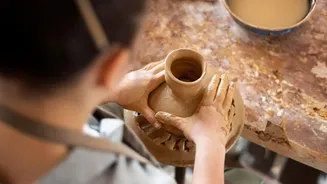
Beyond sustainability and style, there's a psychological appeal to clay. The very act of working with clay is known to be a mindful, stress-reducing activity. While not every Gen Z-er is throwing their own pots, they are embracing the philosophy behind the craft. The slight imperfections of a handmade object—the uneven rim of a mug, the unique texture of the glaze—are celebrated as marks of authenticity. This is the 'wabi-sabi' principle at play: finding beauty in imperfection. In an age of digital filters and curated perfection, owning something that is unapologetically handmade and unique is a powerful statement. It's a reminder to embrace the natural, the real, and the perfectly imperfect in our own lives and living spaces.