





The Foundation: Footwear and Rainwear
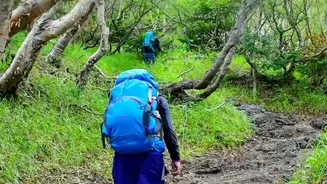
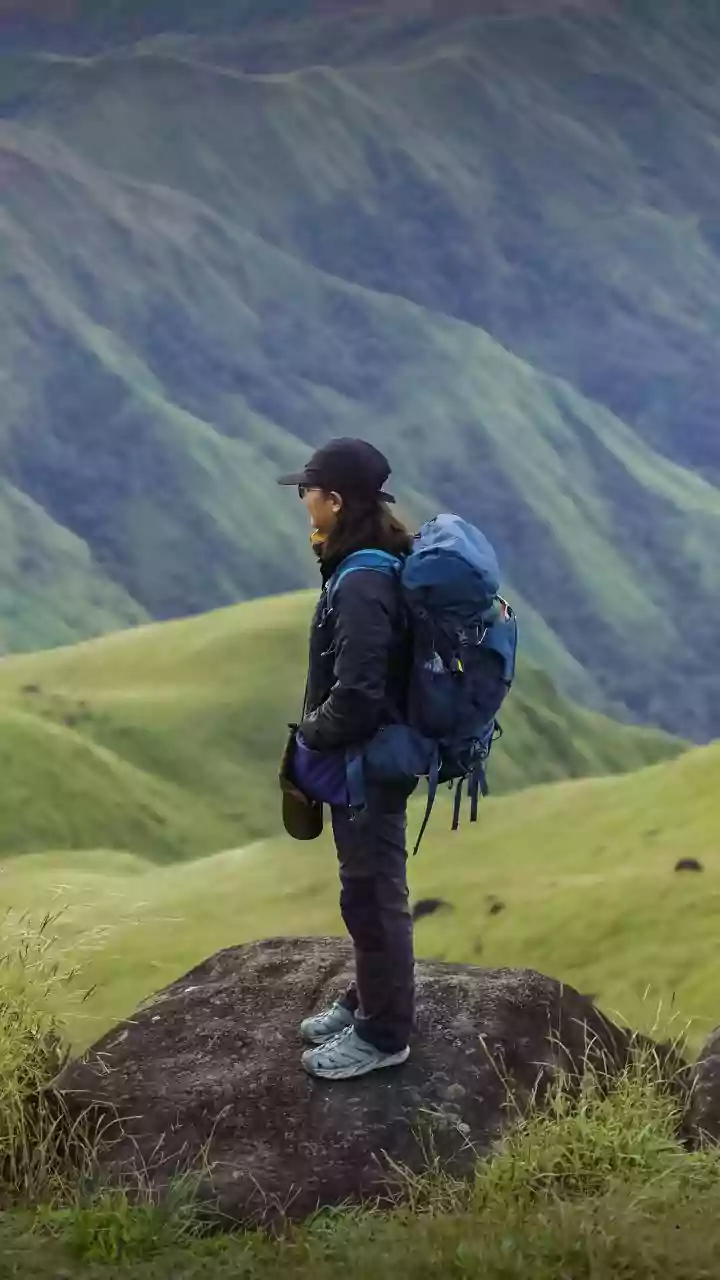
The single most important piece of gear for a monsoon trek is your footwear. Standard sports shoes won't do. You need trekking shoes with deep lugs for excellent grip on slippery, moss-covered rocks and muddy slopes. While waterproof boots can be effective
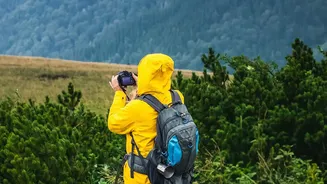
in light rain, many experienced trekkers prefer non-waterproof, quick-drying shoes. In the relentless rain of the Ghats, water will inevitably get in over the top of any boot; a breathable shoe will drain the water out instead of trapping it inside. Pair your shoes with waterproof socks to keep your feet dry and prevent chafing. Just as crucial is your rain protection. A high-quality poncho is often better than a rain jacket as it covers you and your backpack, providing superior protection from heavy downpours.
Essential Gear for Safety and Comfort
Beyond staying dry, your pack should contain several non-negotiable safety items. Trekking poles are vital for maintaining balance on treacherous descents and testing the stability of unseen ground. A headlamp is essential, even on a day trek, as fog and dense canopy can darken the trail unexpectedly. Always carry a basic first-aid kit containing antiseptic wipes, bandages, pain relief medication, and treatments for cuts and sprains. Given the prevalence of leeches in the wet foliage, carrying anti-leech socks or a small pouch of salt or sanitiser is advisable. Pack at least two litres of water and some high-energy snacks like nuts or energy bars to stay hydrated and fuelled. Finally, keep your electronics, spare clothes, and wallet safe in separate waterproof dry bags or ziplock bags inside your main pack.
Layering and What Not to Wear
What you wear is almost as important as what you carry. The golden rule of monsoon trekking is to avoid cotton at all costs. Cotton absorbs moisture, takes a very long time to dry, and will leave you feeling cold and uncomfortable, increasing the risk of hypothermia. Instead, opt for a layering system of synthetic, quick-dry fabrics. A synthetic t-shirt as a base layer, a light fleece for warmth if needed, and your waterproof poncho or jacket as the outer shell will keep you comfortable. Quick-dry trek pants are a must. Packing an extra set of dry clothes in a waterproof bag is a crucial safety measure for any trek.
The 'Leave No Trace' Philosophy
The stunning beauty of the Western Ghats is fragile. As visitors, we have a responsibility to leave the environment exactly as we found it. The 'Leave No Trace' principles are a simple set of ethics that help minimize our impact. The most fundamental rule is to pack out everything you pack in. This includes all food wrappers, plastic bottles, and any other litter. There are often no waste disposal facilities on trails, so carrying a small bag to collect your trash is essential. Leaving no trace ensures the natural beauty of the trails is preserved for wildlife, local communities, and future generations of trekkers.
Environmental Guidelines in Practice
Applying these principles is straightforward. Always stay on the marked trail. Taking shortcuts erodes the terrain and can damage delicate plant life. Be considerate of fellow trekkers and the serenity of nature by avoiding loud music or shouting. Let nature's sounds prevail. When it comes to sanitation, use designated toilet facilities where available. If not, walk at least 200 feet away from any water sources, trails, or campsites to relieve yourself, and dig a small hole for solid waste. Never use streams or waterfalls to wash with soap, as this pollutes the water source for people and animals downstream.
Respect for Wildlife and Local Rules
The Ghats are a biodiversity hotspot, and respecting wildlife is paramount. Observe animals from a distance and never feed them. Feeding wildlife can alter their natural behaviour and make them dependent on humans. Always be aware of local regulations. Some areas may be restricted during heavy monsoons due to risks of landslides or flash floods. Heeding the advice of local guides and forest officials is not just about following rules; it's about ensuring your own safety. They have an intimate understanding of the terrain and its dangers, which can change rapidly during the monsoon.