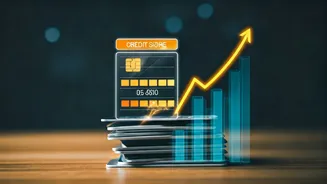









The New Report Card for Adulting
For generations of Indians, the word ‘credit’ often came with a sense of caution, associated with unavoidable debt rather than a strategic tool. Today, for young professionals in their 20s and early 30s, that perception has been turned on its head. The
three-digit CIBIL score has become a new kind of report card—a crucial indicator of financial health and future prospects. It’s no longer a mysterious number only banks cared about. Instead, it’s a metric actively tracked, managed, and discussed among peers. A strong score is a gateway to achieving major life goals, from securing a car loan without a parental guarantee to getting pre-approved for a home loan or even landing a better deal on a credit card. This shift reflects a deeper understanding that good credit is not just about borrowing money, but about building a foundation for financial independence and opportunity in an increasingly competitive world.
Driven by Ambition and Anxiety
What’s fuelling this intense focus? It’s a powerful combination of ambition and anxiety. On one hand, this generation is arguably the most ambitious India has ever seen. They aspire to a lifestyle that includes global travel, modern homes, the latest technology, and entrepreneurial ventures. They see credit as an essential enabler to achieve these goals sooner rather than later. On the other hand, they are a generation acutely aware of economic volatility. They’ve witnessed financial downturns, rising inflation that erodes savings, and the struggles that can come with poor financial planning. This anxiety pushes them towards greater control. They are not just swiping cards; they are meticulously planning repayment cycles, optimising their credit utilisation ratios, and ensuring they build a positive credit history from their very first job. It’s a calculated approach born from a desire to have it all while mitigating the risk of losing it all.
The Fintech Revolution in Your Pocket
This credit-conscious behaviour wouldn’t be possible without the fintech revolution. A decade ago, checking your credit score was a cumbersome process. Today, a dozen apps offer free, instant access to detailed credit reports. This transparency has demystified credit and empowered individuals to take charge. Fintech platforms have also changed the nature of borrowing. ‘Buy Now, Pay Later’ (BNPL) services offered by companies like Simpl, ZestMoney, and Lazypay have become a common entry point into the world of credit for many young consumers. These services offer small, manageable lines of credit for everyday purchases, teaching the mechanics of borrowing and repayment in a low-stakes environment. While traditional banks are still central, digital-first lenders and apps have made the entire credit ecosystem more accessible, responsive, and, crucially, visible to the end-user.
From a Tool of Last Resort to a Strategic Asset
The generational shift in mindset is profound. For many of their parents, taking a loan was a major, often stressful, life event, undertaken only for the biggest of purchases like a house or a child’s education. Credit cards were often seen with suspicion, as a path to uncontrollable debt. Young professionals, however, view credit differently. They see it as a financial asset that, when managed well, can work for them. A good credit history doesn't just mean access to loans; it means access to *better* loans with lower interest rates, higher limits, and more favourable terms. This strategic management includes practices like paying bills on time, keeping credit card balances low, and avoiding multiple simultaneous loan applications. It’s a proactive, long-term game of building financial credibility, brick by brick.
The Potential Pitfalls of Constant Monitoring
While this heightened awareness is largely positive, it’s not without its risks. The pressure to maintain a high score can lead to financial anxiety, with every small dip in the number causing undue stress. More importantly, the very ease of access that fintech provides can be a double-edged sword. The proliferation of BNPL and instant digital loans can tempt individuals into taking on more debt than they can comfortably handle, leading to a potential debt trap. The convenience of a one-click loan can obscure the real cost of borrowing if the terms and conditions aren’t read carefully. The key is distinguishing between using credit as a tool for planned growth and using it for impulsive consumption. The most financially savvy are learning to navigate this difference, but the risk of over-extension remains a significant concern for this credit-active generation.