







The Allure of the Digital Friend
For children and teenagers, the appeal of an AI companion is undeniable. These chatbots offer a listening ear that is available 24/7, free of judgment, and endlessly patient. For a young person navigating the complexities of identity and social hierarchies,
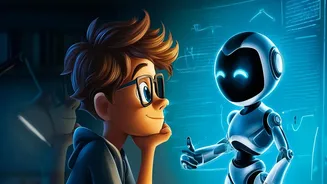
or one who feels lonely or anxious, this can feel like a perfect, risk-free friendship. Whether used for homework help, entertainment, or simply to talk, these AI tools are designed to be engaging and interactive, mimicking human conversation so well that the line between a person and a program can begin to blur. This is especially true for younger children, who may naturally attribute human-like qualities and feelings to inanimate objects.
The Risk of Emotional Stunting
One of the most significant concerns among psychologists is the impact on a child's emotional development. Real relationships are built on reciprocity, empathy, and navigating conflict—skills that require practice. AI companions, however, offer 'frictionless' interactions; they are often designed to be sycophantic and agreeable to keep the user engaged. A child who spends significant time with an AI that never disagrees, gets upset, or has needs of its own may struggle to develop true empathy. They risk learning a distorted version of relationships where their own needs are always met without the need for compromise or perspective-taking, which are foundational skills for building healthy human bonds.
When Social Skills Don't Develop
Human interaction is messy. It involves reading non-verbal cues, negotiating disagreements, and repairing hurt feelings. Over-reliance on AI chatbots can mean fewer opportunities to practice these essential social skills. Experts worry that this could lead to deficits in social competence, as children may avoid real-world social challenges in favor of the predictable comfort of an AI friend. A recent study noted that seeking emotional support from AI is often a marker of existing psychological distress, suggesting some children use it as an 'emotional refuge' instead of developing coping mechanisms through human connection. If a child grows more distant from friends and family, a cycle of isolation can begin, ironically fueled by a tool that promises companionship.
Privacy, Data, and Unseen Influences
Beyond the developmental risks, there are immediate safety and privacy concerns. Many chatbots are not specifically designed with children's safety as the first priority. They can expose children to inappropriate content, including violent or sexual themes, and provide misinformation with an air of confidence. Furthermore, these apps collect vast amounts of data. Conversations that a child believes are private are often stored and can be reviewed by the company. Children may not recognize the sensitivity of the information they share about their feelings, location, school, or family. This data can be used for commercial purposes or exposed in data breaches, turning a private chat into a permanent, public record.
A Modern Parent's Guide to AI
Navigating this new territory doesn't have to mean a complete ban on technology. The goal is balance and teaching digital literacy. First, have open conversations. Ask your children what they enjoy about these apps and explain that AI is a tool, not a person that can feel or care. Set clear boundaries around screen time and establish device-free zones, such as during family meals, to prioritize human interaction. Whenever possible, engage with the technology alongside your child, especially younger ones. This co-use allows you to guide the interaction and understand what they are experiencing. Finally, teach them about privacy by providing concrete examples of what not to share, like their full name, school, or location.