





The Desk Worker's Dilemma
The modern office job presents a unique challenge to our bodies. We are built to move, yet many of us spend eight or more hours a day in a chair. This sedentary lifestyle contributes to that all-too-familiar feeling of sluggishness, brain fog, and the
dreaded 3 p.m. slump. While it's tempting to reach for a sugary snack or a third espresso, these are just temporary fixes that can lead to bigger energy crashes later. The real issue often lies at a cellular level. Consistent lack of movement can impair our body's ability to produce and manage energy efficiently, leaving us feeling drained even after a full night's sleep. The answer isn't necessarily to start training for a marathon, but to introduce a specific type of movement that works with your body, not against it.
What is Zone 2 Cardio?
Forget grueling, high-intensity workouts that leave you breathless. Zone 2 cardio is all about exercising at a low-to-moderate intensity. In a five-zone heart rate scale, where Zone 1 is a very light effort and Zone 5 is an all-out sprint, Zone 2 is the sweet spot of sustainable movement. Typically, this means keeping your heart rate at about 60% to 70% of your maximum. But you don't need fancy gadgets to find it. The easiest way to know you're in Zone 2 is the "talk test": you should be able to hold a full conversation without gasping for air. If you can sing, you're likely going too easy (Zone 1). If you can only get out a few words at a time, you're pushing too hard (Zone 3 or higher). It's the pace of a brisk walk, a relaxed bike ride, or a slow jog.
The Science of All-Day Energy
The magic of Zone 2 lies in what it does for your mitochondria—the tiny powerhouses inside your cells responsible for generating energy. When you exercise at this moderate intensity, your body primarily burns fat for fuel. This process stimulates your body to not only become more efficient at burning fat but also to build more mitochondria. More mitochondria mean your body has a greater capacity to produce energy, not just during exercise, but all day long. Unlike high-intensity workouts, which are great for other goals but can be draining, Zone 2 training is low-stress and builds your aerobic base. This improves your overall endurance, so you don't just feel more energetic, but you also find that other physical activities become easier over time.
How to Fit Zone 2 into Your Workday
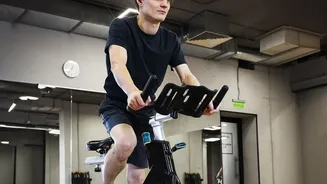
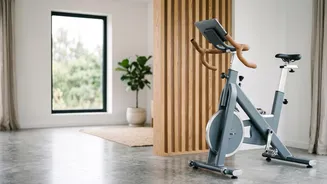
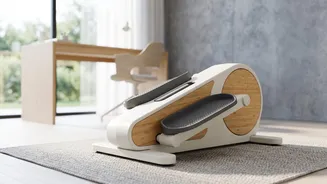
The beauty of Zone 2 is its accessibility. You don't need a gym membership or expensive equipment. For a desk worker, the goal is to break up long periods of sitting with sustainable movement. Start with a brisk 30-minute walk during your lunch break. Use a fitness tracker to monitor your heart rate, or just use the talk test to find a pace that feels comfortable and conversational. If you commute, consider parking further away or getting off public transport one stop earlier to build a Zone 2 walk into your daily routine. Even household chores like vigorous vacuuming or mowing the lawn can count. If you have access to a stationary bike or elliptical, these are excellent low-impact options for a 30-45 minute session while you listen to a podcast or take a call. The key is consistency. Aiming for a few sessions a week is a great starting point.