


The Beauty of a Balanced Menu
The secret to a stress-free festive celebration is not to cook less, but to cook smarter. A menu that cleverly mixes cooked and raw dishes is the key to unlocking a more relaxed and enjoyable hosting experience. The logic is simple: for every dish that requires
the stove or oven, you have another that just needs assembly. This approach instantly frees up precious cooking space and, more importantly, your time. Instead of a last-minute scramble to get everything hot and ready simultaneously, you can prepare many elements in advance. A balanced menu also introduces a delightful variety of textures and temperatures—the warmth of a curry next to the crispness of a fresh salad, or the creaminess of a dip with crunchy vegetable sticks. This contrast keeps the palate engaged and makes the entire meal feel more dynamic and thoughtful.
Smart Starters to Set the Tone
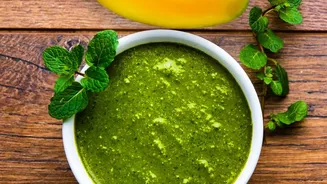
First impressions count, and appetizers are your opening statement. Rather than offering three different fried snacks that leave you flustered, pair one hot item with a vibrant, no-cook counterpart. Imagine serving hot-off-the-pan paneer tikkas alongside a colourful and refreshing sprouted moong salad. Or, consider pairing crisp, store-bought samosas with a homemade dip platter featuring hummus, and a cooling mint-yogurt raita served with carrot and cucumber sticks. Even a simple peanut chaat or a fruit chaat can be a delightful, easy-to-assemble starter that requires no cooking at all. These combinations are not only easier to manage but also provide a lighter start to the meal, ensuring guests have plenty of appetite for the main event.
Rethinking the Main Course Spread
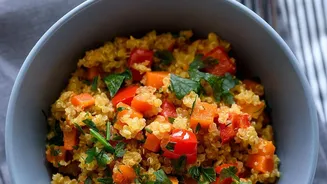
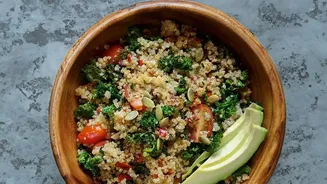
The main course is the heart of the feast, but it doesn't need to be a marathon of endless cooking. Instead of five different cooked sabzis and dals, focus on two or three 'hero' dishes, such as a rich dal makhani or a flavourful chicken korma. Then, build around them with substantial, complex raw dishes that can hold their own. A hearty quinoa or chickpea salad, a zesty raw papaya salad, or a crunchy cabbage slaw can be just as satisfying as a cooked vegetable dish. Don't underestimate the power of a well-made raita; a boondi raita or a cucumber and mint raita adds a cooling element that complements spicy mains perfectly. This strategy not only diversifies your menu but also ensures that not every dish is competing for a spot on the stove just before serving.
Salads That Steal the Show
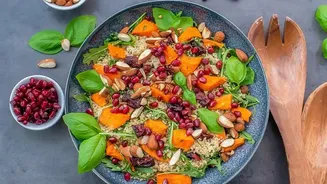
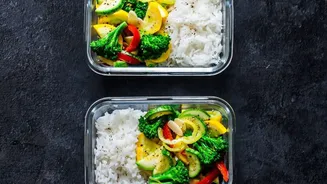
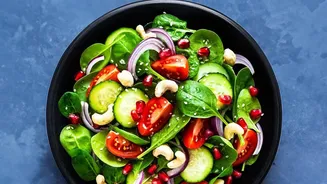
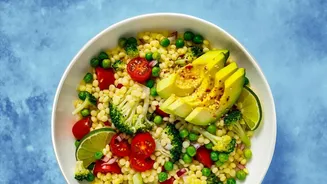
For too long, salads have been a token afterthought on festive tables. It's time to let them shine. A modern festive salad is a main event in itself, packed with flavour, texture, and visual appeal. Elevate a simple green salad with seasonal fruits like pomegranate or orange, toasted nuts and seeds for crunch, and a crumble of feta or paneer. A simple dressing made with lemon juice, olive oil, and herbs can tie everything together. Consider a 'high raw' rice salad, which combines a base of cooked rice with an abundance of fresh, raw vegetables for a dish that is both filling and refreshing. These substantial salads are not just side dishes; they are integral parts of the meal that provide freshness and balance to richer, cooked preparations.
Sweet Endings, No Oven Needed
Dessert is non-negotiable, but turning on the oven after cooking an entire feast can feel like a chore. This is where no-bake desserts come to the rescue. India's rich tradition of sweets offers plenty of options that don't require baking. Think of creamy shrikhand, fruit cream, or no-cook modaks made with dates, nuts, or coconut. A simple platter of fresh, seasonal fruits is always a winner. Modern no-bake desserts like a chilled lemon pie or a chocolate biscuit cake are also fantastic make-ahead options that will delight guests. These desserts can be prepared a day or two in advance, leaving you with one less thing to worry about on the day of the party.