






The Monsoon Kitchen Challenge
The rainy season in India creates a unique set of problems for home cooks. The spike in humidity, which can range from 70% to 90%, creates an ideal environment for mold and bacteria to thrive. This accelerates the spoilage of fresh produce, makes dry
goods like biscuits and spices go soggy, and increases the risk of foodborne illnesses. As a result, household food waste can increase significantly during these months. The key is not just to cook, but to cook smartly, planning meals and storing ingredients with extra care to combat the dampness.
Smart Storage is Your First Defence
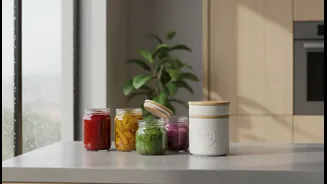
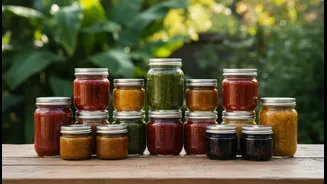
Your first line of defence against monsoon-related spoilage is proper storage. Transfer dry goods like grains, pulses, spices, and even biscuits from their original packaging into airtight containers immediately. Glass or steel jars are particularly effective at keeping moisture out. For vegetables, wash and dry them thoroughly before refrigerating. Some suggest a soak in salt water can help remove pests common in monsoon produce. Leafy greens can be wrapped in paper towels to absorb excess moisture and keep them crisp. A clean and well-organised refrigerator also prevents cross-contamination and ensures better air circulation.
Embrace Hearty and Forgiving Produce
While delicate leafy greens might not last long, the monsoon is a great time to embrace heartier vegetables. Root vegetables like potatoes, sweet potatoes, and yams, along with gourds, are more resilient to the humid conditions. Dishes like Aloo Gobhi, a classic comfort meal, are perfect for this season. Planning your meals around seasonal and hardy produce not only reduces the chances of spoilage but also connects your cooking to tradition. These vegetables are versatile, forming the base of everything from simple stir-fries to rich curries.
Give Leftovers a Delicious Second Life
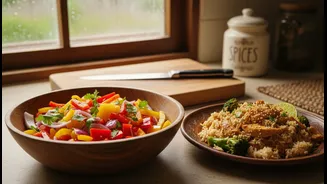
Reducing waste often comes down to creativity with leftovers, a practice long embedded in Indian regional cooking. A bit of leftover sabzi can become a delicious filling for a grilled sandwich or a paratha. Day-old dal can be mixed with besan (gram flour) and spices to create crispy pakoras, a quintessential monsoon snack. Plain leftover idlis can be transformed into a flavourful masala idli fry, perfect for breakfast or an evening treat. Even a simple bowl of rice mixed with leftover gravy or vegetables can become a quick and satisfying masala rice.
The Comfort of One-Pot Meals
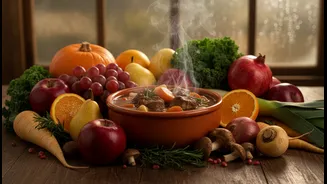
Rainy days call for food that feels like a hug in a bowl, and one-pot meals are the answer. They are not only comforting and easy to make but also an excellent way to use up various ingredients that might otherwise go to waste. Khichdi is the ultimate Indian comfort food, a simple, warm, and nourishing mix of rice and lentils. A vegetable pulao can incorporate all the assorted veggies in your crisper drawer, while a hearty dal is a staple for a reason. These dishes require minimal effort and leave you with fewer dishes to wash, a welcome bonus on a lazy, rainy day.
Don’t Trash the Scraps
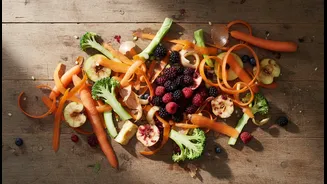
Indian cooking has a long tradition of using ingredients from root to leaf. Before you toss those vegetable peels and stems, consider their potential. Peels from vegetables like bottle gourd and ridge gourd can be turned into delicious chutneys. Even watermelon rind can be cooked into a sabzi, a common practice in Gujarat. The stems and tough leaves of cauliflower or coriander can be saved in a freezer bag along with onion skins and carrot peels to make a flavourful vegetable stock for your next soup or curry. This age-old wisdom not only cuts waste but also adds new layers of flavour to your meals.