






The Great Migration Reverses
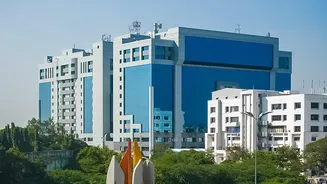
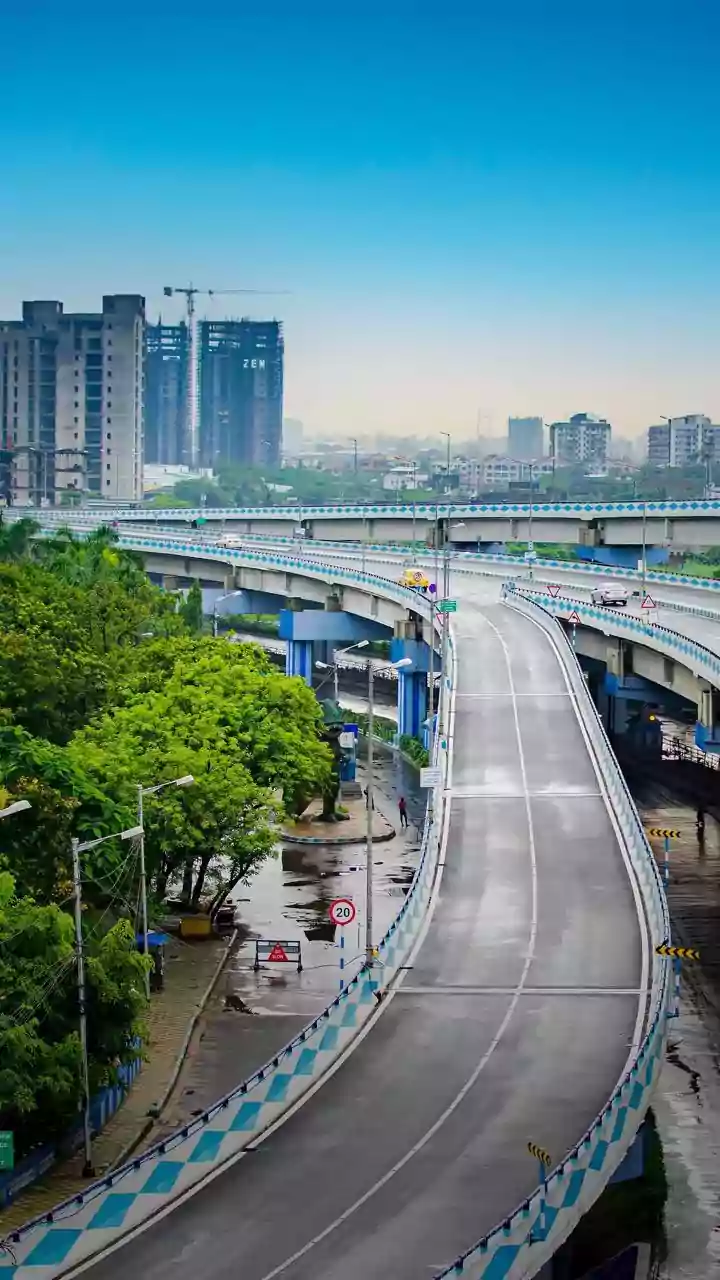
The long-established brain drain from India's smaller towns to its sprawling metropolitan hubs is beginning to flow in the opposite direction. A significant 'reverse migration' is underway, with thousands of skilled tech professionals choosing to leave
behind the congested, high-cost life of cities like Bengaluru and Hyderabad. This trend, accelerated by the widespread adoption of remote and hybrid work models post-pandemic, is now solidifying into a permanent feature of the economic landscape. Between January and September 2026 alone, an estimated 12,700 tech professionals returned to India from the US. This is not just about moving from one metro to another; it's a fundamental shift in where talent wants to live and work, opening up a new chapter for regional economies.
Beyond the Big Six: The Rise of Tier-2 Hubs
The focus of India's tech story is expanding beyond the traditional power centres of Bengaluru, Hyderabad, Pune, Chennai, Mumbai, and Delhi-NCR. A new constellation of cities is rising, including Jaipur, Indore, Coimbatore, Kochi, and Ahmedabad. These Tier-2 locations are rapidly transforming into vibrant tech ecosystems. They are no longer just satellite towns for low-end work but are becoming home to sophisticated operations in AI, data analytics, and product engineering. Reports show that active IT jobs in Tier-2 and Tier-3 cities have seen dramatic year-on-year increases, even as hiring in some major metros has dipped. This decentralization is a strategic move, not an accident.
What's Driving the Decentralisation?
Several powerful forces are fuelling this expansion. For companies, the logic is compelling: lower operational costs, reduced real estate expenses, and access to a fresh, untapped talent pool with lower attrition rates. Global Capability Centres (GCCs) of multinational corporations are a huge part of this, with over 220 units now operating in emerging locations, drawn by cost savings that can range from 25% to 50%. Government policy is another major catalyst. Initiatives like the Smart Cities Mission and Digital India have bolstered infrastructure, from high-speed internet to better airports, making these cities more attractive for investment. State governments are also competing fiercely, offering incentives like tax breaks and capital subsidies to lure tech firms.
A New Landscape of Opportunity
For young professionals, this shift means access to high-calibre jobs without the big-city sacrifices. The roles being created are not just in IT support but span the entire tech spectrum, from AI and cybersecurity to SaaS development and R&D. Startups are also a significant part of the story, with around 50% now operating from Tier-2 and Tier-3 cities, fostering a culture of innovation far from the traditional hubs. This creates a virtuous cycle: the arrival of major companies and GCCs stimulates the local startup ecosystem, which in turn creates more diverse and exciting career paths for returning talent. Professionals are finding leadership roles in AI startups, SaaS firms, and deep-tech ventures, fundamentally reshaping India's engineering and management landscape.
More Than a Paycheque: The Quality of Life Factor
The decision to return is about more than just a job; it's a lifestyle upgrade. Professionals are trading gruelling commutes and high rents for a lower cost of living, more space, and the invaluable benefit of being closer to family and community. While salaries may not always match the absolute peaks of US or metro markets, the overall financial and personal well-being is often significantly higher. This holistic appeal is a powerful magnet. As these regional hubs mature, they are not just offering jobs but a more balanced and sustainable way of life, proving that a successful career and a fulfilling personal life do not have to be mutually exclusive.