





What makes a passport powerful? For years, the answer was simple: how many countries it lets you visit without a visa. But a new 'Happy Passports' study is changing the conversation by asking a more profound question.
A New Way to Measure Passport Power
The Happy Passports Index, published
by migration firm Global Citizen Solutions, argues that true passport value isn't just about mobility. It's about the combination of international access and the quality of life in your home country. The study analyses 50 countries, scoring them on four key pillars: wellbeing (how satisfied people are with their lives), freedom at home (civil liberties and personal choice), mobility (traditional passport strength), and overall prosperity, health, and safety. This creates a more holistic picture, recognising that a passport's strength is tied to the 'happiness' and freedom of the country that issues it. The core idea is that a great passport should offer its holder choices, both abroad and at home.
1. Finland: The Happiest of Them All
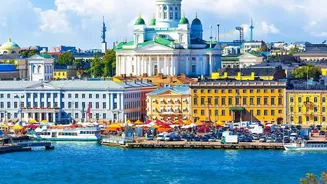
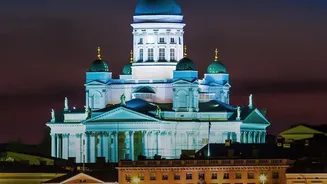
Topping the list is Finland, which scores an impressive 93.2 out of 100. This comes as no surprise to those who follow global happiness rankings, where Finland has consistently held the top spot for years. The Happy Passports Index shows that Finland is a leader because it excels in multiple areas. It is one of the few countries to rank in the top ten for both life satisfaction and traditional passport strength. The Finnish passport offers excellent mobility, while its citizens enjoy high levels of wellbeing and freedom, making it the best all-around performer in this new, broader definition of passport power.
2. Iceland: Where Freedom Reigns
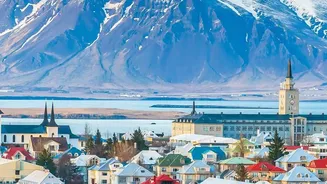
Coming in a close second is Iceland, with a score of 92.4. Interestingly, Iceland achieves its high ranking through a different path than Finland. While its passport is strong, ranking 20th in the sample for mobility, it truly excels in the 'freedom at home' category. Iceland ranks first for domestic freedom and is globally recognised as one of the most peaceful countries in the world. This highlights the index's core argument: powerful international access is valuable, but so is living in a society that offers security and a high degree of personal and civil liberty.
3. Denmark: A Masterclass in Balance
Denmark secures the third spot with a score of 92.1, showcasing a remarkable balance across all metrics. It is the only country in the entire index to rank in the top four on all four pillars: wellbeing, freedom, mobility, and prosperity. This means Danish citizens benefit from a passport that provides elite travel access (ranking third-strongest in the study), combined with a society that delivers top-tier life satisfaction and the second-highest civil liberties score. This consistent, high-level performance across the board makes Denmark a prime example of what the Happy Passports Index defines as a truly successful nation.
The Best of the Rest
Nordic countries dominate the top of the list, with Norway placing fourth. Switzerland rounds out the top five, demonstrating a strong combination of prosperity, health, and safety alongside a powerful passport. The top ten is almost exclusively European, with New Zealand and Singapore being the only exceptions, proving that a blend of high quality of life and strong mobility is a common feature among developed nations. However, the study also reveals interesting divergences. For instance, Portugal and Greece have powerful passports for travel but rank lower on life evaluation, while Costa Rica is one of the happiest countries but has a weaker passport.
Where Does India Fit In?
The Happy Passports study focuses on a sample of 50 countries, and while India is not explicitly detailed in the top rankings of this specific index, its position in traditional passport rankings provides some context. In most standard 2026 indices, which prioritise visa-free travel, the Indian passport typically ranks in the middle tier. This allows access to a moderate number of countries without a prior visa, often through visa-on-arrival or eTA schemes. The Happy Passports framework suggests that for a country to climb such a ranking, it would need to balance improvements in international mobility with enhancements in domestic factors like wellbeing, civil liberties, and overall prosperity for its citizens. It's a reminder that a passport's global standing is increasingly seen as a reflection of its domestic health.