



Start with a Strong Foundation
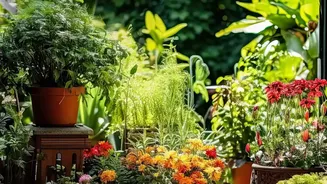
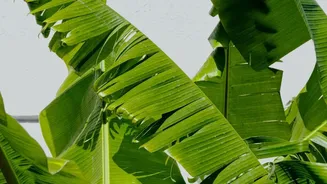
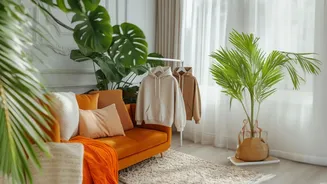
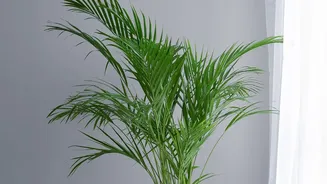
Every great tropical design begins with a solid structure. These are your large, architectural plants that create a canopy and establish the 'jungle' feel. Think of them as the bones of your garden. Good choices for this role include palms like the Areca
or Chinese Fan Palm, or hardy bananas that provide height and drama. In shadier spots, a Japanese Aralia offers large, glossy leaves without requiring intense sun. These taller plants not only set the scene but also provide a protective microclimate for smaller, more delicate plants you'll place underneath.
Layer with Bold Foliage
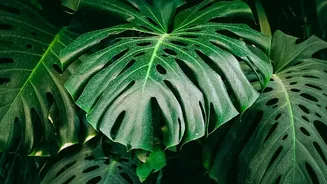
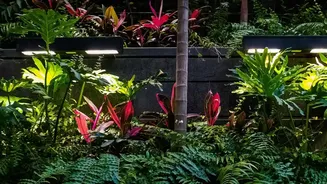
The hallmark of a tropical garden is its dense, layered look, which you can achieve by adding mid-sized plants with dramatic leaves. This is where you can truly play with texture and shape. Plants like Monstera Deliciosa, with its iconic split leaves, and various Philodendrons are essential for this middle layer. Don't overlook Elephant Ears (Alocasia or Colocasia), whose giant, heart-shaped leaves instantly scream 'tropical'. The key is to stagger these plants, placing them in groups rather than single rows to create a natural, immersive feeling of depth.
Introduce a Mix of Textures
A truly stunning tropical garden engages more than just one sense. Mixing different foliage textures—smooth, glossy, velvety, or spiky—adds a layer of sophistication and visual interest. Pair the broad, smooth leaves of a Rubber Plant with the feathery fronds of a fern. Place a plant with coarse, large leaves next to one with fine, strappy foliage like Spider Plants or certain grasses. This contrast prevents the garden from looking flat and one-dimensional, allowing each plant's unique form to stand out.
Inject Splashes of Colour
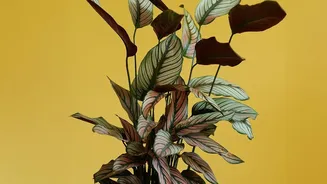
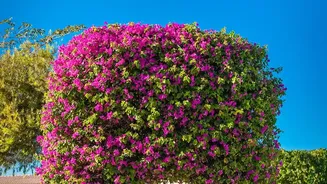
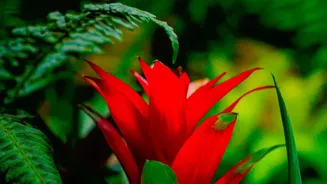
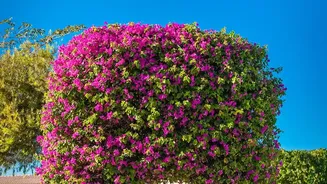
While green is the dominant colour, vibrant pops of colour are what bring a tropical garden to life. This colour can come from flowers or foliage. Hibiscus, with its huge, vivid blooms, and the exotic Bird of Paradise are classic choices for floral drama. For more consistent colour, turn to foliage. Crotons and Cordylines offer leaves in stunning shades of red, orange, pink, and yellow. Caladiums, with their paper-thin, patterned leaves, can brighten up shadier spots. Use these colourful plants strategically as accents to draw the eye and create focal points.
Mind the Essentials: Soil, Water, and Light
To keep your tropical paradise thriving, you need to replicate its native conditions. Most tropical plants prefer bright, indirect light; direct midday sun can scorch their leaves. They also require consistently moist but not waterlogged soil. The best soil mix is one that drains well, often containing peat moss and perlite. A good rule of thumb is to water thoroughly when the top inch or two of soil feels dry. Proper watering and light are crucial, as most issues like wilting or brown leaf edges stem from getting these basics wrong.