





A New Chapter for the Asiatic Lion
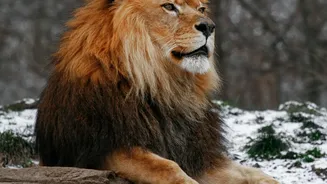
Historically a royal hunting ground, the Barda Wildlife Sanctuary was formally established in 1979. For decades, it was identified as a potential second home for Asiatic lions to relieve population pressure on the Gir National Park. That vision is now
a reality. After a male lion naturally migrated to the area in 2023, conservation efforts, including the introduction of several lionesses, have been successful. As of 2025, a small, breeding population of lions, including cubs, has been established in the sanctuary, marking their return after an absence of nearly 144 years. This development makes Barda a crucial site for the long-term conservation of the species.
Exploring the Trails and Landscape
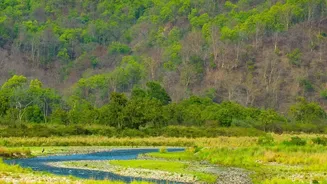
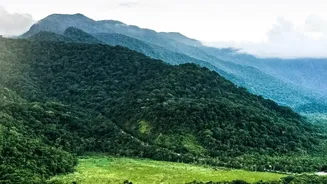
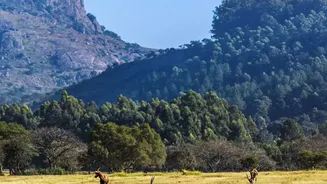
Barda’s terrain is rugged and diverse, featuring undulating hills, rocky outcrops, and dry deciduous forests. The sanctuary is threaded with two main rivers, the Bileshvary and Joghri, and contains vital reservoirs like the Khambala and Fodara dams that sustain its wildlife. While trekking is a popular activity, visitors typically explore the sanctuary via guided jeep safaris. In 2024, a regulated Barda Jungle Safari was launched, creating a more structured way to experience the forest. The initial safari route explores the scenic areas around the Kilganga River, offering opportunities to see the landscape's rich biodiversity. Some areas may require special permission from forest staff to enter, so it's essential to follow your guide’s instructions.
Wildlife and Flora to Spot
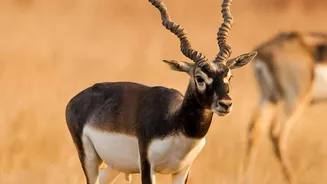
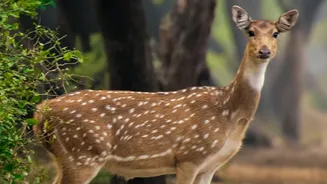
Barda boasts an impressive floral diversity, with around 650 plant species recorded, including valuable medicinal plants. The forests are a mix of babul, jamun, bamboo, and other native trees. Besides the famous lions, the sanctuary is home to a variety of other mammals. Leopards, striped hyenas, jackals, and wild boars are among the key species. It also supports a healthy population of herbivores like nilgai (blue bull) and chinkara. To bolster the prey base for the newly introduced lions, the forest department has also translocated spotted deer (chital) into the park. For birdwatchers, Barda is a rewarding destination, with species like the crested serpent eagle and spotted eagle making it an ornithologist's paradise.
Permits, Timings, and How to Book
Unlike some national parks, booking for the Barda Jungle Safari is currently handled offline. Visitors need to contact the Forest Department directly via phone to check for available slots and make reservations. The total safari cost has recently been published at around ₹2,200 per jeep (for up to six people), which includes the permit fee, guide fee, and vehicle charge. However, since tourism infrastructure is new and evolving, it is crucial to confirm the exact rates and procedures when you book. The safari is organised in morning and evening trips and is closed during the monsoon season, typically from mid-June to mid-October.
Planning Your Visit
The best time to visit Barda Wildlife Sanctuary is during the cooler, drier months from November to February. The weather is pleasant for safaris and nature walks during this period. The sanctuary is located about 15 km from Porbandar, which serves as the nearest major town for accommodation and other amenities. When visiting, wear muted, comfortable clothing and sturdy, closed-toe shoes suitable for uneven terrain. It is also highly recommended to carry your own water, light snacks, and a basic first-aid kit, as there are no facilities available inside the sanctuary. Following the guide’s instructions and maintaining silence will ensure both your safety and a more rewarding wildlife viewing experience.