








The Old Guard: Safety Over Returns
For generations, the Indian approach to money was governed by a single, powerful principle: security. Born from a time of economic scarcity and limited social safety nets, financial wisdom was passed down from parents to children with a clear message:
protect what you have. The preferred instruments were tangible and trusted—physical gold, property, and the ever-reliable Fixed Deposit (FD). The stock market was often viewed with suspicion, considered a form of gambling reserved for specialists or the reckless. The goal wasn't aggressive wealth creation but steady, predictable accumulation to fund life’s big milestones: a wedding, a child’s education, or building a family home. The financial conversation was dominated by caution, and risk was a four-letter word.
The New Playbook: Risk, Returns, and Reels
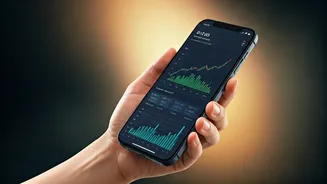
Today, that cautious playbook is being replaced by a far more dynamic one. For many Indians under 35, risk is not something to be avoided, but managed. They are digital natives who came of age with the internet, and their financial world is not the local bank branch but a sleek app on their phone. This generation is flocking to the stock market, not through traditional brokers, but through user-friendly discount brokerage platforms. The concept of Systematic Investment Plans (SIPs) in mutual funds has become a cornerstone of their financial planning, allowing them to invest small, regular amounts. This shift represents a fundamental change in psychology—from a savings mindset to an investment mindset. They are comfortable with volatility and are chasing returns that can outpace inflation, something traditional methods often fail to do.
The Tech Catalyst: Fintech and Financial Fluency
This transformation would be impossible without technology. The trinity of cheap data, widespread smartphone penetration, and the Unified Payments Interface (UPI) has democratised access to financial services. Fintech platforms like Zerodha, Groww, and Upstox have made investing as easy as ordering food online, tearing down old barriers of high fees and complex paperwork. Simultaneously, access to information has exploded. Where previous generations relied on a trusted family advisor, today’s youth turn to YouTube, Instagram, and financial blogs. This has led to the rise of 'finfluencers'—financial influencers who break down complex market concepts for a mass audience. While this increases financial literacy, it also introduces new risks, as not all advice is created equal.
More Than Just Money: A Shift in Life Goals
The changing money mindset is also a reflection of changing aspirations. The life goals of young Indians are diverging from those of their parents. While owning a home remains an ambition, it's often balanced with other desires like international travel, pursuing entrepreneurial ventures, or even early retirement—concepts grouped under the FIRE (Financial Independence, Retire Early) movement. Money is increasingly seen not just as a means of security, but as a tool for personal freedom and creating a desired lifestyle. This goal-oriented approach means they are more willing to use sophisticated financial products, including leveraging credit through 'Buy Now, Pay Later' (BNPL) services, to achieve their short-term and long-term objectives.
The Double-Edged Sword: Opportunity and Caution
This new era of financial engagement is a powerful engine for wealth creation and economic growth. A larger and more active retail investor base deepens capital markets and can fuel innovation. For individuals, it offers a credible path to financial independence. However, the path is not without its pitfalls. The ease of investing can lead to impulsive decisions, and the influence of social media can fuel speculative behaviour, especially in high-risk assets like cryptocurrencies and meme stocks. The key challenge for this generation is to balance their inherent optimism and risk appetite with the timeless principles of diversification, long-term thinking, and due diligence. The very tools that empower them can also expose them to significant losses if used without a proper understanding of the risks involved.