







The Monsoon Challenge
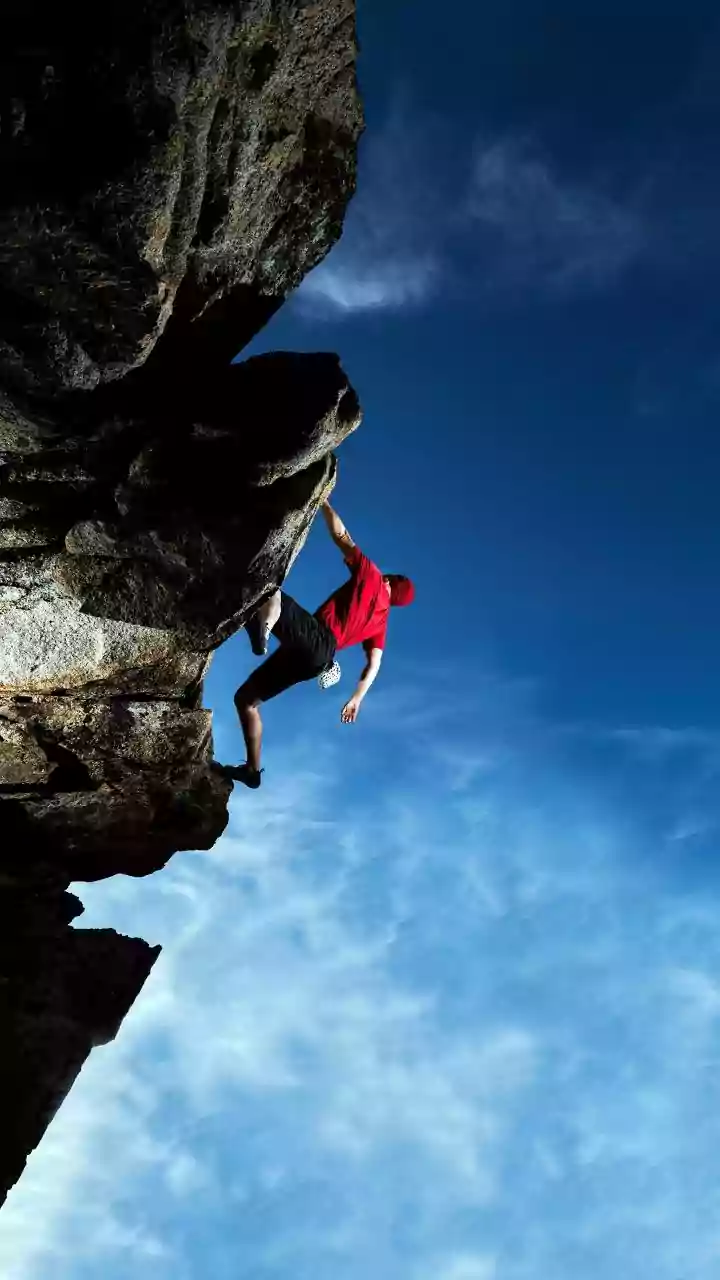
When the skies open up over the Indian subcontinent, most outdoor activities come to a halt. But in the world of rock climbing, a niche community sees the downpour not as an obstacle, but as an invitation. Monsoon climbing isn't just regular climbing in the rain;
it's a completely different discipline. The primary challenge is the lack of friction. Dry rock offers a gritty, reliable surface for hands and specialised shoes. Wet rock, however, is notoriously slippery and unpredictable. Holds that were once solid become treacherous, and the fine layer of algae and moss that blooms in the humidity adds another layer of difficulty. It demands a recalibration of a climber's most fundamental skills, forcing them to rely less on pure grip strength and more on body tension, balance, and a deep, intuitive understanding of pressure.
A Playground Reborn
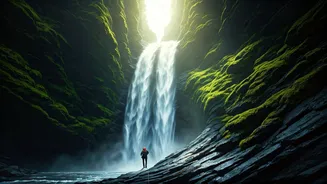
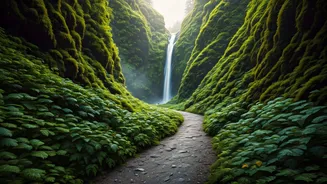
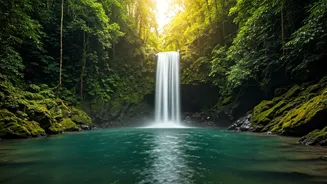
The epicentre of this unique sport is the Sahyadri mountain range, or the Western Ghats, particularly the crags and cliffs near Mumbai and Pune. During the dry months, these basalt rock faces are stark and brown. But with the first rains, they undergo a dramatic transformation. The landscape explodes into a thousand shades of green, and waterfalls cascade down cliffs that were barren just weeks before. This is the arena for the monsoon climber. Locations like Lonavala, Malshej Ghat, and Bhigwan become hubs for climbers seeking this specialised thrill. The familiar routes they climbed in the summer are now unrecognisable, presenting new puzzles to be solved. The goal is no longer just to reach the top; it's to master the route in its most difficult and dynamic state.
Technique Over Tenacity
Climbing in the monsoon requires a complete shift in technique and mindset. Climbers often switch to routes with larger, more positive holds, known as 'jugs', as smaller, friction-dependent holds ('slopers' and 'crimps') become almost useless. Movement becomes slower, more deliberate, and more focused on maintaining three points of contact with the rock at all times. The psychological game is intense. Every move is steeped in uncertainty. Climbers must have absolute trust in their gear, their belayer (the person managing the rope), and their own judgement. The mental fortitude required to stay calm and focused while rain is lashing down and the rock beneath your fingers feels like glass is as crucial as any physical strength.
Embracing the Risk
It goes without saying that this is an activity for highly experienced climbers only. The risks are magnified tenfold. Beyond the obvious danger of slipping and falling, there are other environmental hazards. Flash floods can suddenly swell rivers at the base of a cliff, cutting off retreat. The risk of hypothermia is real, even in the tropical climate, as climbers can be exposed to wind and rain for hours. Lightning strikes are a serious threat on exposed rock faces. Because of this, planning is meticulous. Climbers check weather forecasts obsessively, understand local water patterns, and always have backup plans. They often climb in tight-knit, experienced groups where every member understands the heightened stakes and possesses the skills for self-rescue.
The Vertical Rain Dance
So, why do it? Why seek out conditions that most people would actively avoid? The answer lies in the unique reward. For these climbers, it's a multi-sensory experience that borders on the spiritual. It’s the feeling of being utterly present, where the only thing that matters is the next move. It's the sound of the rain, the smell of the wet earth, and the surreal beauty of watching the world washed clean from a vertical perch. Conquering a route in the monsoon is a testament to skill, patience, and a profound connection with nature in its wildest form. It’s a feeling of accomplishment that a sunny day on a dry rock can’t replicate. It is, as one climber put it, like a 'vertical rain dance'—a celebration of movement, nature, and the human spirit's refusal to be deterred by a little water.