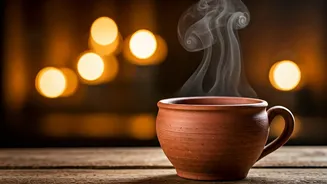




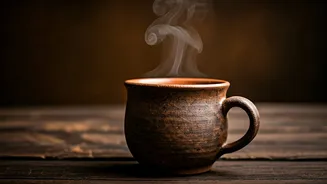

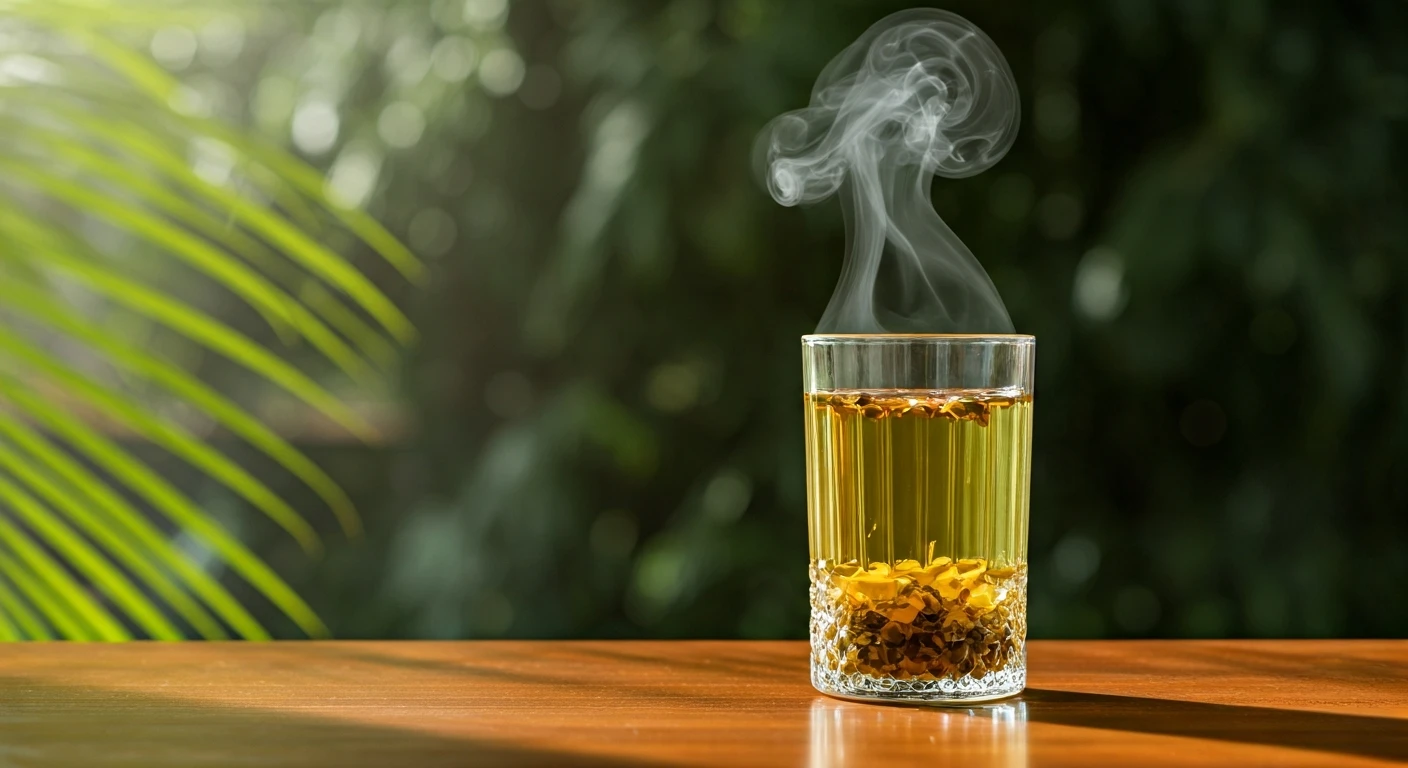


A Comforting Tradition in a Cup
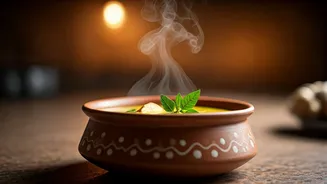
For countless households across India, the monsoon is synonymous with the simmering pot of kadha. This isn't a trendy new superfood drink; it's an age-old tradition, a humble yet potent herbal decoction passed down through generations. The word ‘kadha’
simply means ‘reduction,’ which is exactly what it is: a blend of herbs and spices simmered in water to extract their goodness. It’s the first thing a mother makes when a child sniffles, the gentle remedy an elder prepares to ward off a seasonal chill. Its return each year is less a product launch and more the quiet resumption of a cherished ritual, a liquid hug that signals care and protection against the damp and gloom.
Nature’s Pharmacy for the Rains
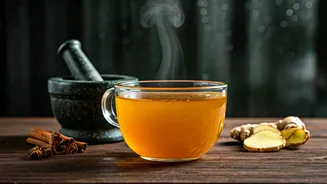
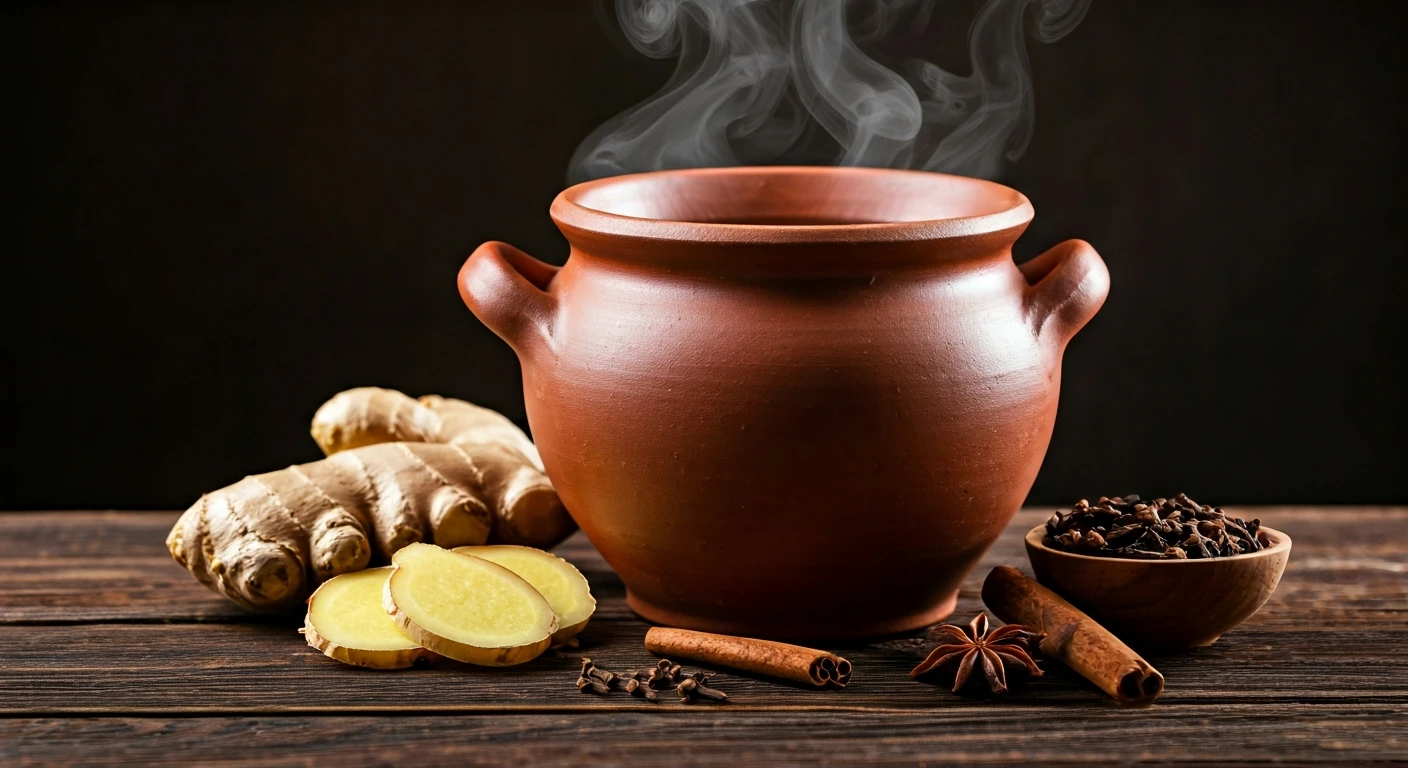
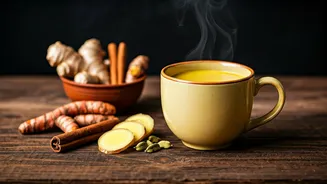
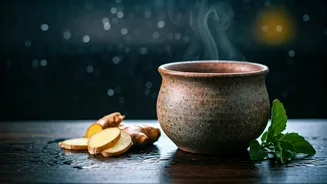
The magic of kadha lies in its ingredients, a veritable spice box pharmacy tailored for monsoon wellness. While recipes vary from family to family, a few core components are almost universal. Tulsi (holy basil) is revered for its immunity-boosting properties. Adrak (ginger) provides warmth and is traditionally used to soothe sore throats and aid digestion. Kali mirch (black pepper) helps clear congestion, while laung (cloves) and dalchini (cinnamon) are packed with antioxidants and lend a fragrant, warming spice. Often, a spoonful of shahad (honey) is added not just for sweetness but for its antibacterial properties that can soothe a cough. Each ingredient plays a role in what is traditionally believed to be a shield against the colds, coughs, and fevers that often accompany the rainy season.
More Than Just a Health Drink
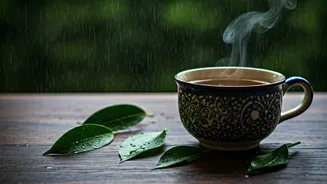
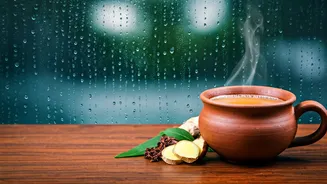
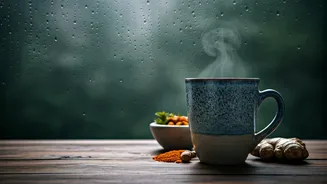
To label kadha as mere medicine would be to miss the point entirely. It is a sensory experience deeply woven into the cultural fabric of the monsoon. It’s the earthy aroma of spices filling the kitchen, a welcome contrast to the dampness outside. It’s the ritual of slowly sipping the hot, pungent liquid while watching the rain lash against the window. This drink embodies a sense of security and well-being. It represents the wisdom of our grandmothers, a simple, effective solution that predates modern pharmaceuticals. In a fast-paced world, the act of preparing and drinking kadha is a moment of pause—a mindful practice that connects us to nature, our heritage, and the simple acts of self-care.
How to Brew Your Own Monsoon Magic
Making your own kadha is wonderfully simple. Start with about two cups of water in a saucepan. Add a few leaves of fresh tulsi, a small piece of crushed ginger (about half an inch), 4-5 whole black peppercorns, 2-3 cloves, and a small stick of cinnamon. Bring the mixture to a boil, then reduce the heat and let it simmer for 10-15 minutes, or until the water has reduced by about half. This slow simmering process is key to extracting the flavours and beneficial compounds. Strain the liquid into a cup. Once it has cooled slightly, stir in a teaspoon of honey or a small piece of jaggery to taste. It’s best enjoyed warm. Feel free to adjust the spices based on your preference; some like it more gingery, others prefer the sweetness of cinnamon to shine through.
A Tradition That Continues to Evolve
While the classic recipe remains a favourite, kadha is not a static tradition. Many people now add their own modern twists. A stalk of lemongrass can introduce a refreshing, citrusy note. A pinch of turmeric can be added for its well-known anti-inflammatory benefits, effectively creating a hybrid of kadha and haldi doodh. Some pre-packaged kadha powders and tea bags are also available for convenience, proving that this ancient wisdom is finding new ways to fit into contemporary life. This adaptability is precisely why the tradition endures—it’s not a rigid prescription but a flexible framework for wellness that continues to be relevant.