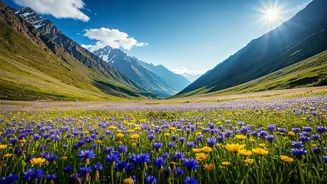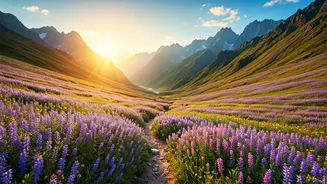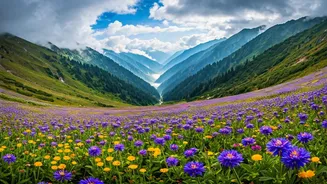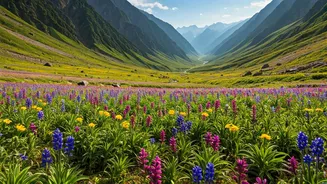



Why This Valley Is a World Apart
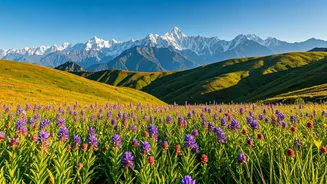
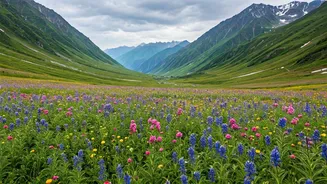
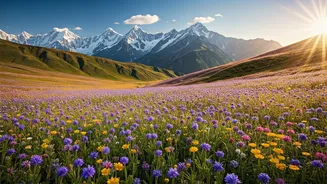
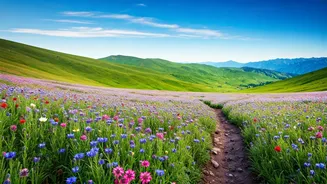
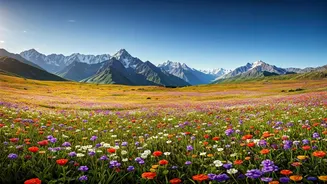
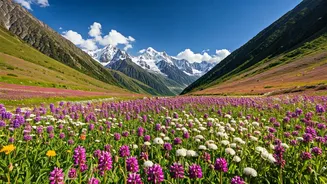
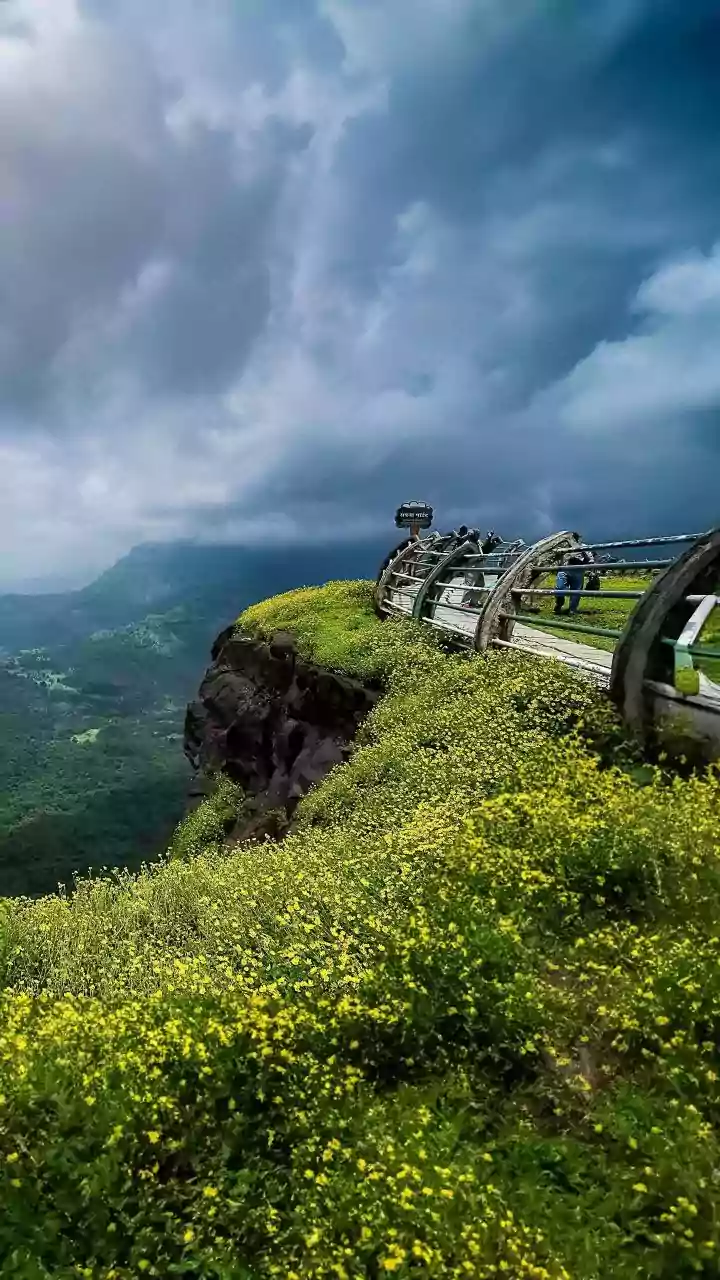
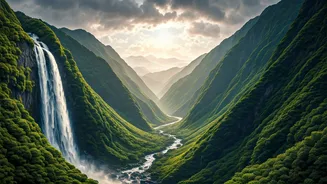
Forget manicured gardens. The Valley of Flowers National Park, a UNESCO World Heritage Site, is nature's untamed masterpiece. Nestled at an altitude of over 3,600 metres, this high-altitude valley transforms into a vibrant carpet of alpine flowers for just
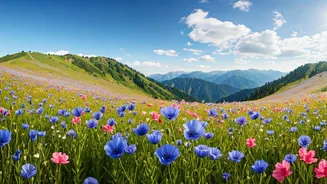
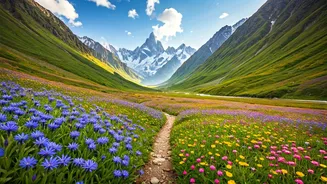
a few months each year. It’s not just a place; it's an experience. Imagine walking through meadows bursting with over 500 species of wildflowers, from the iconic blue poppy and Brahma Kamal to vibrant geraniums and potentillas, with snow-capped peaks framing the entire scene. It’s a trek that rewards every step with breathtaking beauty, making it a legendary destination for botanists, photographers, and anyone seeking a truly unique adventure.
The Crucial Window: When to Go
Timing is everything for this expedition. The Valley of Flowers is only accessible for a short period, typically opening on 1st June and closing around the first week of October. The exact dates can vary slightly each year based on snow conditions, so it's wise to check with the Uttarakhand Forest Department before finalizing plans. For the most spectacular floral display, plan your visit between mid-July and mid-August. This is when the monsoon rains have fully awakened the valley, and the bloom is at its absolute peak. While you'll have to contend with rain, the sheer density and variety of flowers during this period are unparalleled. Visiting in June offers clearer skies but fewer blooms, while September sees a different, post-monsoon floral palette and crisper weather.
The Journey: A 6-Day Outline
Planning feels less daunting when you break it down. Here's a standard itinerary: Day 1: Travel from Rishikesh/Haridwar to Govindghat/Pulna. This is a long, full-day drive (around 10-11 hours) through winding mountain roads. Stay overnight. Day 2: Trek from Pulna to Ghangaria (approx. 9 km). Pulna is the motorable road head. The trek to Ghangaria, the base camp for the valley, is a steady, scenic ascent that takes about 4-5 hours. Day 3: Trek to the Valley of Flowers and back (approx. 8-10 km round trip). You'll spend the day exploring the 3-4 km long valley before returning to Ghangaria for the night. Day 4: Trek to Hemkund Sahib (optional, but recommended). This is a steeper, more challenging trek (12 km round trip) to a stunning high-altitude Sikh gurudwara and glacial lake. It offers a different kind of spiritual and scenic reward. Day 5: Trek down from Ghangaria to Pulna and drive to a nearby town like Joshimath or Pipalkoti. Day 6: Drive back to Rishikesh/Haridwar.
Logistics: Reaching the Starting Line
Your journey begins long before the trek. The nearest airport is Jolly Grant in Dehradun (DED), and the closest major railway station is in Haridwar (HW) or Rishikesh (RKSH). From either of these hubs, you need to travel by road to Govindghat, the main town before the trek begins. You can hire a private taxi, which is the most convenient option, or take a shared taxi or state-run bus. The drive is scenic but long, so an early start is essential. The road now extends to a village called Pulna, which has become the new starting point for the trek, shaving off about 4 km from the old route.
Permits and Staying in Ghangaria
To enter the Valley of Flowers, you need a permit from the Forest Department checkpoint, which is located just after Ghangaria. The permit is valid for three days and has a fee for Indian and foreign nationals. Keep your ID handy. Ghangaria is the only place to stay for this trek. It’s a small, bustling settlement with basic guesthouses and hotels. Do not expect luxury; the accommodation is simple, offering essential comforts like a bed and, usually, hot water. It's advisable to book your stay in advance, especially if you're travelling during the peak season of July and August.
Packing for a Himalayan Expedition
Packing smart is key for a comfortable trek. Since you'll be trekking during the monsoon, waterproof gear is non-negotiable. Here's a quick checklist: - Footwear: Sturdy, waterproof trekking shoes with good grip. - Clothing: Quick-drying trekking pants, several layers of clothing (t-shirts, fleece jacket), and a high-quality waterproof and windproof jacket and pants. - Gear: A comfortable backpack (40-50L), a smaller daypack for the valley excursion, trekking poles, and a reusable water bottle. - Health & Safety: A personal first-aid kit with basic medicines, pain relievers, antiseptic wipes, and blister tape. Sunscreen and sunglasses are also essential for protection against UV rays at high altitudes.