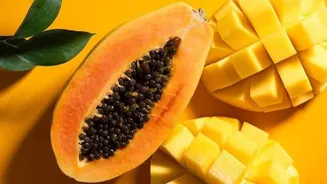

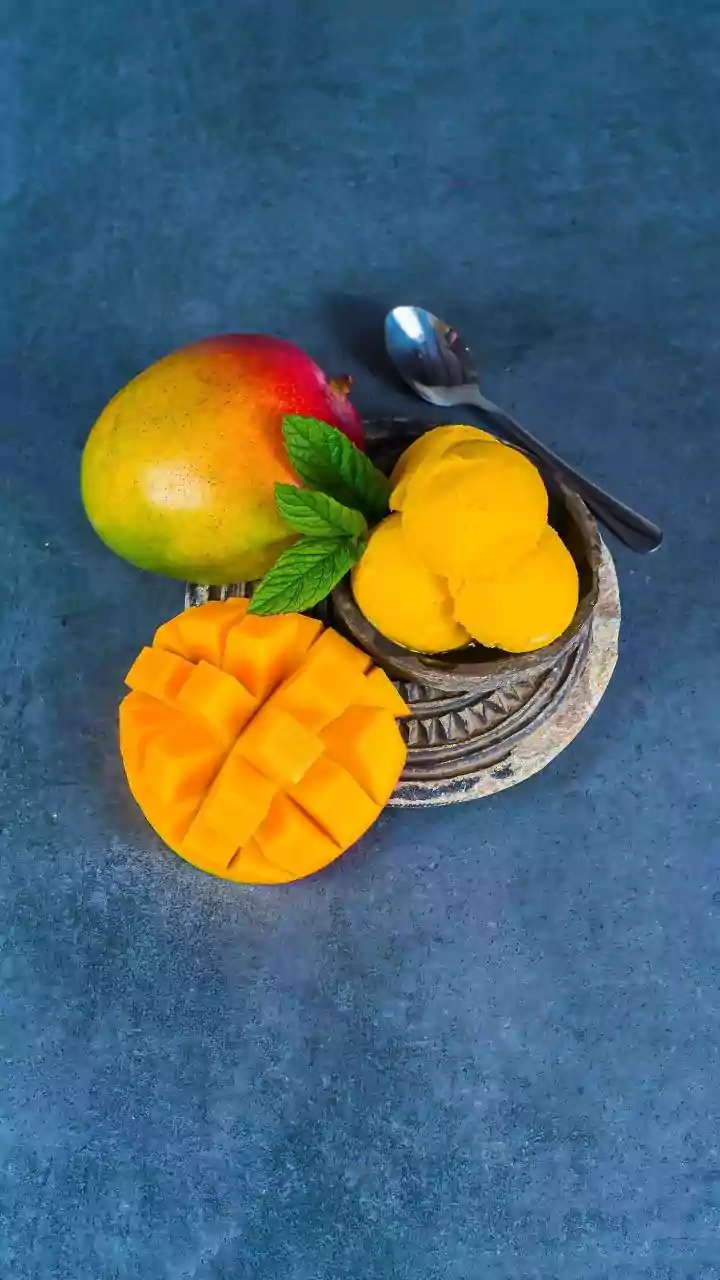




In the kingdom of tropical fruits, mango and papaya are undisputed royalty. But when it comes to nutrition, the debate heats up. Is one healthier than the other? The answer isn't a simple knockout but a fascinating look at their unique strengths.
The Calorie and Sugar Conversation
For those
managing their weight or sugar intake, the numbers provide a clear starting point. Papaya is the leaner option, containing roughly 43 calories and 7.8 grams of sugar per 100-gram serving. In contrast, mango is denser and sweeter, with about 60 calories and 13.7 grams of sugar for the same amount. This makes papaya a lighter choice, especially for those on a low-carb diet or simply looking for a less sugary snack. While the sugar in both fruits is natural and comes packaged with beneficial nutrients, the significant difference makes papaya the winner for low-calorie density.
The Vitamin C Immunity Boost
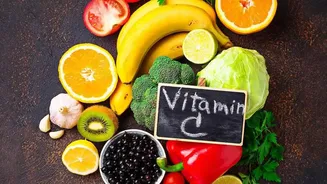
When it comes to boosting your immune system, Vitamin C is a critical nutrient, and here, papaya takes a decisive lead. A 100-gram serving of papaya delivers around 61 mg of Vitamin C, which can be more than 100% of the daily recommended intake for some individuals. Mango is also a very good source, providing about 36.4 mg for the same serving size, but papaya’s concentration is significantly higher. If your main goal is to maximize your Vitamin C intake for immune support or skin health, papaya is the undisputed champion.
The Vitamin A and Antioxidant Angle
Mango strikes back powerfully in the Vitamin A department. Thanks to its rich beta-carotene content, which the body converts to Vitamin A, mango is exceptional for supporting vision and skin health. While both fruits contain beneficial antioxidants, mango's profile is particularly rich in mangiferin, a polyphenol studied for its anti-inflammatory properties. Papaya, on the other hand, contains more lycopene, another potent antioxidant also found in tomatoes and watermelon that is linked to heart health and may protect against certain cancers.
Digestion: Papaya’s Secret Weapon
This is where the comparison gets truly interesting. Both fruits offer a similar amount of dietary fiber, with around 1.6 to 1.7 grams per 100g, which aids in digestive regularity. However, papaya contains something mango doesn't: papain. Papain is a proteolytic enzyme, meaning it helps break down proteins. This makes papaya an excellent digestive aid, especially after a protein_heavy meal, helping to reduce bloating and indigestion. While mango's fiber and enzymes also support digestion, papain gives papaya a unique and notable advantage.
Impact on Blood Sugar
The glycemic index (GI) measures how quickly a food raises blood sugar levels. Here, the fruits are relatively close, but with a slight edge for mango. Mango typically has a GI of around 51, placing it in the low–GI category. Papaya's GI is slightly higher, generally falling between 56 and 60, which is considered a medium–GI food. For individuals managing blood sugar, this means mango might cause a slower, more gradual glucose rise. However, both fruits can be part of a balanced diet for diabetics when eaten in moderation and paired with protein or healthy fats to further blunt the sugar response.