





The Challenge of a Zero-Gravity Kitchen
Feeding astronauts hundreds of kilometres above Earth is far more complex than just packing a lunch. In the microgravity of space, food must be lightweight, have a long shelf life, and be incredibly safe. A stray crumb isn’t just messy; it can float into
an astronaut's eye or damage sensitive equipment. Furthermore, space travel takes a toll on the human body, altering taste, bone density, and muscle mass. The food must be nutrient-dense to counteract these effects, providing everything an astronaut needs to stay healthy and focused. This requires a menu that is equal parts culinary art and sophisticated science.
The Master Chefs in Mysuru
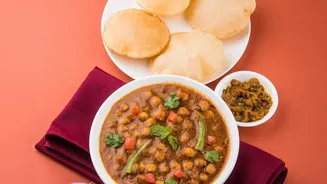
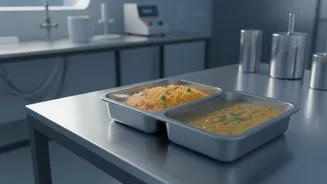
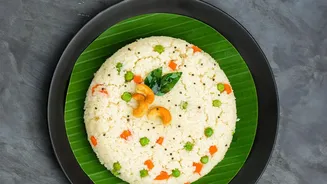
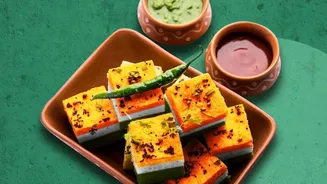
The primary responsibility for creating the food itself lies with the Defence Food Research Laboratory (DFRL) in Mysuru. For decades, this DRDO lab has perfected the art of creating ready-to-eat meals for soldiers in extreme conditions. For the Gaganyaan mission, they have curated a menu of over 30 Indian dishes. Astronauts will have choices like idli sambar, chicken biryani, vegetable pulav, and moong dal halwa. These familiar meals are processed using technologies like freeze-drying, allowing them to be preserved for the journey and reconstituted with water in space, complete with food warmers to provide a comforting, hot meal.
Hyderabad's Nutritional Blueprint
While DFRL prepares the dishes, a critical part of the puzzle is being solved in Hyderabad at the ICMR-National Institute of Nutrition (NIN). NIN's scientists are the architects of the astronauts' diet plan, ensuring that every meal is perfectly balanced to meet the physiological demands of spaceflight. They are creating food formulations rich in essential micronutrients and antioxidants, with carefully controlled levels of sodium and fibre to support gut health. NIN's team is also conducting microgravity simulation studies, where participants stay in a head-down position for days to mimic the effects of space on the body, allowing researchers to study how food formulations will behave and be metabolized in orbit.
A High-Tech Tiffin for Space
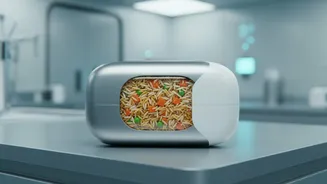
Another of Hyderabad's key contributions comes from the private sector. Ananth Technologies, a firm with a long history of supplying components for ISRO missions, is collaborating with DFRL to build a smart food container that has been likened to a high-tech tiffin box. This isn't any ordinary lunchbox; it's a specially designed steel container fitted with sensors and electronics. These sensors will allow the ground crew to monitor the food's condition, ensuring its safety and integrity throughout the mission. In an environment where every detail matters for crew safety, this innovative piece of hardware represents a crucial link between the kitchen on Earth and the dinner table in space.
More Than Just a Meal
The effort to provide familiar Indian food goes beyond pure nutrition. For astronauts isolated from home, food serves as a powerful psychological anchor. A comforting dish like khichdi or a sweet like gajar ka halwa can boost morale and create a sense of normalcy in an utterly alien environment. It's a taste of home that connects the crew to their culture and country while they are far away. This careful consideration of both physical and emotional well-being showcases a holistic approach to the mission, recognizing that the human element is just as important as the technology.