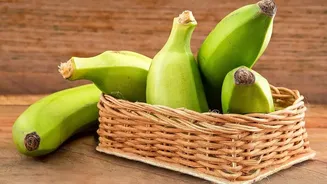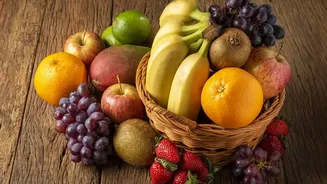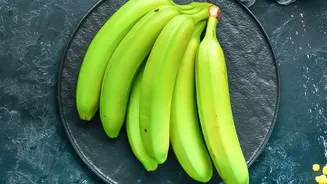

The humble banana is a fruit bowl staple, but in Indian kitchens, it leads a double life. While the sweet, yellow banana is a familiar snack, its raw, green counterpart shines as a versatile vegetable, adding substance and unique texture to curries.
The Great Divide: Starch vs. Sugar
The
fundamental difference between a green and a yellow banana lies in its carbohydrate composition. A green, or raw, banana is packed with resistant starch. As the banana ripens, enzymes convert this starch into simple sugars like sucrose, glucose, and fructose. This process is why a yellow banana is soft and sweet, while a green banana is firm, with a less sweet, almost neutral taste often described as waxy or potato-like. This transformation doesn't just change the flavour and texture; it also alters the fruit's nutritional profile and how it behaves in cooking. While total carbohydrates remain similar, the type of carb shifts dramatically, making the green banana act more like a starchy vegetable.
The Nutritional Edge of Green Bananas
Green bananas are celebrated for their high content of resistant starch, a type of dietary fibre that isn't digested in the small intestine. Instead, it functions as a prebiotic, feeding the beneficial bacteria in your gut. This promotes a healthy gut microbiome and can improve digestive health. Because it's digested slowly, it also helps you feel fuller for longer and has a lower glycemic impact, preventing the sharp blood sugar spikes associated with sugary foods. This makes green bananas a favourable choice for blood sugar management. Additionally, both green and ripe bananas are excellent sources of essential nutrients like potassium, vitamin B6, and vitamin C.
The Go-To Vegetable in Indian Kitchens
In India, the raw banana, often called 'kachha kela' in Hindi or 'vazhakkai' in Tamil, is treated as a vegetable. Its firm texture and mild taste make it a perfect substitute for potatoes, absorbing spices beautifully without turning mushy. This versatility allows it to star in a wide range of savoury preparations across the country, from dry stir-fries and rich curries to crispy fritters and even koftas. Unlike sweet bananas that would disintegrate and lend an unwanted sweetness, green bananas hold their shape, providing a satisfying bite and bulk to a meal. This culinary application is where the raw banana truly distinguishes itself from its ripe form.
Savoury Dishes Across the States
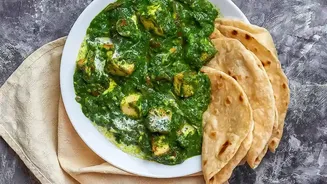
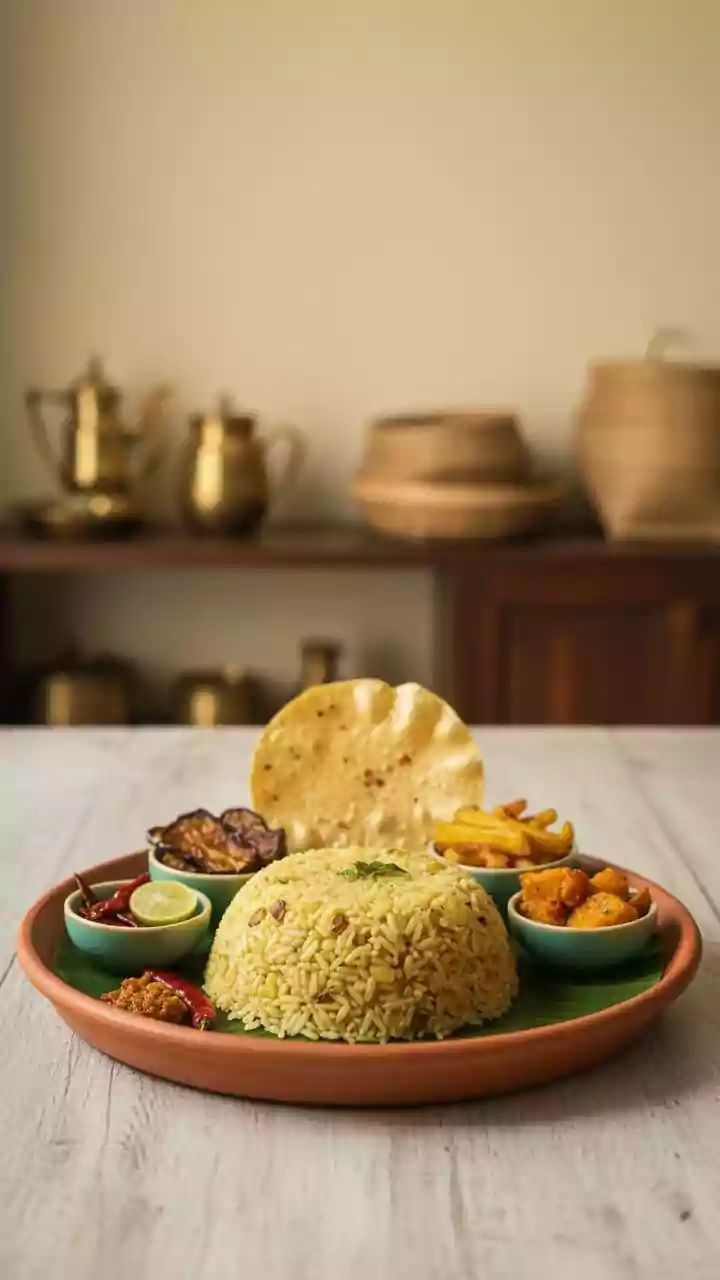
From North to South, Indian cuisine showcases the raw banana's potential. In South India, 'Vazhakkai Poriyal' is a popular side dish, a simple stir fry where cubed raw banana is tempered with mustard seeds, urad dal, and curry leaves, often finished with a sprinkle of fresh coconut. A similar dish from Andhra Pradesh is 'Aratikaya Kura', a simple but flavourful stir fry. In the North, you'll find 'Kacche Kele ki Sabzi', which can range from a dry stir fry to a more gravy based curry with onions, tomatoes, and a blend of spices like coriander and turmeric. Some recipes even call for frying the banana pieces first to achieve a crispier texture before adding them to the masala. These dishes highlight how perfectly raw banana pairs with traditional Indian spices.
Tips for Cooking with Raw Bananas
Working with green bananas is simple, but a few tips can help. The skin is tougher than a ripe banana's, so it's best to use a peeler or a knife. Once peeled and chopped, the flesh can discolour quickly, so it's wise to immerse the pieces in a bowl of water until you're ready to cook them. Raw bananas cook relatively fast. They can be boiled, steamed, or fried. For stir fries, you can boil them briefly until just tender before adding them to the pan. For crispier results, fry the pieces in oil before mixing them with your spices and other ingredients.