



The Sun's Restless Surface
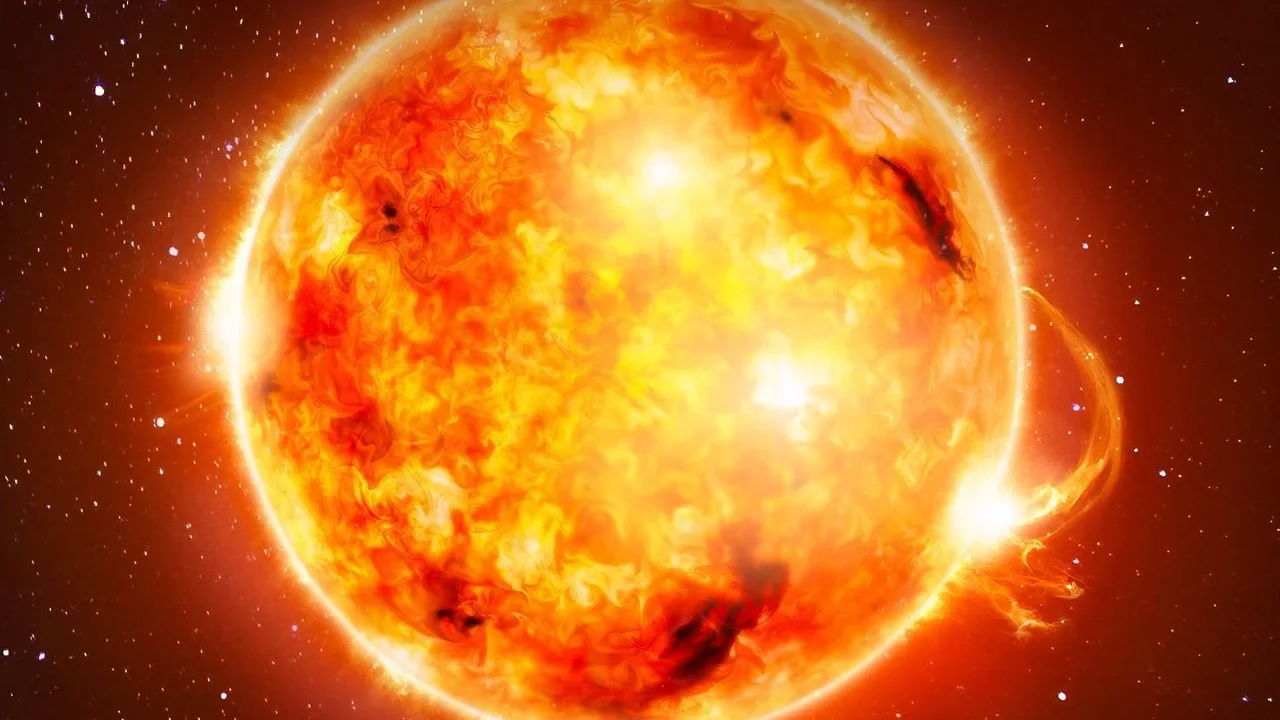
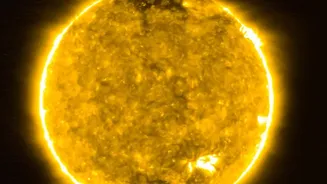
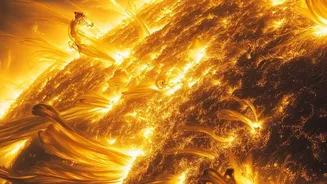
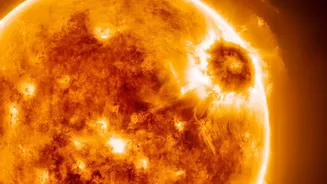
The journey from sunshine to shimmering auroras starts with sunspots. These aren't just simple blemishes; they are complex, planet-sized areas on the Sun's surface that are cooler than their surroundings, which is why they appear dark. This coolness is a direct
result of incredibly intense and concentrated magnetic fields. Think of them as areas where the Sun's powerful magnetic energy has become so tangled and knotted that it punches through the surface, inhibiting the normal flow of heat from the Sun's interior. The number of these spots ebbs and flows in a roughly 11-year cycle, known as the solar cycle. When we see more sunspots, it’s a clear signal that the Sun is entering a more active and volatile phase.
The Great Magnetic Snap
While sunspots themselves are just indicators, the real action happens in the super-heated atmosphere above them, the corona. The tangled magnetic field lines associated with sunspot regions store immense amounts of energy, like a twisted rubber band. Often, these magnetic loops stretch, cross, and then suddenly reorganize themselves into a simpler, lower-energy configuration. This process, called magnetic reconnection, causes a violent and explosive release of energy. This sudden snap unleashes two major phenomena: a solar flare, which is an intense burst of radiation, and often, a colossal eruption of solar material called a Coronal Mass Ejection (CME).
A Surge Through Space
A Coronal Mass Ejection is the primary cause of a major solar wind surge. It's a massive cloud of magnetised plasma and charged particles, billions of tonnes of it, blasted away from the Sun at speeds that can exceed a million kilometres per hour. While the Sun constantly emits a steady stream of particles known as the solar wind, a CME is like a powerful tsunami overriding the normal current. These eruptions are strongly correlated with periods of high sunspot activity. Recent forecasts in mid-September 2026, for example, have been anticipating the arrival of CMEs launched from the sun days earlier, highlighting the direct connection between solar events and their eventual impact on Earth.
Earth's Magnetic Shield
After a journey that can take one to three days, this high-energy cloud of particles reaches Earth. Fortunately, our planet has a built-in defence mechanism: the magnetosphere. This magnetic field, generated by our planet’s core, deflects the vast majority of the dangerous solar wind, protecting our atmosphere and life on the surface. However, this shield is not impenetrable. The CME's own magnetic field can interact with Earth's, causing the magnetosphere to stretch and contort. During this process, some of the charged solar particles are captured and funnelled down the magnetic field lines toward the North and South Poles.
The Atmosphere Lights Up
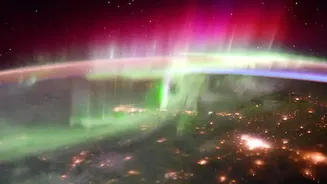
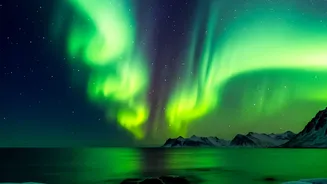
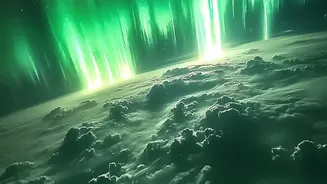
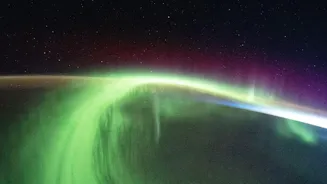
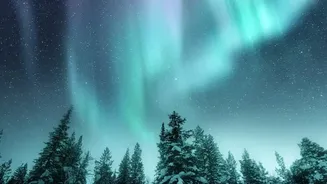
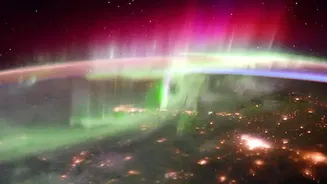
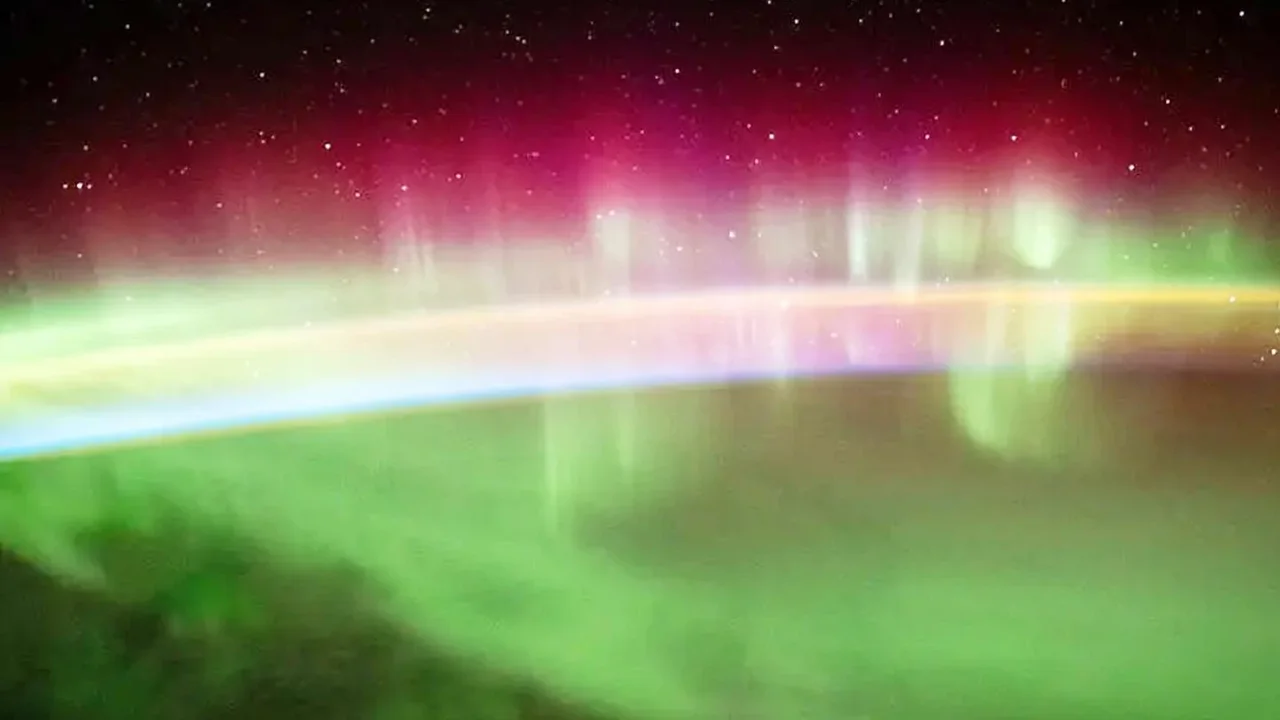
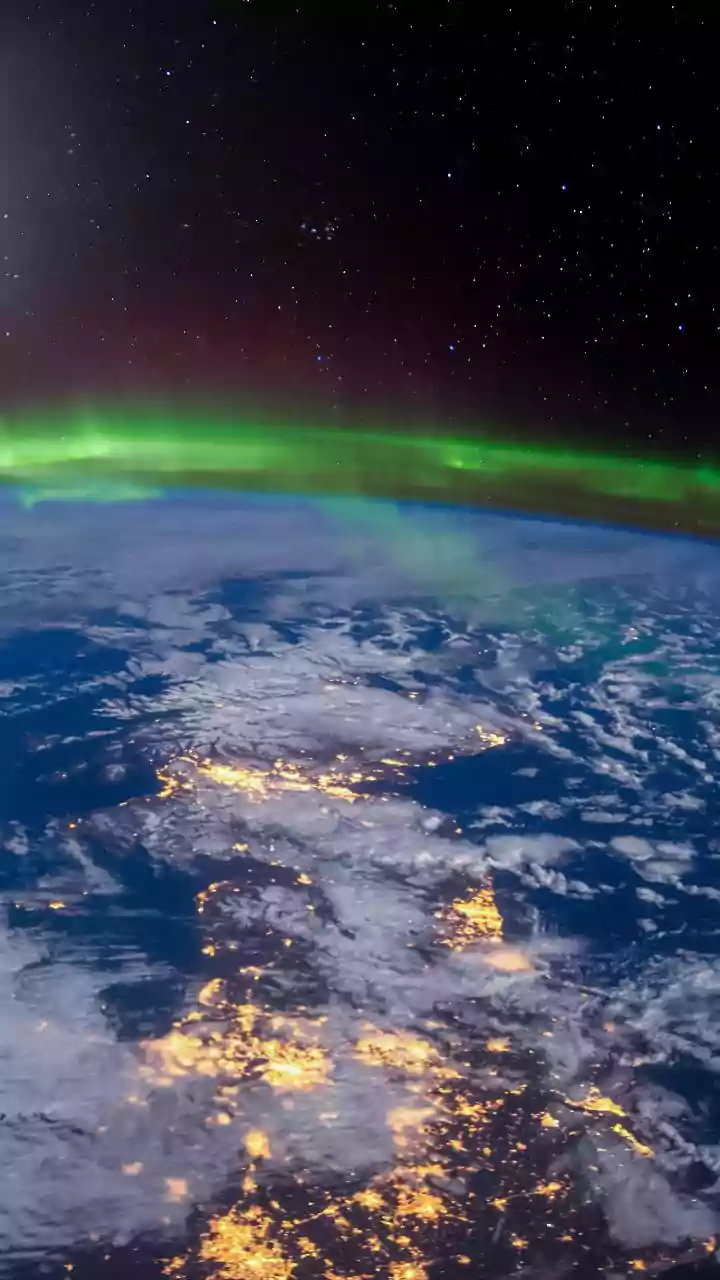
This is where the magic happens. As these high-energy particles, guided by the magnetosphere, slam into the gases in Earth's upper atmosphere, they transfer their energy to oxygen and nitrogen atoms. These atoms become 'excited' and, to return to their normal state, they release this excess energy in the form of light. The colour of the light depends on which gas is being struck and at what altitude. Collisions with oxygen atoms typically produce the most common colours, green and red, while interactions with nitrogen can result in blues and purples. The result is the beautiful, dancing curtains of light we know as the aurora borealis (Northern Lights) and aurora australis (Southern Lights).