





What Exactly Are Compression Cubes?
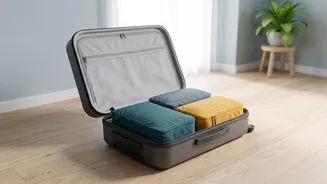
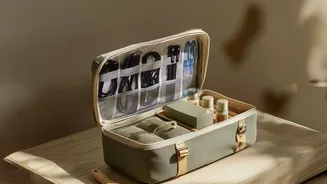
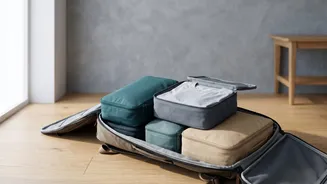
At first glance, compression cubes look like any other packing cube: small, zippered fabric pouches used to organize clothes within a suitcase. The key difference is an additional, secondary zipper. You pack your clothes in the cube, close the main zipper,
and then zip the second compression zipper. This mechanism squeezes the cube, forcing out excess air and reducing the overall volume of the contents. It’s a simple but highly effective design meant to solve a space problem, not a weight one.
The Science of Saving Space
The magic of compression cubes lies in their ability to tackle the bulkiest items in your luggage. Think puffy jackets, chunky sweaters, and thick towels—garments full of air pockets that consume precious space. By compressing these items, you can significantly shrink their footprint, freeing up room for other essentials or simply allowing you to use a smaller bag. For travellers aiming to stick to a carry-on for a long trip, this space-saving can be the difference between success and being forced to check a bag at the gate. Many users report saving 20-40% of their luggage volume, which can be a game-changer. This turns packing from a frustrating chore into a satisfying game of Tetris.
More Than Just Space: The Organizational Advantage
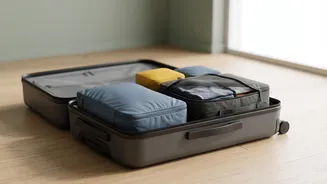
While space-saving is their main selling point, the organizational benefits are just as powerful, especially on long-haul or multi-destination trips. Instead of a chaotic pile of clothes, your suitcase becomes a set of neat, manageable blocks. You can dedicate different cubes to different categories: one for tops, one for bottoms, one for underwear and socks. This system makes finding a specific item effortless, as you can pull out a single cube without disturbing the rest of your carefully packed luggage. Furthermore, they are perfect for separating dirty laundry from clean clothes, a simple but invaluable feature on any extended journey.
The Critical Weight Warning
Here is the most important rule of using compression cubes: they reduce volume, not weight. Squeezing the air out of a sweater doesn't make the fabric itself any lighter. This creates a common trap for first-time users. It becomes incredibly easy to fit more items into your suitcase, which can quickly push you over an airline’s strict weight limit for carry-on or checked baggage. The newfound space might tempt you to add that extra pair of shoes or a few more books, leading to costly overweight fees at the check-in counter. To pack like a pro, a digital luggage scale is a non-negotiable companion to your compression cubes. Always weigh your bag before you leave for the airport.
How to Use Them for Maximum Effect
To get the most out of your cubes, a few techniques go a long way. Rolling your clothes before placing them in the cube is often more effective than folding, as it helps minimize hard creases and utilizes the space more evenly. Don't overstuff a single cube to its breaking point; a strained zipper is a common failure point, and an overly dense, brick-like cube can be awkward to fit alongside other items. Instead, distribute your clothing across several cubes. When packing your suitcase, place heavier cubes at the bottom near the wheels to create a stable base and prevent the bag from tipping over. This structured approach keeps everything in place, even when your bag is being handled roughly during transit.