




1. Research Your Route and Conditions
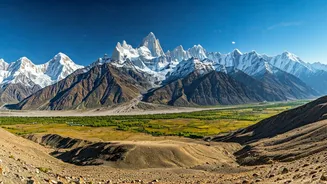
Before you commit, get to know your trail. Research its difficulty level, total distance, and elevation gain to ensure it matches your fitness and experience. [19] Check recent trail reports online for updates on conditions, closures, or potential hazards
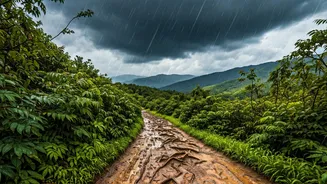
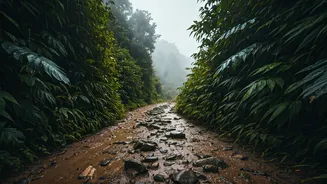
like landslides, which are especially important during India's monsoon season. [19] Look at user reviews on trekking forums or blogs to get a real-world sense of the journey. A key part of your research is the weather. Check a reliable mountain weather forecast just before you leave, as conditions can change rapidly at altitude. [12, 18] Finally, confirm if any permits or permissions are required, as many protected areas and specific trails in states like Uttarakhand or Ladakh have regulations. [4]
2. Assess Your Physical Readiness
A weekend trek is not a walk in the park. Be honest about your current fitness level. [10] You don’t need to be an elite athlete, but you should be comfortable walking for several hours, often on uneven and inclined terrain. [9] To prepare, start walking regularly at least a few weeks before your trip, gradually increasing the distance. [9, 24] Incorporate leg-strengthening exercises like squats, lunges, and calf raises into your routine. [22] If possible, train on hills or stairs to simulate the inclines you'll face. [13, 24] Carrying a loaded daypack during your training walks is also a great way to prepare your back and shoulders. [22] Remember, the better your physical condition, the more you'll enjoy the scenery instead of struggling with every step.
3. The Holy Trinity of Gear: Boots, Backpack, and Layers
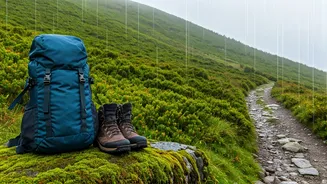
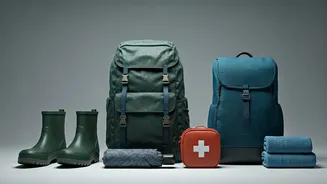
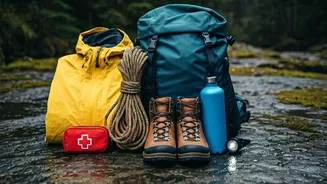
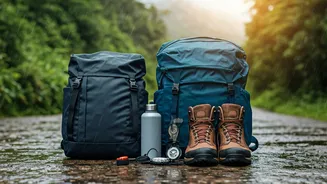
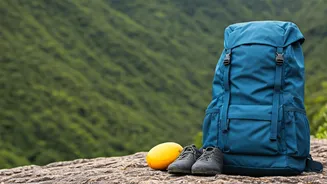
Your comfort and safety hinge on three key pieces of gear. First, your trekking shoes. They must have good grip, ankle support, and be water-resistant. [16] Crucially, never wear brand-new shoes on a trek; break them in thoroughly beforehand to prevent painful blisters. [9, 16] Second is your backpack. For a weekend trek, a 40-60 litre rucksack is usually sufficient. [15] It should have adjustable straps and a hip belt to transfer weight to your hips, not your shoulders. [16] Third, master the art of layering your clothing. Instead of one heavy jacket, pack multiple layers: a quick-dry base layer to wick away sweat, a fleece mid-layer for insulation, and a waterproof/windproof outer jacket. [16, 17] This system lets you adapt to fluctuating temperatures throughout the day. Avoid cotton, as it retains moisture and can make you feel cold. [15, 16]
4. Pack Smart: The Essentials Checklist
What goes into your bag is a balance of utility and weight. Beyond your layered clothing, here are the must-haves for a weekend trip: * **Hydration:** Carry at least two litres of water. A reusable bottle is a must; some treks may require water purification tablets or a filter for refilling from natural sources. [3] * **Navigation:** Even with a guide, carry a map, compass, or a GPS-enabled device with offline maps. [15] * **First-Aid Kit:** Pack a basic kit with bandages, antiseptic wipes, pain relievers, blister tape, and any personal medications. [16] * **Sun Protection:** At higher altitudes, the sun is harsh. Pack sunscreen (SPF 50+), lip balm, sunglasses, and a sun cap or hat. [14, 15] * **Illumination:** A headlamp or torch with extra batteries is non-negotiable for evenings at the campsite or early morning starts. [15, 16] * **Snacks:** High-energy snacks like trail mix, nuts, dates, and protein bars are perfect for maintaining energy levels. [3, 9] * **Personal Items:** Include toilet paper, hand sanitiser, and a small, quick-drying towel. [3, 14]
5. Final Safety and Responsibility Checks
Your responsibility extends beyond your own safety to the environment and local communities. Before you leave, inform a reliable friend or family member of your detailed itinerary and your expected time of return. [12] This is your safety net. On the trail, embrace the 'Leave No Trace' principles. [7] This means packing out everything you pack in, including all your food wrappers and waste. [4, 7] Use designated trails to prevent soil erosion and avoid disturbing fragile ecosystems. [4, 11] Respect wildlife by observing from a distance and never feeding them. [11] Keep noise to a minimum; avoid using speakers so that you and others can enjoy the sounds of nature. [2, 4] These small acts of respect ensure that the trails we love remain pristine for everyone.