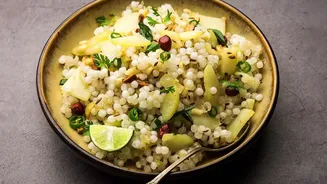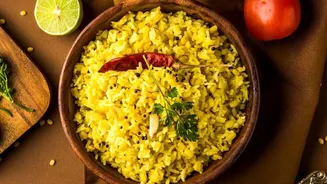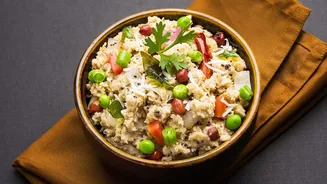


Dalia and Khichdi are staples of comfort and health in many Indian homes. But in the battle of wholesome meals, which one truly comes out on top? The answer lies not just in the grain, but in the vibrant, nutritious power of vegetables.
The Foundation: Understanding Dalia
Dalia, also known
as cracked or broken wheat, is a minimally processed whole grain. It’s made by crushing whole raw wheat kernels, which means it retains the nutrient-rich bran and germ. This makes it a fantastic source of complex carbohydrates and, most notably, dietary fibre. A 100-gram serving of uncooked dalia packs around 12 grams of protein and a substantial amount of fibre, along with essential minerals like magnesium and iron. Its low glycemic index (GI), which is around 41, ensures a slow and steady release of energy, preventing the sharp blood sugar spikes often associated with refined grains. This makes it a favoured choice for those managing their weight or diabetes.
The Classic Comfort: Getting to Know Khichdi
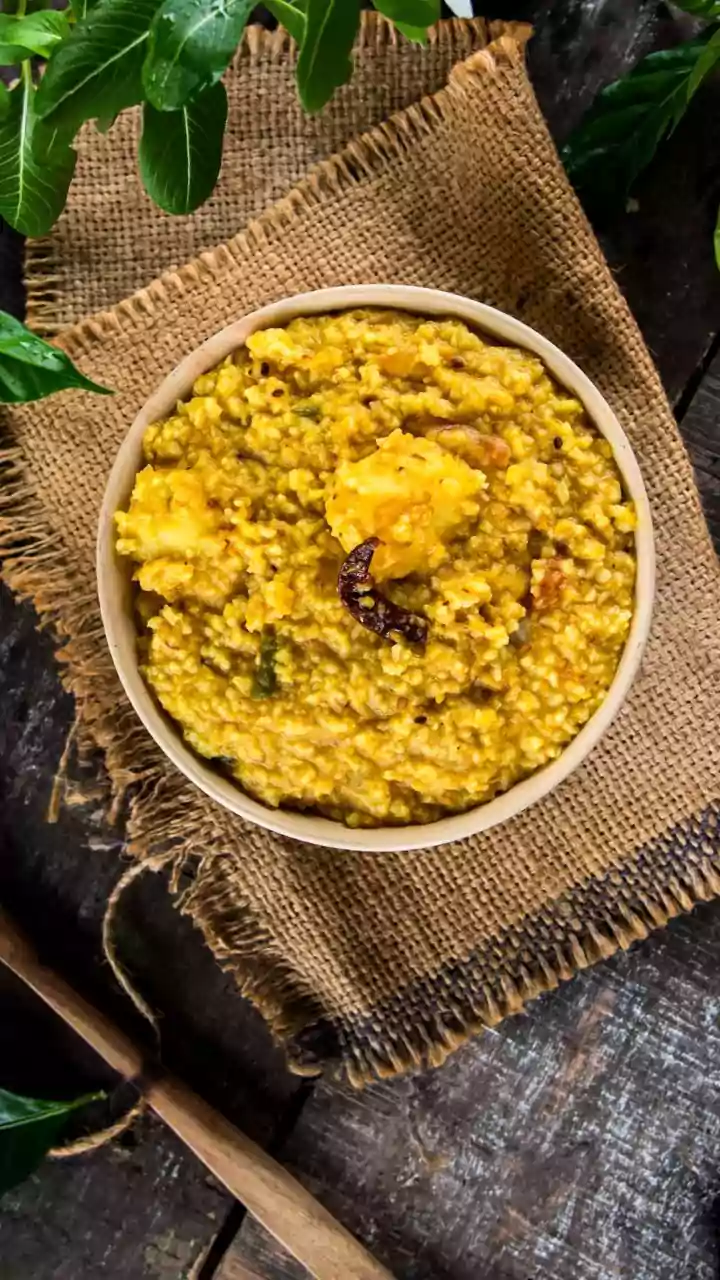
Khichdi is a timeless one-pot meal, revered for its simplicity and digestibility. The base is typically a combination of rice and lentils, most commonly moong dal. This pairing is nutritionally strategic; the combination of a cereal (rice) and a pulse (dal) creates a complete protein, providing all the essential amino acids your body needs. Khichdi is often the first solid food for babies and a go-to meal during illness for good reason: it's gentle on the stomach while delivering sustained energy and warmth. Ayurvedic tradition considers it 'tridoshic', meaning it can balance all three body doshas, making it a universally soothing and healing food.
Nutritional Showdown: Dalia vs. Khichdi
When placed side-by-side, the two meals offer distinct advantages. Dalia generally leads in the fibre department, which promotes satiety and keeps you feeling full for longer. This high fibre content is a significant boon for digestive health and weight management. Khichdi, on the other hand, shines when it comes to protein quality. While dalia has a good amount of protein, the rice-dal combination in khichdi makes it a complete protein source, crucial for muscle repair and growth. In terms of glycemic index, dalia typically has a lower GI than traditional khichdi made with white rice. However, substituting white rice with brown rice or millets in your khichdi can easily level the playing field. Calorie counts for both can vary widely based on preparation, especially the amount of ghee or oil used. A basic vegetable dalia khichdi can have around 283 calories per cup, while a vegetable moong dal khichdi can be around 150-230 calories.
The Game Changer: The Power of Vegetables
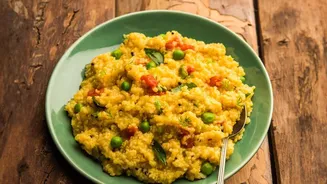
Here’s where both dishes truly become nutritional powerhouses. Adding a colourful array of vegetables does more than just enhance flavour and texture; it fundamentally transforms the meal. Vegetables bulk up the dish, increasing the volume and sense of fullness without a significant calorie increase. They infuse the meal with a wide spectrum of vitamins, minerals, and antioxidants. Adding fibre-rich vegetables like carrots, peas, beans, and spinach further slows down the absorption of carbohydrates, lowering the overall glycemic load of the meal. This is particularly beneficial when making khichdi with white rice. The added fibre from vegetables also supports a healthy gut microbiome and aids regular digestion.
Tailoring Your Bowl to Your Health Goals
The right choice between dalia and khichdi ultimately depends on your specific needs. For weight loss, a vegetable-loaded dalia is an excellent option due to its high fibre content and low GI, which helps control appetite and prevent overeating. For post-workout recovery, a moong dal khichdi provides the complete protein needed for muscle repair. For individuals with diabetes, dalia is often recommended for its superior blood sugar control, but a khichdi made with brown rice or dalia itself is also a fantastic, low-GI choice. When you're feeling under the weather or need something easy to digest, a simple moong dal khichdi with minimal spices is unmatched in its soothing properties.