






The Pantry in Your Powder Room
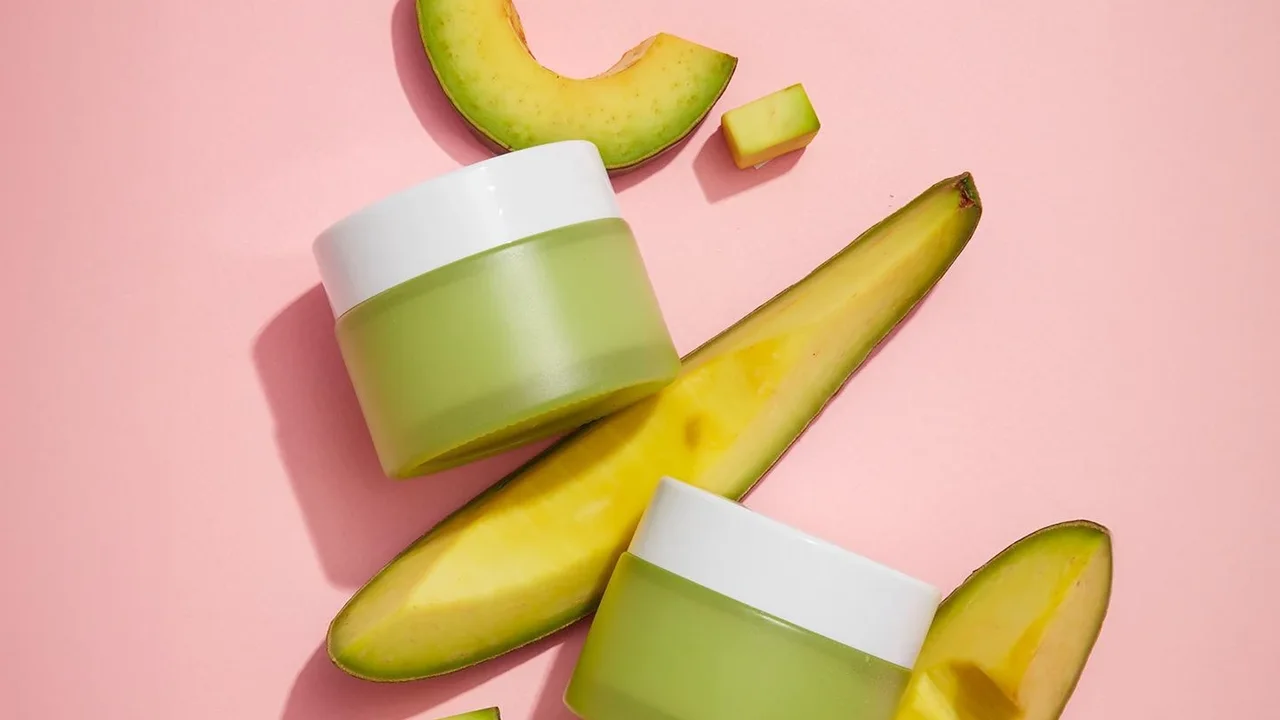
The latest trend taking over Indian shelves isn't a new chemical compound or a complex active, but ingredients you probably have in your spice box. Beauty brands are increasingly looking to the kitchen for inspiration, infusing products with everything
from turmeric and saffron to curd, coffee, and amla. This 'foodification' of beauty is transforming serums, masks, and moisturisers into sensorial experiences that feel both indulgent and wholesome. Think cleansers that harness the soothing power of aloe vera, night creams with hibiscus and saffron, and even sunscreens boosted with ashwagandha. The trend goes beyond just topical application; it's also about beauty from within. The rise of nutricosmetics—supplements designed to improve skin, hair, and nails—is growing rapidly in India, with consumers embracing everything from collagen-infused teas to wellness snacks.
A Return to Ayurvedic Roots
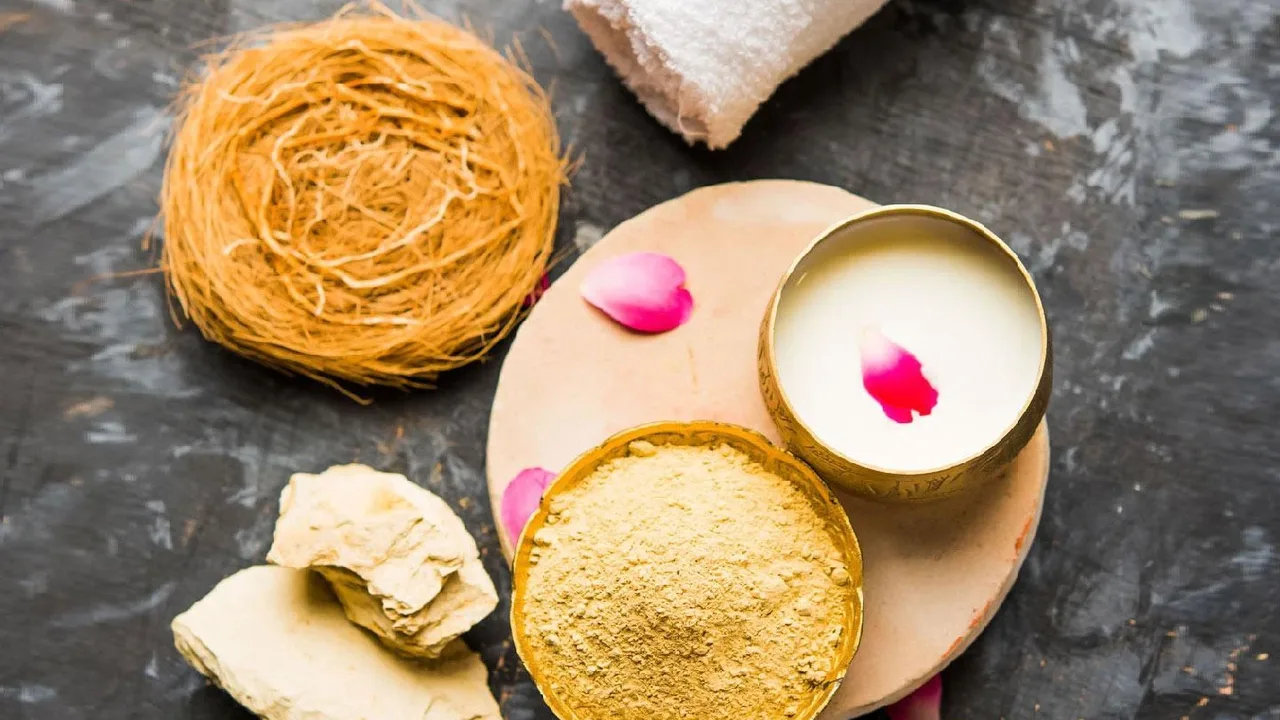
This crossover isn't entirely new for India. For generations, Ayurvedic practices and household remedies (gharelu nuskhe) have used food ingredients for beauty. Turmeric, known as 'haldi', has been a pre-wedding ritual for its brightening properties, while neem has been hailed as a 'village pharmacy' for its purifying abilities. What's different now is how these ancient traditions are being repackaged for the modern consumer. Brands are combining time-tested ingredients like manjistha, gotu kola, and kumkumadi tailam with modern scientific formulations to create products that are both effective and convenient. This fusion allows consumers to enjoy the benefits of Ayurveda without the hassle of DIY preparations, offering a consistent and stable product that traditional home remedies might lack.
Why 'Clean' and 'Natural' Are In
The shift towards food-based beauty is fueled by a larger global movement towards 'clean' and 'natural' products. Consumers are becoming more conscious of what they put on their skin, leading to a preference for ingredients they can recognise and understand. There's a growing skepticism around long, complicated ingredient lists filled with synthetic chemicals. In contrast, seeing a familiar food item like coconut oil or gram flour on a label provides a sense of safety and transparency. This demand for natural solutions is reshaping the market, with the Ayurvedic skincare segment in India projected for significant growth. Brands are responding by highlighting their use of plant-based actives, ethical sourcing, and eco-friendly practices, aligning with a consumer base that values mindfulness and sustainability in their purchases.
More Than Just a Pretty Package
While the idea of a coffee-scented body wash or a berry-infused face mask is appealing, the trend is more than just a marketing gimmick. Many of these food-based ingredients are backed by scientific evidence. Turmeric's active compound, curcumin, is a powerful antioxidant and anti-inflammatory. Amla is packed with Vitamin C, which is crucial for collagen production. Neem contains compounds that are proven to have antimicrobial properties, making it effective for acne-prone skin. However, experts caution that formulation is key. Simply having a food ingredient in a product doesn't guarantee results. The concentration of the active ingredient, the stability of the formula, and how it's absorbed by the skin are all critical factors that determine its efficacy. Modern brands are investing in research to harness the power of these ingredients in the most effective way.