


Find Your Perfect Vessel
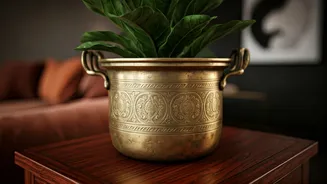
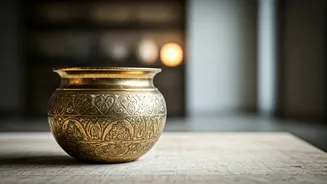
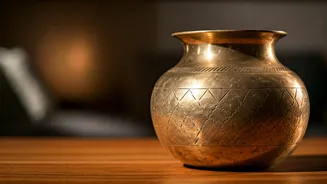
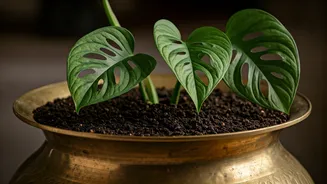
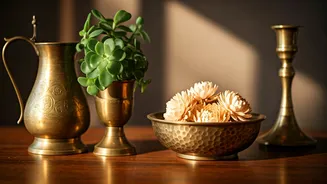
Look through your home for those heavy, often forgotten brass items. Traditional pieces like a wide-mouthed urli, a deep paraat, or even a large lota are perfect candidates. These vessels, steeped in cultural history, bring a weight and gravitas that
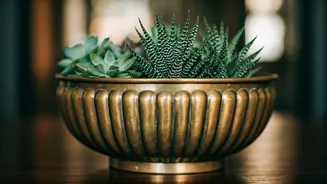
modern ceramic pots often lack. The beauty lies in their imperfections—the aged patina, the slight dents, and the handcrafted feel. The goal isn't to find a flawless piece, but one with character. Their size and sturdiness make them ideal for creating a focal point in any room, turning a functional item from the past into a piece of living art. Don’t be afraid to think outside the box; even old brass basins or decorative bowls can be repurposed with stunning results.
Prep and Polish with Care
Before you introduce a plant, your brass vessel needs some preparation. Your first decision is whether to polish it to a high shine or preserve its antique, tarnished look. Both are beautiful. If you prefer a brilliant gleam, use a gentle, non-abrasive brass cleaner or a natural paste of lemon juice and baking soda. Rub gently with a soft cloth. If you love the dark, moody patina, simply give it a thorough wash with mild soap and water to remove any dust and grime, then dry it completely. The most important step is ensuring the interior is clean. This prep work not only makes your planter look its best but also creates a healthier environment for the plant.
The All-Important Drainage Solution
This is the most critical step. Heirloom brass vessels do not have drainage holes, and drilling them is not recommended as it can damage a valuable piece. So, how do you prevent your plant's roots from rotting in stagnant water? The best method is the 'pot-in-a-pot' technique. Find a simple plastic nursery pot that fits snugly inside your brass vessel, leaving a small gap at the bottom. Plant your greenery in this plastic pot, which has drainage holes. When you water the plant, you can remove the inner pot, let the excess water drain away completely, and then place it back into the brass vessel. This method protects both your plant and the brass from constant moisture, which can accelerate tarnishing or corrosion.
An Alternative: The Layering Method
If the pot-in-a-pot method isn't feasible due to the vessel's shape, you can plant directly, but you must create a false drainage layer. Start by adding a 2-3 inch layer of gravel, LECA (lightweight expanded clay aggregate), or even charcoal at the bottom of the brass vessel. This layer creates a reservoir where excess water can collect, away from the plant's roots. On top of this, place a piece of mesh or landscape fabric to prevent the soil from mixing with the drainage layer. Then add your potting mix. This method requires very careful watering—it’s crucial not to overwater, as the excess has nowhere to go but the bottom reservoir. It's best suited for plants that prefer drier conditions.
Choosing the Right Green Companion
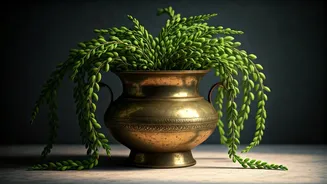
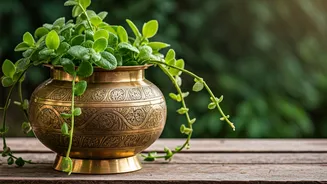
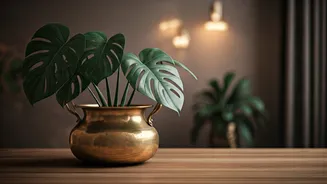
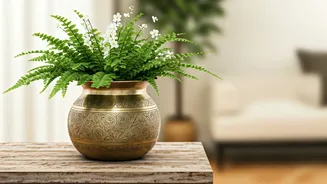
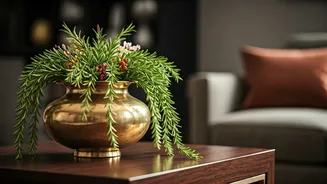
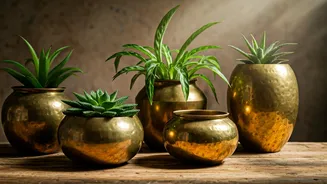
The plant you choose is key to success. Because of the limited drainage, you should opt for plants that are forgiving of occasional dry spells. Snake Plants (Sansevieria), ZZ Plants (Zamioculcas zamiifolia), and various succulents and cacti are excellent choices. They are low-maintenance and thrive even if you are cautious with watering. For a softer, more dramatic look, consider a Pothos (Epipremnum aureum) or a Spider Plant (Chlorophytum comosum), whose trailing vines will cascade beautifully over the side of the brass vessel. The deep green or variegated leaves create a stunning contrast against the warm, golden tones of the brass, making the entire arrangement pop.
Styling Your New Statement Piece
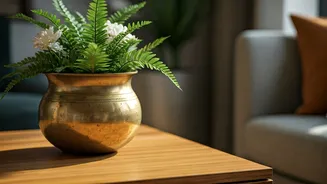
Once planted, your upcycled vessel is ready for its debut. A large urli with a lush plant can serve as a magnificent centrepiece on a large coffee table or dining table. Smaller vessels, like a lota with a single succulent, look wonderful on a bookshelf or a side table. Don't be afraid to let it be the star. Place it on a stack of books or on its own on a console table near an entryway to make a grand first impression. The combination of living green, lustrous metal, and cultural heritage creates a talking point that is both deeply personal and aesthetically stunning.