







Consult the Official Source: IMD
The first and most reliable source for weather information is the India Meteorological Department (IMD). The IMD's Goa centre provides daily updates, district-wise rainfall data, and short-term forecasts. As of early July 2026, while there has been a rainfall deficit,
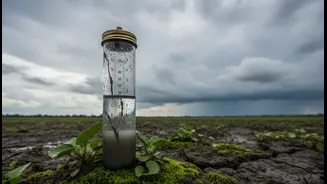
the IMD has also forecast periods of heavy rainfall. For instance, an IMD report from July 9 noted that the seasonal rainfall deficit stood at 26.7% after a period of light to moderate rain. A day earlier, the IMD had forecast heavy to very heavy rainfall for the Konkan & Goa region. Relying on official bulletins helps you avoid the misinformation that often spreads on social media, which can amplify panic without providing context.
Understand the Rainfall Deficit
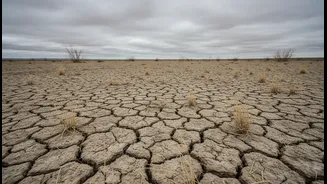
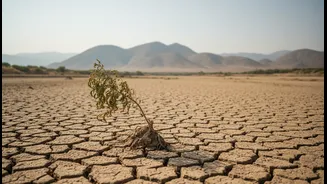
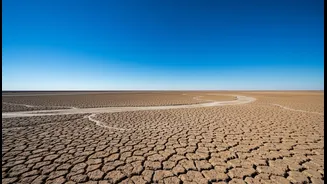
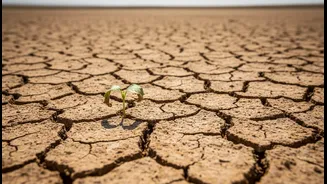
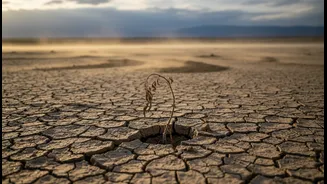
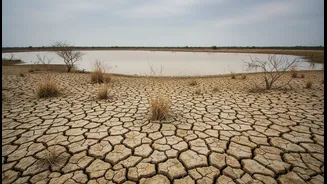
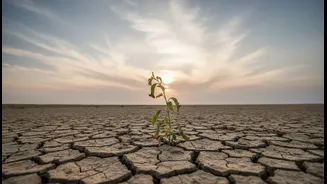
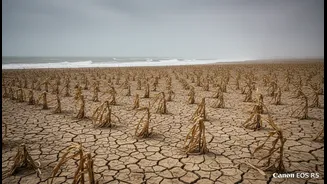
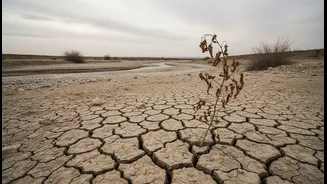
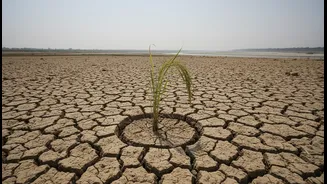
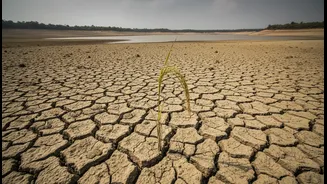
The term 'deficit' can be alarming, but it requires context. A weak start in June led to a significant shortfall, with rainfall being 71% below normal by June 20. However, heavy rains in late June and early July helped improve the situation. As of July 9, the overall seasonal deficit for Goa was around 24.7%, with North Goa at a 33% deficit and South Goa at 17.1%. It’s important to track whether this deficit is widening or shrinking. A few days of intense rain can significantly alter these figures, as seen in the first week of July. A prolonged dry spell is a cause for concern, but a statistical deficit doesn't always translate to an immediate crisis, especially if key rainfall periods are yet to come.
Check Crucial Reservoir Levels
The true measure of water security lies in the state's dams. After a weak start in June, recent rains have helped reservoir levels rise. However, they remain below their usual July levels. As of July 7, Goa's largest reservoir, Selaulim Dam, was at 42.5% capacity, a level it would typically surpass much earlier. Last year, a strong monsoon saw it nearly full by this time. Other dams like Anjunem were only 15% full in early July, compared to being full the previous year. Monitoring data from the state's Water Resources Department provides a clear picture of long-term water availability for drinking and irrigation, which is more critical than daily rainfall totals.
For Farmers: Seek Agricultural Advice
A weak or erratic monsoon is most threatening to the agricultural sector. Paddy farmers, in particular, depend on consistent rain for sowing. The delayed and uneven rainfall has left many in a difficult position, unable to prepare nursery beds. Instead of making assumptions, farmers should contact the state's Directorate of Agriculture or local Krishi Vigyan Kendras (KVKs). These bodies provide advisories on managing crops during erratic weather, including recommendations for short-duration or less water-intensive crop varieties. They can offer specific guidance based on local conditions, which is far more valuable than generalized news reports.
For Tourists: Verify On-Ground Conditions
Headlines about a weak monsoon can be misleading for travellers. Goa is not a monolithic entity; a dry spell in one part of the state doesn't mean waterfalls are dry everywhere or that the landscape isn't lush and green. Your best source of information is your hotel, tour operator, or local host. Ask them directly about the conditions in their specific area. It's also worth noting that for safety reasons, authorities have banned public entry to several waterfalls, including the popular trek to Dudhsagar Falls, under the Disaster Management Act. These restrictions are due to the dangers of the monsoon season itself, not necessarily a lack of rain, and are being strictly enforced in 2026.