
The familiar morning hum of India's urban parks is changing. Alongside gentle yoga and laughter clubs, a new, more dynamic energy is taking over as groups gather for synchronised, high-energy calisthenics. What's driving this fitness revolution?
The New Dawn of Fitness
Walk through
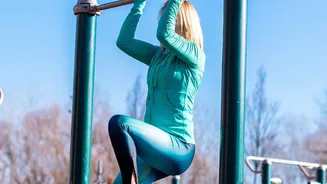
any major city park in the early hours, from Mumbai's Marine Drive to Bangalore's Cubbon Park, and you'll see it. Groups of people, diverse in age and fitness levels, are turning public spaces into open-air gyms. This isn't about expensive equipment or exclusive memberships; it's the raw, powerful appeal of calisthenics. At its core, calisthenics is a form of resistance training that uses your own bodyweight. Think push-ups, squats, planks, and pull-ups—exercises that build functional strength, flexibility, and coordination. What was once the domain of gymnasts and niche athletes is now a mainstream movement, fuelled by a desire for accessible, effective, and community-driven fitness.
More Than Just a Free Workout
The most obvious appeal of park-based calisthenics is the cost—it's free. In cities where gym memberships can be prohibitively expensive, the ability to get a full-body workout using nothing but a park bench or a set of parallel bars is a game-changer. But the motivation runs deeper than just economics. Many are drawn to calisthenics because it develops what experts call 'functional fitness'—strength that translates directly to everyday movements like lifting, pulling, and balancing. Unlike isolated machine workouts in a gym, calisthenics engages multiple muscle groups simultaneously, leading to improved body control, posture, and overall health. It's a return to basics that promises real-world strength and agility, a key reason for its growing popularity among office workers and older adults alike.
A Community Forged in Sweat
Perhaps the most significant driver of this trend is the powerful sense of community. In an increasingly digital world, these morning meetups offer a vital source of social connection. Participants aren't just working out; they are motivating each other, sharing tips, and forming genuine friendships. Organised through WhatsApp groups and social media, these collectives provide the accountability and encouragement that can be hard to find when training alone. This social element transforms a solitary exercise routine into a shared, energising experience, improving not just physical health but also mental well being by fostering a sense of belonging. This spirit is evident in cities like Jammu, where enthusiasts hold flash mob performances to introduce more people to the discipline, and in Meghalaya, where a 60 member association was built from a small group of friends.
The City as Your Gym
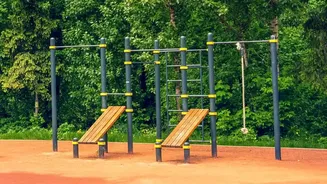
This grassroots movement represents a creative reclamation of public space. As cities across India invest in outdoor gym equipment and better maintained parks, citizens are putting this infrastructure to good use. Dedicated calisthenics parks are also emerging, such as Elysium in Mumbai, which was founded in 2018 as India s first of its kind and now has thousands of members across multiple branches. However, the beauty of the movement is that it doesn t require specialised venues. Enthusiasts are turning any available structure—benches, railings, and playground bars—into makeshift training grounds. This DIY approach has made the trend particularly vibrant in smaller towns and cities, where formal fitness infrastructure may be lacking but community spirit is strong.