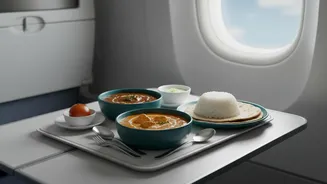







Why the Sudden Focus on In-Flight Meals?
Recent incidents have put airline food under the microscope. Complaints ranging from contaminated meals to poor hygiene have prompted India's food regulator to take decisive action. Previously, the oversight structure was seen as having gaps, leading
to concerns about the consistency of food safety standards across different airlines and catering services. In response to these issues and consumer grievances, the FSSAI convened meetings with major airlines and flight caterers to evaluate and strengthen existing protocols, ensuring that the food served to millions of passengers is safe and of high quality.
Introducing the Formal Oversight Chain
The FSSAI's new directive establishes a clearer, more structured system of accountability. The 'formal chain' involves specific licensing and compliance requirements for every entity in the airline food supply process. Flight kitchens, where the meals are prepared, must now be licensed specifically as 'Food Services (Caterer)'. Airlines themselves must also hold a head office FSSAI license with the same 'Caterer' endorsement. This ensures that both the producers of the food and the companies serving it are directly under the FSSAI's regulatory purview, closing previous loopholes where responsibilities were unclear. This streamlined approach is designed to make tracing food from source to passenger more effective.
From Kitchen to Cabin: What Changes?
The new guidelines are not just about licenses; they impact the entire process. A key focus is on transparency through better labelling. FSSAI has mandated strict compliance with its Labelling and Display Regulations, requiring detailed information on the nature, origin, and manufacturing details of all food served on flights. This empowers passengers to make informed choices. Furthermore, the FSSAI has stressed the need for specialized training for catering staff in food safety and hygiene. The regulator also urged caterers to establish robust systems for handling consumer complaints promptly, with clear corrective actions to prevent future incidents.
What This Means for Travellers
For the average passenger, these changes are designed to bring greater peace of mind. The primary goal is to ensure the meal you receive on your flight is safe, hygienic, and clearly labelled. With detailed information on menus and packaging, you will know more about what you are eating. The enhanced grievance mechanisms also mean that if something does go wrong, there is a more formal process for resolution and prevention. While these are largely back-end regulatory changes, the visible outcome for travellers should be a higher and more consistent standard of food quality and safety across all Indian airlines.
How Is the Industry Responding?
The airline and catering industries have been brought into the process through meetings with the FSSAI. The directives call for the industry to play a crucial role in ensuring passenger safety and satisfaction. While complying with the new regulations will require investment in training and potentially upgrading systems, the move is seen as a crucial step toward aligning with global best practices. By formalizing the oversight structure, the FSSAI is not just reacting to past incidents but creating a more resilient and trustworthy system for the future, aiming to boost passenger confidence in the entire airline catering ecosystem.